Sports
Running Injury? Just Roll with it.
Alison Meek, a D.C. resident who trains in Georgetown, shares her experience of becoming a long-distance runner. One mile at a time.
, the injuries just seem to keep on coming. I spent the bulk of my past Saturday in the urgent walk in clinic. Four hours, five x-rays and some strong prescribed medications later, it was determined that I was suffering from a severe sprain and inflammation of my right foot.
The exact cause or moment it happened is unclear, but I am guessing it is in strong correlation to the amount of training I have been doing and the amount of time spent on my feet in general. Long story short, I am on crutches and have a boot I hobble around the city on.
I feel as though I should be fine come race day as long as I take it easy these next
couple of weeks. Tapering for me may turn out to be more like sitting on the sidelines until March 20th and hoping I trained enough and can run some of it on adrenaline. It figures, just when clears up, I get thrown something else.
Since running is such a vigorous sport and your muscles and tendons will almost always suffer from some micro tears or inflammation post run, it is difficult to avoid injury completely, many have agreed with me on this point (I am not just a running klutz, promise). I have mentioned the importance of to strengthen the body as much as possible and of course , but I have recently discovered a new favorite toy that I cannot believe I
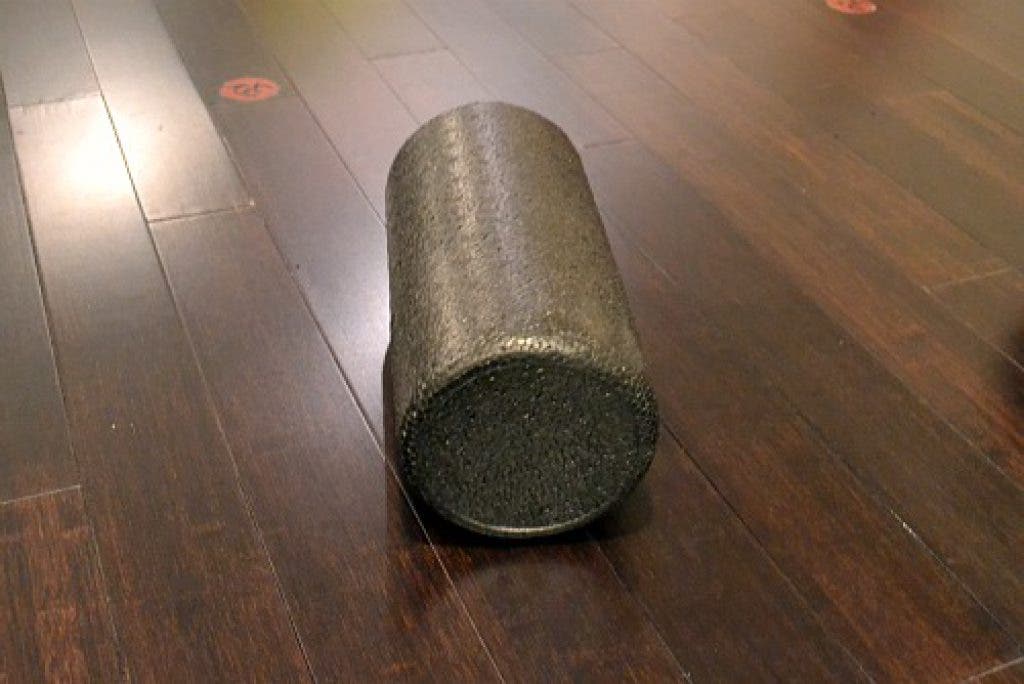
went so long without utilizing. Every endurance runner's best friend: the foam roller.
They are cylinder-shaped pieces of foam that are pretty firm. Foam rollers
can be purchased online or in most major sports retailers. I am even guilty of using a rolled, unused yoga mat at times. You can also find them on the fitness floor at your gym if you want to add it to your gym routine or try one out before
bringing it home.
Find out what's happening in Georgetownfor free with the latest updates from Patch.
Foam rolling is basically like giving yourself a deep tissue massage. You work different areas of your body looking for tense spots so that you can break up scar tissue which will increase mobility and decrease the potential for injury (and help heal current injuries).
While foam rolling I could benefit just about anyone for, it is something I believe should be part of every runner’s routine. It does wonders for the tightness that running can create in the legs, especially troublesome IT bands that cause hip and knee pain (that pesky runners knee).
The IT (Iliotibial) band is a tough group of fibers that run along the outside of the thigh, beginning at the hip and extending to the outer side of the shin bone, just below the knee joint. It acts as a primary stabilizer during running, easily becoming irritated with overuse. This is where the foam roller does wonders.
Lie sideways with the foam roller under the side of your thigh. Roll over the roller, from your knee up to your hip bone and back. Spend extra time on the more tender
areas you encounter. Use your top leg and foot against the ground to decrease the force if you cannot tolerate the pressure initially. After a few days of rolling, your IT Band will loosen up and you should be able to tolerate full pressure (feet together off the ground).
Ideally, I would say you should foam roll several times a week, more is better
here. Spend about 30 seconds in each area you are experiencing pain or tightness, including glutes, quads, calves, etc.
Find out what's happening in Georgetownfor free with the latest updates from Patch.
I want to point out that foam rolling will not always feel good and can even be a bit of a workout to roll yourself around like that and support your body weight. You will really feel it when you hit those tight spots
where scar tissue has built up. Just breathe through it and keep rolling.
At this point, I'll take a temporary discomfort and anything else that will help avoid an oncoming injury, especially two weeks away from race day. I am (rolling) all over it!