Community Corner
Watch for Fireballs in the Sky: Orionids Meteor Shower Peak 2014
If the weather cooperates, Georgetown could be in for quite a show.


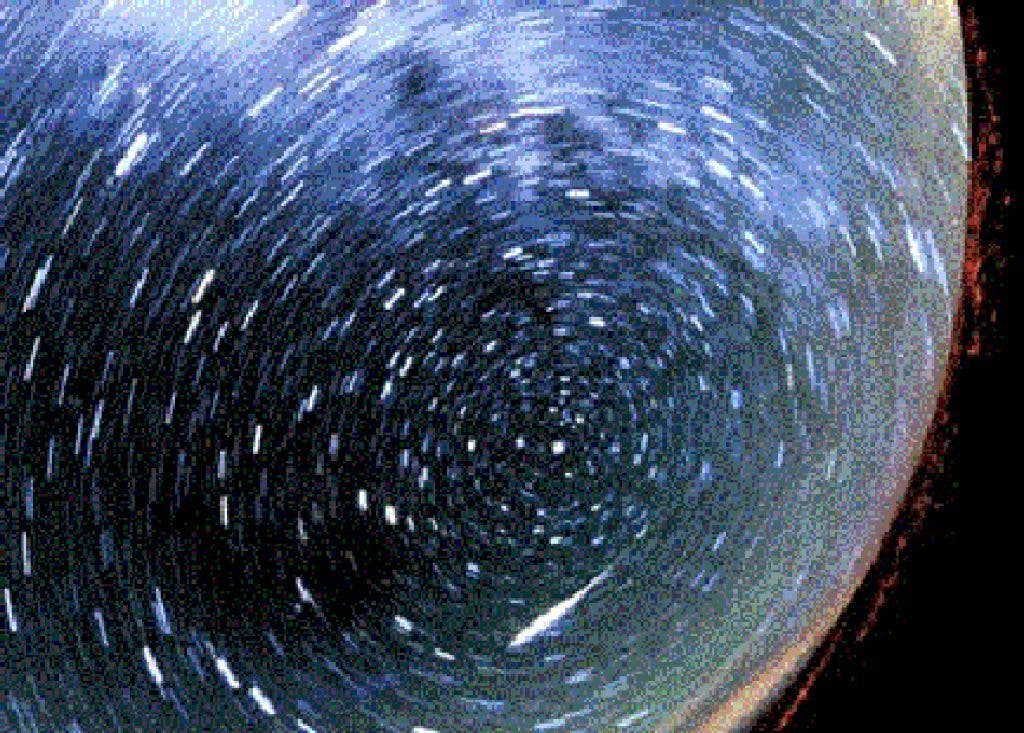
If you like a good meteor shower, give some thanks over the next few days to Halley’s Comet, which is about to produce the 2014 Orionids meteor shower peak.
On Tuesday, Oct. 21, Earth will pass through a stream of debris from Halley’s Comet, which should make visible up to 15 meteors an hour in the wee hours of the morning.
The Orionids meteor shower is a favorite: With the second-fastest entry velocity of all the annual meteor showers, meteors from the Orionids produce yellow and green colors and occasionally produce the odd fireball.
Find out what's happening in Georgetownfor free with the latest updates from Patch.
There’s no question about where to look for this one. Meteor showers get their names from the constellations in the sky where they can be spotted. And what’s easier to spot than Orion the Hunter?
The stars tend to shoot from Orion’s club, pierce Taurus the Bull, the Gemini twins, Leo the Lion and finally, Canis Major, home of Sirius, the brightest star we can see, aside from the sun.
Find out what's happening in Georgetownfor free with the latest updates from Patch.
The 2014 peak could be a great one because the moon won’t be around to wash out the show. But here’s the rub: clouds start rolling in Monday night. Keep your fingers crossed for a good show.
Get more local news delivered straight to your inbox. Sign up for free Patch newsletters and alerts.