Home & Garden
Affordable, Accessible Housing Unavailable to Spinal Cord Suffers
Wheelchair-Users Have Limited Options for Housing in DMV
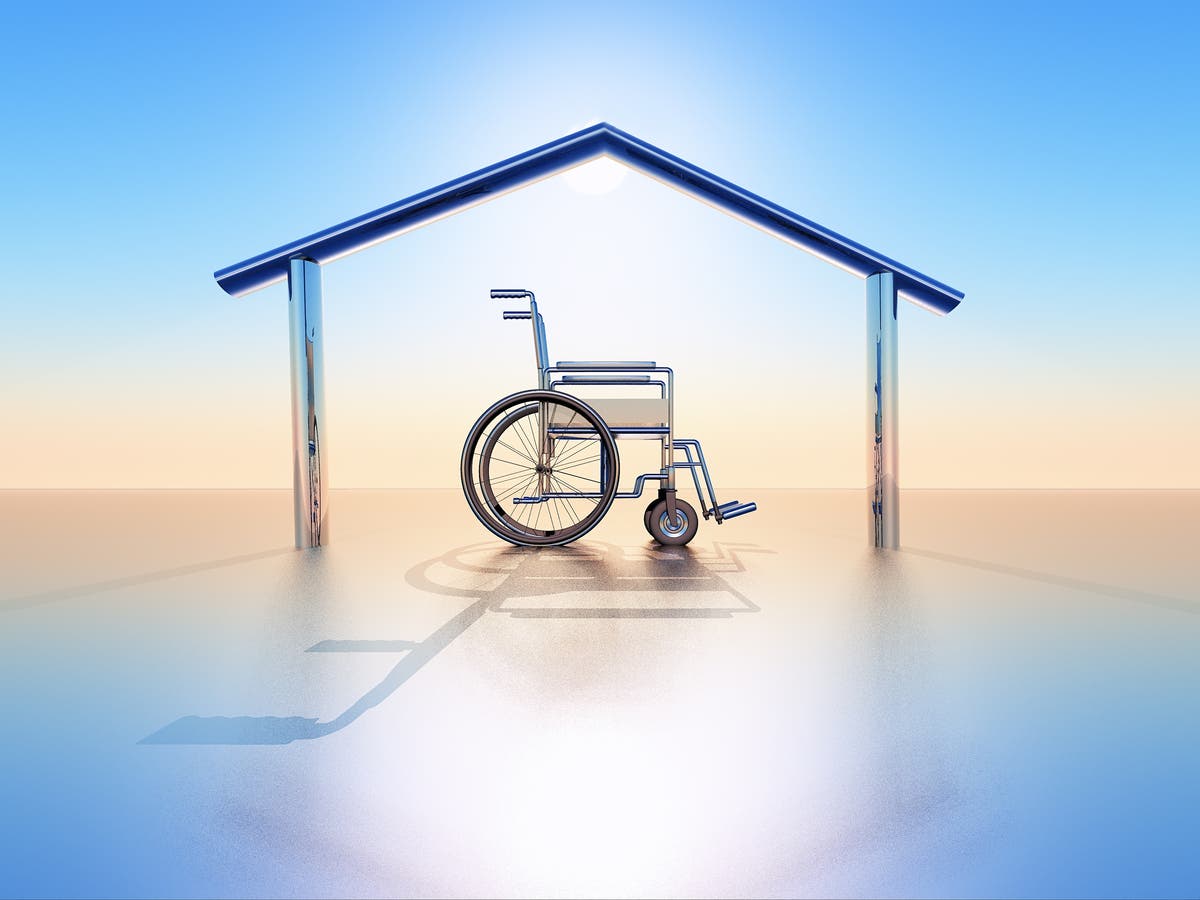
In September 2014, the U.S. Senate passed Resolution 533 which expressed support for spinal cord injury research and established September as National Spinal Cord Injury Awareness Month. I am one of the more than 288,000 people living in the U.S. with a spinal cord injury[1]and one of the 17.1 million people living in the U.S. with a mobility impairment
Seven years ago, I became a member of the disability community. On May 3, 2011, I went to bed as an “able-bodied” person. I woke up the next day as a victim of a natural gas explosion, fighting for my life. The explosion caused my complete T8 spinal cord injury, rendering me paralyzed.
Despite my numerous health issues, I am proud to be a member of this community with its vast array of accomplishments, hopes, and dreams. However, it did not take long for me to learn that one of our dreams - the dream of an affordable, accessible home - is often hopeless.
Find out what's happening in Washington DCfor free with the latest updates from Patch.
Until my traumatic accident, I never realized how difficult it is for persons with mobility impairments to find safe, accessible and affordable housing. Without a fully accessible home, a person with limited mobility may be unable to access essential rooms (e.g., bathroom, kitchen) and/or leave the home without assistance from others. Such lack of access prevents individuals from being able to live independently.
Accessible homes provide unique features such as lowered kitchen counters and sinks, roll-under stoves, widened doorways, wheel-in showers and raised electrical outlets. For people who use wheelchairs or other mobility devices, finding housing with basic accessibility features (e.g., an entrance with no steps) is almost impossible in older communities.
Find out what's happening in Washington DCfor free with the latest updates from Patch.
According to a 2015 HUD report, less than 1% of U.S. homes are wheelchair accessible and even fewer are both affordable and accessible. Millions of people are in need but remain on years-long waiting lists because there is a far greater need for affordable, accessible housing than there is supply. This lack of affordable, accessible homes has serious consequences for people with physical disabilities, including homelessness, deterioration of both physical and mental health, and isolation from our communities.
This is an untenable situation, and one that must be addressed by our legislators. A disability should not prevent a person from having a place to live that meets his/her basic needs. This crisis demands innovative and collective affordable accessible housing policies that improve the life of persons with disabilities.
In 2015, I launched my nonprofit organization, Disability Partnerships. This summer, we launched the Affordable Accessible Housing Now! campaign. The goal of this campaign is to both increase public awareness of the housing crisis facing individuals with physical disabilities and amplify the voices of those who need but do not have access to accessible homes.
Everything is more difficult with a physical disability, but finding a home in which one may live with dignity should not be impossible. Despite the Americans with Disabilities Act (which does little to address the issue of housing for people with disabilities), persons with physical disabilities are second-class citizens in our society today. The shortage of affordable, accessible housing is evidence of this appalling situation.
Please take a moment to acknowledge and support National Spinal Cord Injury Awareness month. When you do, consider making a commitment to improving the quality of life for persons with physical disabilities by donating to organizations committed to our cause and by contacting your legislators and letting them know how you feel about the lack of affordable, accessible housing for people with mobility impairments.
Disability is the great equalizer. People with disabilities are members of the largest and fastest-growing minority group. Any of us can become a member of this group at any time. I am a living example of this truth. For more information about my organization and how you can help please access our website at www.disabilitypartnerships.org
[1]National Spinal Cord Injury Statistical Center (https://www.nscisc.uab.edu/)