Community Corner
Commuter Warning: Snow May Cause Traffic Snarls Wednesday In DC
The rush hour commute may be plagued by icy, snow-covered roads in our area, so be prepared.


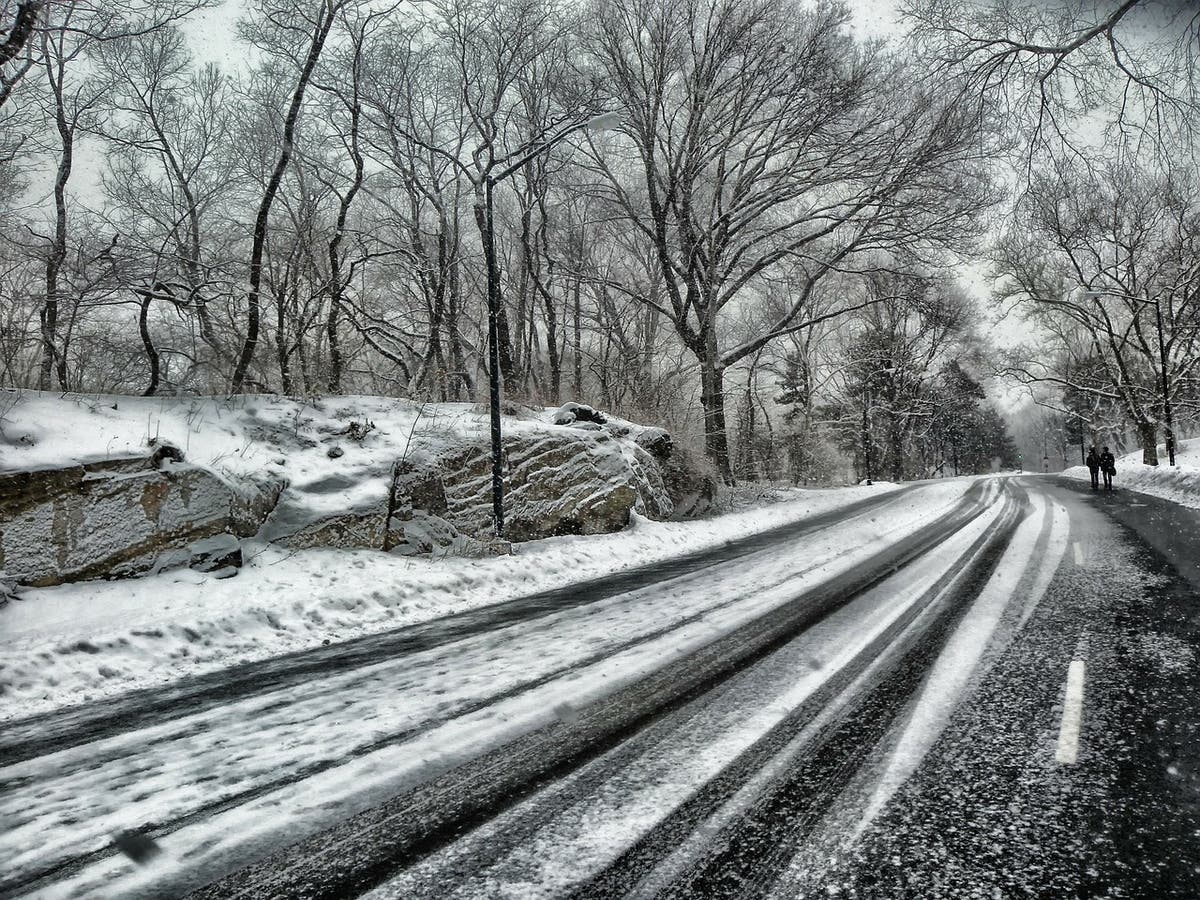
The National Weather Service is warning areas including D.C. that light snow may cause problems for commuters on area roads during or shortly after rush hour.
"Light snow may reach as far south as Washington DC this evening as a clipper crosses the region, NWS DC/Baltimore tweeted at 2:16 p.m. "Motorists should be prepared for roads which could quickly become coated with snow. Snow may start during the evening rush in western areas, and just after rush hour in the metro."
More than likely, if we do see snow, it will probably only be light accumulation. However, even a dusting can create dangerous road conditions, so be careful on your way home from work Wednesday.
Find out what's happening in Washington DCfor free with the latest updates from Patch.
"Light snow showers (with potential large impact due to sub-freezing roads) are POSSIBLE between 7pm and 4am tonight," reads an alert from AccuWeather. "There is a 40 percent chance for Washington, and a 60 percent chance for Baltimore. If there is accumulation, it is expected to be less than an inch. If this threat of light snow on frigid roads does materialize overnight, the Thursday morning rush-hour could quickly turn icy on untreated roads. This could lead to hazardous traveling conditions, multiple accidents, and extensive delays."
AAA offers the following tips for driving in the snow:
Find out what's happening in Washington DCfor free with the latest updates from Patch.
- Accelerate and decelerate slowly. Applying the gas slowly to accelerate is the best method for regaining traction and avoiding skids. Don’t try to get moving in a hurry. And take time to slow down for a stoplight. Remember: It takes longer to slow down on icy roads.
- Drive slowly. Everything takes longer on snow-covered roads. Accelerating, stopping, turning – nothing happens as quickly as on dry pavement. Give yourself time to maneuver by driving slowly.
- The normal dry pavement following distance of three to four seconds should be increased to eight to ten seconds. This increased margin of safety will provide the longer distance needed if you have to stop.
- Know your brakes. Whether you have antilock brakes or not, the best way to stop is threshold breaking. Keep the heel of your foot on the floor and use the ball of your foot to apply firm, steady pressure on the brake pedal.
- Don’t stop if you can avoid it. There’s a big difference in the amount of inertia it takes to start moving from a full stop versus how much it takes to get moving while still rolling. If you can slow down enough to keep rolling until a traffic light changes, do it.
- Don’t power up hills. Applying extra gas on snow-covered roads just starts your wheels spinning. Try to get a little inertia going before you reach the hill and let that inertia carry you to the top. As you reach the crest of the hill, reduce your speed and proceed down hill as slowly as possible.
- Don’t stop going up a hill. There’s nothing worse than trying to get moving up a hill on an icy road. Get some inertia going on a flat roadway before you take on the hill.
- Stay home. If you really don’t have to go out, don’t. Even if you can drive well in the snow, not everyone else can. Don’t tempt fate: If you don’t have somewhere you have to be, watch the snow from indoors.
Image via Pixabay
Get more local news delivered straight to your inbox. Sign up for free Patch newsletters and alerts.