Community Corner
Giant Panda Mei Xiang's Baby Watch Begins
The National Zoo's giant female panda Mei Xiang may become pregnant again soon after an artificial insemination procedure.


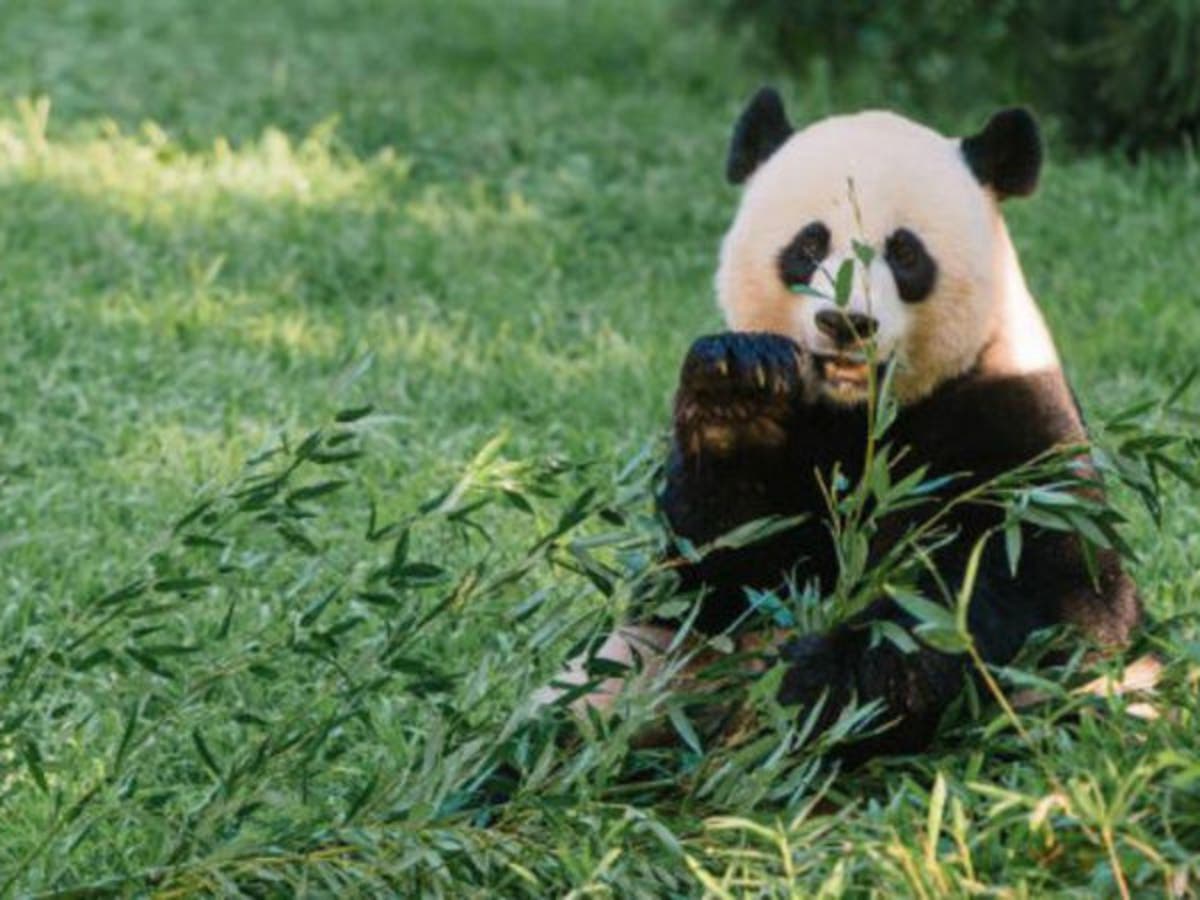
WASHINGTON, DC — The National Zoo's beloved giant panda, Mei Xiang, may become pregnant again soon, as reproductive scientists, vets and panda keepers performed two artificial inseminations on her this week.
Mei Xiang, the 18-year-old mom to three, has been showing behavioral and physical signs of being in heat, and zookeepers are preparing for the brief window she has to become pregnant. Although zoo staff were hoping to opt for a more natural conception, Mei Xiang and the male panda Tian Tian's timing was incompatible.
The National Zoo staff decided to artificially inseminate Mei Xiang with Tian Tian's seme at 2 p.m. and then again at 11:30 p.m. Thursday. Li Rengui from the China Conservation and Research Center for the Giant Panda was at the Zoo for the procedures, along with The Smithsonian’s National Zoo and Conservation Biology Institute’s team.
Find out what's happening in Washington DCfor free with the latest updates from Patch.
See Related: National Zoo's Giant Panda Mei Xiang In Heat, May Breed Soon
Giant panda pregnancies and pseudopregnancies generally last between three and six months. Zoo veterinarians will conduct ultrasounds to track changes in Mei Xiang's reproductive tract and monitor her hormones to determine if she is pregnant during the next several months.
Find out what's happening in Washington DCfor free with the latest updates from Patch.
There is no way to determine if a female panda is pregnant from hormone analysis and behavior alone. Mei Xiang’s hormones and behavior will mimic a pregnancy even if she is pseudopregnant. The only definitive way to determine if she is pregnant is to see a developing fetus on an ultrasound.
Mei Xiang has produced three surviving cubs — Tai Shan, born in July 2005; Bao Bao, born in August 2013 and Bei Bei, born in August 2015. Zookeepers said Mei Xiang went into heat a little later than usual this year, so if she were to become pregnant her offspring would most likely be born around the end of September.
Photo: Smithsonian's National Zoo & Conservation Biology Institute
Get more local news delivered straight to your inbox. Sign up for free Patch newsletters and alerts.