Neighbor News
Indoor Air Quality And Air pollution in home or office
The impact of the indoor air pollution and also the importance of indoor better air quality have always been under estimated

The relationship between indoor air quality and health is a complex one, with the first directly affecting the second. The quality of the air you breathe indoors can have many different effects on your health. That's why better air quality inside your home or office can improve your health significantly.
Indoor air that contains harmful particulates or even moderate levels of air pollution can cause numerous health problems, some of which occur soon after exposure and others that do not present themselves until years after the exposure has taken place.
What Causes Poor Indoor Air Quality?
Find out what's happening in Washington DCfor free with the latest updates from Patch.
The primary cause of poor indoor air quality is sources of indoor pollution that release particles, gases, or toxins into the air. Ventilation that is inadequate can compound the problem by trapping the pollutants within the interior air and failing to dilute the emissions with fresh air. If the temperature level or humidity level is high, it can cause an increase in the concentration of certain pollutants.
What Are the Effects of Poor Indoor Air Quality?
Find out what's happening in Washington DCfor free with the latest updates from Patch.
Health issues related to poor indoor air quality may appear soon after exposure or years later, depending on the types of contaminants the person is exposed to and the quantity that are inhaled.
The immediate effects of breathing poor quality air indoors include headaches, dizziness, fatigue, and irritation of the eyes, nose and throat. These effects are generally short term and will disappear as air quality is improved, typically by increasing ventilation and using high-quality air filters to remove contaminates from the air.
Poor interior quality of air can also exacerbate the symptoms of some common health problems, including asthma and hypersensitivity pneumonitis, causing the affected person's condition to deteriorate soon after exposure. In many cases, the person's condition will improve once the person's exposure to the source of the indoor air pollution is eliminated.
Poor air quality indoors can also result in long-term health problems, with symptoms often showing up years after long or repeated periods of exposure to harmful air pollutants. Many of the long-term health effects related to poor indoor air quality can be severely debilitating or even fatal, including heart disease, some respiratory diseases, and various types of cancers.
Take Steps to Improve Indoor Air Quality

Different people react differently to exposure to indoor airborne pollutants, so it is best to try to improve the overall quality of air to prevent anyone from being affected by harmful contaminants in the air. Identifying the source of the air contamination, hiring a professional to identify and remediate molds and other pollutants, consulting your doctor and choosing an air conditioner filter that is capable of removing contaminants from the air will help ensure that the person will not continue to experience adverse health effects due to indoor pollutants in the air.
Indoor better air quality has been a long-neglected issue. This is an issue that is swept under the carpet until somebody falls seriously sick because of it, and it could affect the whole work force, if it is the air inside the workplace that is polluted.
Most of us are quite comfortable staying, working and sleeping in an air-conditioned room. Little did we know that besides us, there are millions and billions of tiny little microorganisms that are also sharing the same indoor environment with us.
Just because we cannot see them with our naked eyes, it does not mean that they are not there.
Your office, workplace, meeting room or even your home may be equipped with the latest air-conditioners, but are you aware of how often these air-conditioners are being serviced or checked, if at all? Dirt, dust and billions of bacteria and viruses could be trapped (for example, in the air-conditioner vents) and redistributed in the same indoor atmosphere, posing to be a risk to the health of the occupants in the home or office.
Poorly maintained machinery or equipment is a common source of indoor air pollution and threatening the safety of the air that we breathe. Studies have shown that exposure to indoor air pollution can lead to acute lower respiratory infections in children under five, and chronic obstructive pulmonary disease and even lung cancer in adults.
Daily indoor activities such as cooking and heating with biomass fuels, such as straw, wood, agricultural residues, or coal, produces high levels of indoor smoke and gaseous that contain a variety of health-damaging pollutants.
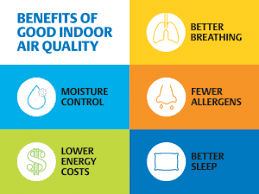
The impact of the indoor air pollution and also the importance of indoor better air quality have always been under estimated by vast majority of us and the lack of awareness among the public needs to be addressed to combat this increasingly alarming issue.
Get your FREE Report on the " better air quality in Your Home", and find out how a good indoor air purifier can destroy deadly viruses (including H1N1), bacteria and clean other pollutants that can cause diseases in your home and workplace.