Neighbor News
Big Lick Animal Cruelty: ‘The Gloves Are Off Now’
Sports Illustrated's 1960 Account of the Battle to End Horse Torture Reads the Same as Today's Accounts of Current 'Soring' Events

“The gloves are off now,” wrote horseman John Amos in May 1960. “We plan a rough-handed campaign against soring. Our changed bylaws give us the authority to act and punish. And we will.”
Amos was the right guy to announce that kind of campaign. He was chairman of the executive committee at the Tennessee Walking Horse Breeders’ & Exhibitors’ Association (TWHBEA, then known as TWHBA, less “exhibitors”), the breed registry founded in Lewisburg, Tennessee in 1935, and a stalwart in the industry.
But his aspirations were dashed. Sports Illustrated’s account of the meeting says a group of trainers led by the legendary rogue World Grand Champion trainer Vic Thompson opposed the efforts to end soring. It was such an explosive subject within the fraternity that fists started flying and violence erupted. Tom Fulton, the executive secretary of the TWHBEA, clipped W. O. Crawford, a former candidate for the presidency of the organization, on the head and knocked him down.
Find out what's happening in Washington DCfor free with the latest updates from Patch.
For the next ten years, soring persisted, and the industry leaders didn’t have the power or the will to crack down on the practice. But outsiders started to take notice. Congress passed the Horse Protection Act of 1970, led by my late friend, U.S. Senator Joseph D. Tydings, D-Md., and supported by Senator Howard Baker, R-Tenn. That bill was written to clean up the sport and stop the animal cruelty. But that plan didn’t work out as its architects wished. The industry defied the regulators, found ways to hide the practice, and went on abusing horses.
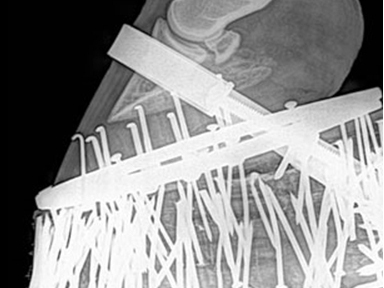
Soring has been a multi-generational curse upon the Tennessee Walking Horse. It’s the painful practice of applying caustic chemicals such as diesel fuel, kerosene, and mustard oil to horses' front feet or inserting sharp objects to induce a pain-based exaggerated high-stepping gait known as the “big lick.”
Find out what's happening in Washington DCfor free with the latest updates from Patch.
SI’s account retrieved from their vault doesn’t sound much different than my own personal experiences in the walking horse industry more than half a century later when I joined other TWHBEA leaders and publicly spoke up and voted to support the Prevent All Soring Tactics (PAST) Act – as the immediate past President of TWHBEA in May of 2013 – which was designed to upgrade and give teeth to the original 1970 law.
The PAST Act had been introduced by Congressmen from Tennessee and Kentucky, and with that sort of regional support, I believed it had a shot. Yet one more time, those plans were thwarted by others within the industry who had the ear of powerful lawmakers representing Kentucky and Tennessee intent on defending the status quo.
Blocking the PAST Act was just the start. They also wanted to smear the insider voices like mine who dared to confront the cruelty.
I had agreed to testify before Congress in support of the PAST Act and the death threats started rolling in. The decision to confront the corruption in a very public way, as a long-time presence within the industry, triggered a series of personal misfortunes that turned my life upside down: my divorce, bankruptcy, and departure from Tennessee for my own personal safety and sanity.
On the upside, there were encouraging words from strangers, horse lovers, animal protection advocates all around the globe, and from a select few from within the industry that had also tried to end soring, speak out publicly, and had paid a high personal price as well.
“I have known for some time that anyone who sits in the President’s seat and truly tries to do what is in the best interest of TWHBEA will eventually recognize what must be done to protect the future of TWHBEA, its members, and the horse,” former TWHBEA president Jerrold Pedigo wrote in a communique to me. “Whether or not they have the guts to try and do anything or simply keep the seat warm is another question.”
“The walking horse industry will one day return to what made it great: natural, flat-shod, and smooth gaited horses,” publicly declared Clay Harlin, a past vice-president of TWHBEA and member of the famed family owners of Harlinsdale Farm, and the legendary Midnight Sun – a name you’ll find on nearly every living Tennessee Walking Horses’ pedigree today. “I am grateful for a new generation of leaders who care about the breed and not their own selfish interest. There is hope for the Tennessee Walking Horse.”
Eight years have now passed since our efforts to pass the PAST Act began, and the pro-soring coalition has continued its defensive maneuvers, including continued financial support for key lawmakers with the power to stymie progress on the issue. While I disagree with them, I am astounded by their ability to secure support from Tennessee and Kentucky lawmakers even though the vast majority of their constituents loathe this kind of cruelty to horses. It’s no accident that the appalling practice of soring has persisted now for more than six decades.
In seeking to ban large stacked shoes and ankle chains (that are used to exacerbate pain) and to establish felony-level penalties for violators, PAST was a much-needed reform. But it has failed to clear both the House and Senate time and again, and even after we renamed the bill in honor of the Horse Protection Act’s original author – the U.S. Senator Joseph D. Tydings Memorial Prevent All Soring Tactics Act. After seven years of trying – including a winning vote in the House in 2019 - we recognize that the measure remains dead on arrival in the U.S. Senate, and will stay buried six feet under thousands of other bills that have met the same fate. It’s unfortunate, but it’s a fact of life.
But that doesn’t mean reform is dead. As this is the second part of this series on the issue of soring, there will be more next week about our plan to find a way to secure reform. We are committed to ending soring, and we are committed to finding that pathway and taking a big, giant, humane step forward. Until next week, please keep this issue front of mind and take action to help by contacting the USDA here and asking them to crack down on this abuse.
Marty Irby is a former 8-time world champion equestrian, and past president of the Tennessee Walking Horse Breeders’ & Exhibitors’ Association who currently serves as executive director at Animal Wellness Action in Washington, D.C., and was recently honored by Her Majesty, Queen Elizabeth, II for his work to end soring. Follow him on Twitter, Instagram, and Facebook @MartyIrby.