Health & Fitness
Florida Promises ‘Aggressive Mosquito Control Efforts’
The Florida Department of Agriculture and Consumer Services has announced a concentrated effort to combat locally transmitted Zika virus.


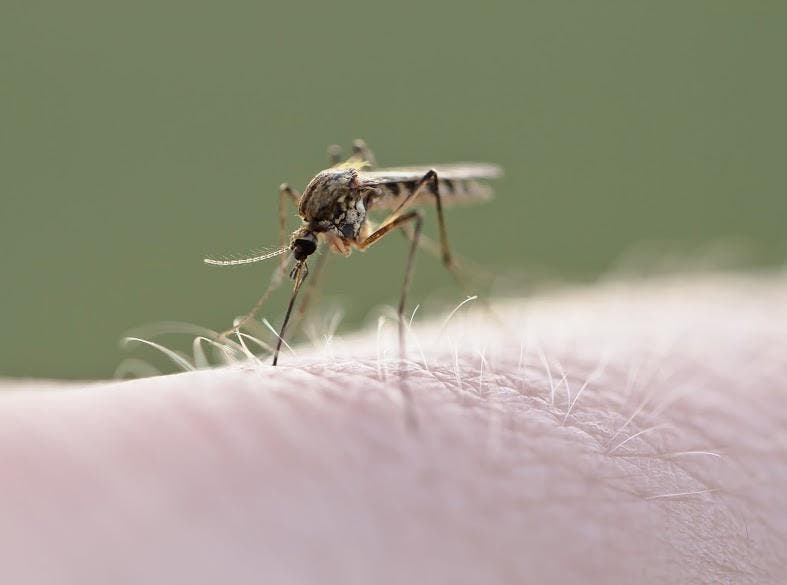
TALLAHASSEE, FL — On the heels of the confirmation of the country’s first four locally acquired, mosquito-transmitted Zika virus cases in Miami-Dade and Broward counties, the Florida Department of Agriculture and Consumer Services issued a declaration paving the way for “aggressive mosquito control efforts” in affected areas.
The declaration enables concentrated mosquito spraying within a 200-yard radius around a “locally acquired case patient’s home.” The Florida Department of Health on Friday confirmed two locally acquired Zika virus cases in Broward and two in Miami-Dade.
Zika virus is a mosquito-borne illness that is characterized by a fever, rash and joint pain. While the illness typically resolves within a week, some severe cases may require hospitalization.
Find out what's happening in Bradentonfor free with the latest updates from Patch.
The CDC has confirmed that the Zika virus is responsible for causing severe defects in unborn children, including microcephaly, which leaves babies with abnormally small heads and often with brains that do not develop properly.
See also:
Find out what's happening in Bradentonfor free with the latest updates from Patch.
- New Fears For Pregnant Women As U.S. Mosquitoes Transmit Zika Virus For First Time
- Zika Virus in Florida: March of Dimes Offers Advice, Warnings for Pregnant Women
- Florida Zika Virus Update: Non-Travel-Related Case Under Investigation
- 1st Baby Born With Zika Virus-Related Defect Born In Florida
- Zika Virus in Florida: What Pregnant Women Need to Know
- CDC Records First Female-to-Male Zika Virus Transmission
Aside from mosquitoes, Zika can be spread through sexual contact in some cases, the CDC notes. One of the confirmed cases in Polk County originated through sexual contact, the state of Florida reported. The patient in the case contracted the virus while traveling outside of the country.
The CDC recommends women who are pregnant or are considering becoming pregnant postpone travel to areas where there is widespread Zika infection.
“Florida’s small case cluster is not considered widespread transmission,” the FDOH said Friday.
The state’s department of agriculture has been supporting statewide mosquito control efforts since the Zika virus first became a concern in Florida earlier this year. Preventing Florida’s small case cluster from spreading is now the top concern, Commissioner of Agriculture Adam Putnam said Friday.
“We will continue to proactively work with federal, state and local officials to protect Floridians and visitors from Zika,” Putnam said in a statement. “Floridians can do their part by draining standing water surrounding their homes, as it can serve as breeding grounds for the mosquitoes that are capable of transmitting the virus.”
News of the country’s first four locally transmitted cases has also raised concerns in the healthcare community, especially in regard to the safety of pregnant women and their unborn children.
“This is the news we’ve been dreading,” said Dr. Edward R.B. McCabe, senior vice president and chief medical officer of the March of Dimes, after Friday's news out of Florida broke. “It’s only a matter of time before babies are born with microcephaly, a severe brain defect, due to local transmission of Zika in the continental U.S."
The CDC has offered the following tips to stay safe from Zika virus:
- Protect yourself from mosquito bites by wearing insect repellent or long sleeves when going outside.
- If you are pregnant, absolutely avoid travel to countries with active Zika transmission. You can view a list of those countries here (http://www.cdc.gov/zika/geo/active-countries.html)
- If you are traveling to any of those countries, take extra precaution to protect yourself from mosquitoes when overseas.
- Wear condoms during sex or avoid sex all together if your partner has traveled to a country with active Zika transmission.
More information about the Zika virus is also available on FDOH’s website.
To field questions about the virus and its spread, the state has set up a Zika Virus Information Hotline at 1-855-622-6735. The hotline has handled more than 2,421 calls since it was launched Feb. 12, the state reported.
Florida has confirmed 386 travel-related cases of Zika virus to date, meaning those sickened contracted the virus while traveling outside of the state. More than 20 of those cases have involved residents in Tampa Bay area counties.
To read Putnam’s full declaration, visit the department of agriculture online.
Image via Shutterstock
Get more local news delivered straight to your inbox. Sign up for free Patch newsletters and alerts.