Schools
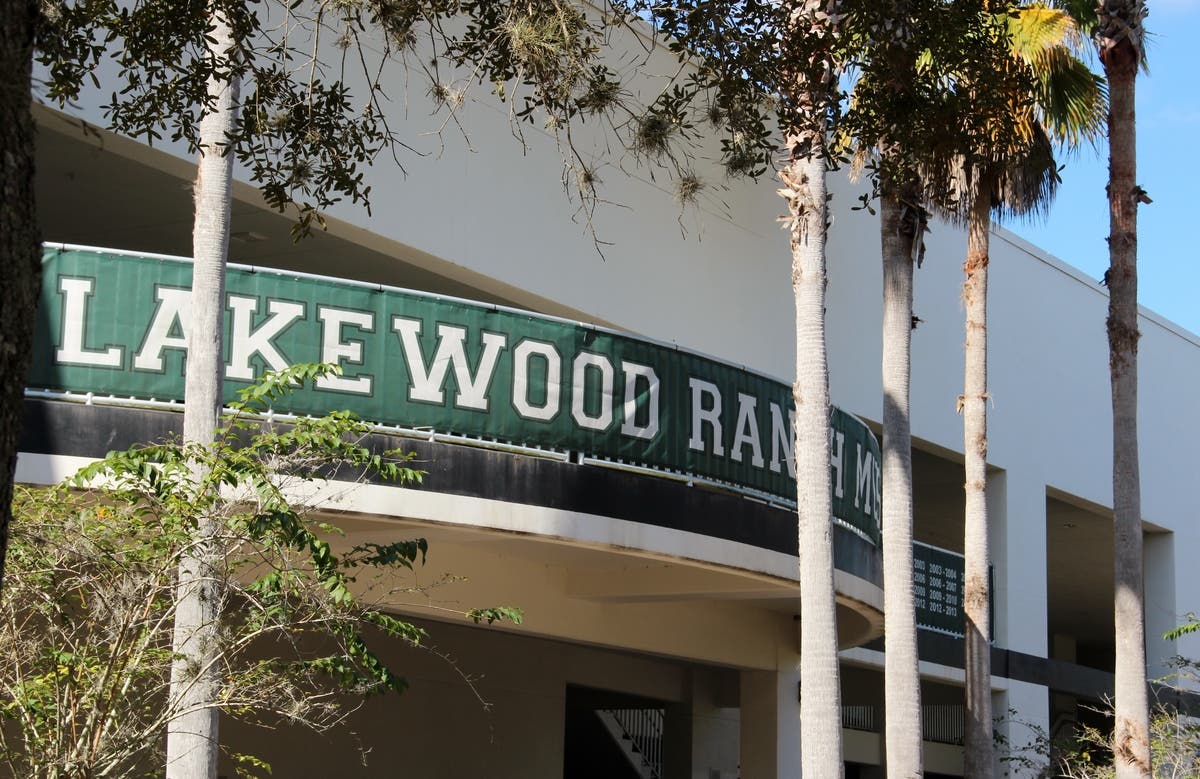
Lakewood Ranch High recognizes Hispanic Heritage Month
Mustangs appreciate the contributions of Hispanics to American culture
Manoela Dos Santos – Mustangs Ahead
(LAKEWOOD RANCH, FL) – Each year, Americans observe National Hispanic Heritage Month by celebrating the histories, cultures, and contributions of American citizens with ancestors that came from Spain, the Caribbean and Central and South America.
The observation of a Hispanic Heritage week began in 1968 under President Lyndon Johnson. In 1988, President Ronald Reagan expanded the week-long observation into a 30-day period starting Sept. 15 to Oct. 15.
Find out what's happening in Bradentonfor free with the latest updates from Patch.
The celebration starts in the middle of the month because the 15th marks the independence days of five Latin American countries: Costa Rica, El Salvador, Guatemala, Honduras and Nicaragua.
“To me being Hispanic means being able to immerse myself in two different cultures,” said Lakewood Ranch High School (LRHS) sophomore Claudia Estevez. She also shares that being Hispanic has made her appreciate diversity.
Find out what's happening in Bradentonfor free with the latest updates from Patch.
Today Cubans comprise over half of the population in a Miami, 54 percent. But LRHS Spanish teacher Lillian Martinez said she was one of the few Cubans growing up in the 1950s before the influx of Cubans into the country.
Martinez described what she felt like being a Cuban in America, “you are in two different worlds, sometimes they are completely independent from each other but sometimes they mesh.”
LRHS demographic records report 353 Mustangs claim Hispanic or Latino heritage. That represents just over 14 percent of the student population.
According to the PEW Research Center Hispanics, there were 57 million Hispanic in America, making up a fifth of the population. They are the second fastest growing racial group behind Asians.
The Hispanic influence can be felt everywhere in the country from the names of cities and states to the food we eat.
Hispanic and Latin cuisine are very popular in the U.S. Tortilla chips and salsa are so popular that they are now one of the highest selling snack foods in the U.S.
American media and entertainment have also, been highly influenced. “Numerous Hispanic and Latin American musicians have achieved international fame such as Jennifer Lopez, Christina Aguilera, and Selena,” states non-profit cultural exchange program InterExchange.
Many Latin songs are dominating the charts. Spotify’s head of Latin Culture, Rocio Guerrero announced, “For the first time ever we have seven Latin songs on Spotify’s global chart, including both the original and remix of “Despacito”, this summer’s undisputed anthem.”
Hispanics grew by an average of more than 5% annually throughout the 1970s to 1990s, driving much of the population growth in the country. In 2007 the growth started falling, and in 2014 it hit a record- low of 2.4% annual rate.
The slowing of Hispanic population growth is occurring as immigration to the U.S. from Mexico levels off and the fertility rate among Hispanic women declines.
Stay updated on important LRHS news and share what you like by following our Twitter @LRHSNews1, Instagram @mustangs_ahead, and Soundcloud @Mustangs Ahead Podcasts.