Community Corner
Can You Tighten a Sagging Neck or Jawline Without Surgery? What Brandon Patients Should Know About Ultherapy
Ultherapy helps patients stimulate collagen and gradually lift and tighten mild-to-moderate skin laxity without incisions or major downtime.
This is a paid post contributed by a Patch Community Partner. The views expressed in this post are the author's own, and the information presented has not been verified by Patch.
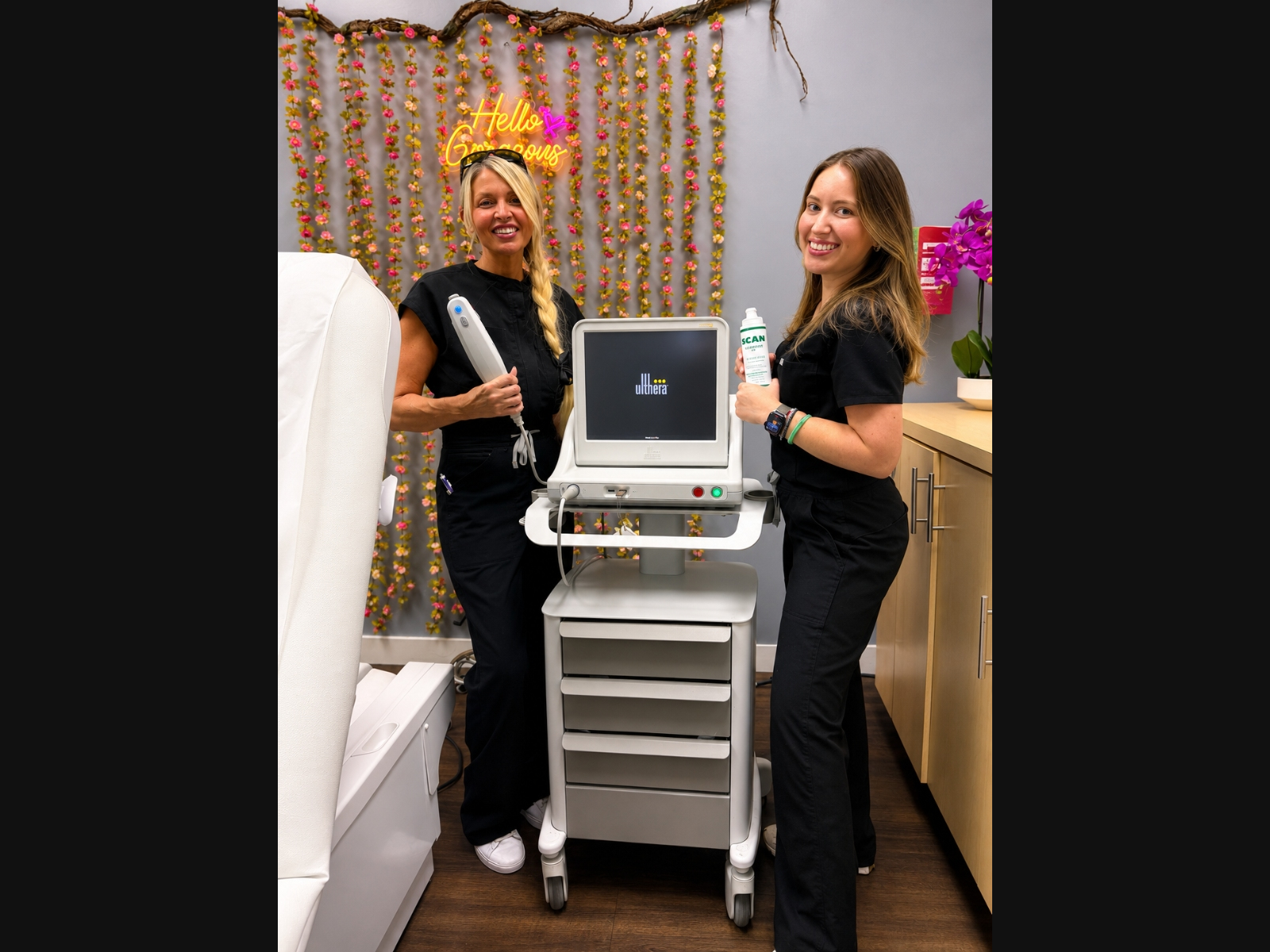
Can you tighten a sagging neck or soften the appearance of a less-defined jawline without surgery? For the right patient, Ultherapy may help. Refresh - Aesthetics & Wellness in Brandon uses focused ultrasound energy to stimulate new collagen beneath the skin, creating gradual lifting and tightening without surgery or significant downtime.
Learn more about Ultherapy here!
Ultherapy uses focused ultrasound energy to stimulate the body's natural collagen production. Refresh explains what Brandon patients should know about non-surgical tightening for the brow, under the chin and neck before choosing treatment.
For patients beginning to notice loose skin around the lower face, one question comes up frequently:
Can I tighten my neck or jawline without getting a facelift?
For some patients, the answer may be yes.
Not everyone experiencing early skin laxity needs—or wants—surgery. Patients with mild-to-moderate looseness under the chin or along the neck may be candidates for a non-invasive treatment designed to stimulate their own collagen.
At Refresh - Aesthetics & Wellness in Brandon, Ultherapy® uses micro-focused ultrasound energy to target deeper structural layers beneath the skin without incisions.
Instead of adding volume or physically removing excess skin, Ultherapy works by stimulating a gradual collagen-remodeling process.
.png)
What Is Ultherapy?
Ultherapy is an FDA-cleared, non-invasive ultrasound treatment designed to lift and tighten specific areas of the face and body.
The technology uses micro-focused ultrasound with visualization, allowing the provider to see the tissue layers being treated and deliver energy at targeted depths beneath the skin.
That energy triggers the body's natural healing response and encourages new collagen production.
Over the following months, the treated area can gradually become firmer and more lifted.
Ultherapy is FDA-cleared to:
- Lift the eyebrow
- Lift and tighten skin under the chin
- Lift and tighten the neck
- Improve lines and wrinkles on the décolletage
For patients concerned about early lower-face aging, treating laxity under the chin and neck may also help create a more defined overall transition into the jawline.
Why Does the Neck and Jawline Start to Look Loose?
A softer jawline or looser-looking neck is not always caused by weight gain.
Several factors can contribute, including:
- Natural collagen loss
- Elastin loss
- Aging
- Genetics
- Sun exposure
- Changes in facial structure
- Weight fluctuations
- Skin becoming thinner over time
Collagen provides much of the structural support that keeps younger skin looking firm.
As collagen production declines, the skin may begin to look less tight around the lower face and neck.
Patients may notice that their jawline no longer looks as defined from the side or that the skin underneath the chin appears softer than it did several years ago.
How Does Ultherapy Tighten Skin?
Ultherapy does not remove skin.
Instead, it delivers controlled ultrasound energy beneath the surface to stimulate the body's collagen-building response.
The surface of the skin remains intact while energy is delivered into deeper tissue layers.
Over time, new collagen helps provide additional support to the treated area.
This is why Ultherapy results are gradual rather than immediate.
Patients are not walking out of the office with surgically tightened skin.
The appearance develops progressively as the body creates and remodels collagen.
Is Ultherapy the Same as a Facelift?
No.
This is one of the most important distinctions for patients to understand.
A surgical facelift can physically reposition deeper facial tissues and remove excess skin.
Ultherapy cannot do that.
Ultherapy is intended for patients with mild-to-moderate skin laxity who want improvement without surgery.
Someone with significant hanging or excess skin may not achieve the result they want with a non-surgical treatment alone.
The goal is not to pretend that a device can replace surgery.
The goal is to determine whether the patient's degree of laxity can realistically respond to a collagen-stimulating treatment.
Who Is a Good Candidate for Ultherapy?
Ultherapy may appeal to someone beginning to notice changes such as:
- Mild looseness beneath the chin
- Early neck laxity
- A softer-looking lower facial contour
- A brow that appears lower than it once did
- Crepey lines on the décolletage
- Gradual loss of skin firmness
Patients who want subtle improvement without incisions or significant recovery may find the treatment particularly appealing.
However, candidacy depends on more than age.
Two patients of the same age may have very different skin quality, collagen levels and degrees of laxity.
That is why treatment begins with an individual evaluation.
Can Ultherapy Help Define the Jawline?
Ultherapy is specifically cleared to lift and tighten under the chin and along the neck.
When laxity in those areas contributes to a softer lower-face appearance, improving that skin support may create a cleaner and more defined-looking transition around the jawline.
However, not every poorly defined jawline is caused by loose skin.
Other factors may include:
- Facial structure
- Chin projection
- Fat beneath the chin
- Volume changes
- Muscle anatomy
If laxity is not the primary problem, simply tightening the skin may not create the result the patient expects.
A provider should first determine what is actually contributing to the patient's concern.
How Quickly Will I See Ultherapy Results?
Ultherapy is not designed to produce an artificial overnight transformation.
Some patients may notice subtle initial tightening, but the main results develop as collagen is produced over time.
Refresh notes that lifting and tightening generally develop gradually over approximately two to six months.
This delayed improvement makes sense because the treatment relies on the patient's own biological collagen-building process.
The skin continues changing after the appointment rather than reaching its final result immediately.
How Many Ultherapy Treatments Do I Need?
Unlike many aesthetic treatments that are routinely performed as a series, most appropriately selected Ultherapy patients may achieve meaningful improvement from one session per treatment area.
That does not mean everyone will only ever need one treatment.
Individual results vary, and some patients may choose an additional treatment or future maintenance session as the natural aging process continues.
The recommended plan depends on:
- Degree of skin laxity
- Treatment area
- Skin quality
- Age
- Collagen response
- Desired result
- Previous aesthetic treatments
A personalized evaluation helps determine what is realistic for each patient.
How Long Do Ultherapy Results Last?
Ultherapy does not stop the aging process.
The new collagen produced after treatment can provide lasting improvement, but skin will continue to age naturally.
Results may last a year or longer for some patients, although longevity varies considerably from person to person.
Factors such as genetics, age, sun exposure, lifestyle and individual collagen production may influence how long the improvement remains noticeable.
Some patients eventually choose a maintenance treatment to support their results over time.
Is There Downtime After Ultherapy?
One of the biggest reasons patients consider Ultherapy is the minimal disruption to everyday life.
There is generally little to no downtime.
Some patients may experience temporary:
- Redness
- Mild swelling
- Tenderness
- Tingling
- Sensitivity
Most patients can return to their normal activities shortly after the appointment.
That makes Ultherapy particularly attractive to patients who want skin tightening but cannot accommodate the recovery associated with surgery or more aggressive procedures.
What Does Ultherapy Feel Like?
Patients commonly describe sensations of warmth or tingling as the ultrasound energy is delivered.
Comfort varies depending on the individual and the area being treated.
The provider can adjust treatment settings and pacing to help keep the experience manageable.
Treatment typically takes approximately 30 to 90 minutes, depending on which areas are being addressed.
Does Ultherapy Melt Facial Fat?
Ultherapy is not a fat-reduction procedure.
Its primary purpose is collagen stimulation and lifting or tightening appropriate areas of lax skin.
This distinction matters because patients sometimes describe every change beneath the chin as “loose skin,” when the concern may actually involve fat, anatomy or a combination of factors.
Likewise, someone may assume they need fat reduction when skin laxity is the greater concern.
Determining the underlying cause is an important part of selecting the correct treatment.
Will Ultherapy Make Me Look Different?
The goal of Ultherapy is gradual, natural-looking improvement.
Because the treatment stimulates the body's own collagen rather than adding facial volume, patients should not expect the type of immediate shape change associated with dermal filler.
Instead, the treatment is intended to help the existing skin look firmer and more supported.
For many patients, the ideal result is not for other people to immediately know they had a procedure.
It is simply for the lower face, neck or brow to look subtly refreshed.
Ultherapy vs. Dermal Filler: What's the Difference?
Ultherapy and filler address different concerns.
Ultherapy focuses primarily on skin laxity by stimulating collagen.
Dermal filler adds volume or structural support to specific facial areas.
Someone with a weak chin or limited jaw structure may benefit more from a structural treatment than a tightening procedure.
Someone with adequate facial structure but early skin laxity may benefit more from collagen stimulation.
Some patients may ultimately have a plan involving more than one type of treatment, but each should have a specific purpose.
What About Loose Skin After Weight Loss?
Weight loss can reveal or contribute to skin laxity because the skin does not always contract completely after the volume beneath it decreases.
Whether Ultherapy is appropriate depends on the amount and location of the loose skin.
Mild-to-moderate laxity under the chin or neck may be appropriate for evaluation.
Significant excess skin generally cannot be removed with Ultherapy and may require a surgical consultation if the patient wants more dramatic correction.
This is another area where realistic expectations are important.
At What Age Should I Consider Ultherapy?
There is no single correct age.
Some patients begin noticing mild laxity relatively early because of genetics, sun exposure or changes in collagen production.
Others maintain relatively firm skin much longer.
Rather than choosing treatment based on age alone, providers should evaluate:
- Current skin laxity
- Skin quality
- Treatment goals
- Facial anatomy
- Medical history
- Previous treatments
Ultherapy is generally most useful when there is enough laxity to treat but not so much excess skin that a non-surgical treatment cannot realistically address it.
Why Does Florida Sun Exposure Matter?
Living in Brandon and the greater Tampa Bay area means significant UV exposure can occur throughout the year.
Chronic sun exposure contributes to the breakdown of collagen and elastin, which can make skin laxity and other signs of aging more noticeable over time.
A professional treatment cannot eliminate the importance of daily skincare.
Patients interested in maintaining firmer-looking skin should also prioritize:
- Broad-spectrum sunscreen
- Appropriate skincare
- Avoiding unnecessary UV exposure
- Following provider recommendations
- Maintaining a consistent treatment plan when appropriate
Protecting existing collagen can be just as important as stimulating new collagen.
When Is Surgery the Better Option?
Non-surgical treatments have limits.
Patients with substantial hanging skin, advanced laxity or expectations for a dramatic facial transformation may be better served by discussing surgical options.
Ultherapy cannot cut away excess skin.
Choosing non-surgical treatment simply because surgery feels intimidating may lead to disappointment if the patient's anatomy requires a more significant correction.
A responsible consultation should include an honest discussion about what Ultherapy can—and cannot—accomplish.
What Should Brandon Patients Look for in an Ultherapy Provider?
Patients searching for Ultherapy near me, non-surgical neck tightening in Brandon or jawline tightening in Hillsborough County should consider more than convenience.
Before scheduling treatment, patients should ask:
- Is genuine Ultherapy technology being used?
- Who will perform my treatment?
- Is the provider medically licensed and trained?
- Will my degree of skin laxity be evaluated first?
- Which areas are appropriate to treat?
- How many sessions are realistically recommended?
- When should I expect to see results?
- Is my concern actually loose skin?
- What happens if my laxity is too advanced for Ultherapy?
The goal should be a treatment recommendation based on the patient's anatomy rather than automatically selling a procedure.
Ultherapy in Brandon
Refresh - Aesthetics & Wellness serves Brandon, Riverview, Valrico, Seffner and surrounding Hillsborough County communities from its office at:
1602 Oakfield Dr, Suite #105
Brandon, FL 33511
Refresh offers Ultherapy in Brandon for appropriately selected patients interested in non-invasive lifting and tightening of areas including the brow, under the chin and neck.
Every treatment begins with an individualized evaluation to determine the patient's degree of laxity, treatment areas and goals.
Patients interested in improving a softer-looking neck, early lower-face laxity or other appropriate concerns can schedule a consultation with the Brandon team to determine whether Ultherapy fits their goals.
Because when asking:
“Can I tighten my neck or jawline without surgery?”
The better question may be:
“Is my degree of skin laxity appropriate for a non-surgical treatment like Ultherapy?”
Book your Ultherapy consultation here!
This post is an advertorial piece contributed by a Patch Community Partner, a local brand partner. To learn more, click here.