Neighbor News
It’s Sea Turtle Nesting Season Again, and Clearwater Marine Aquarium is Back at the Beaches
CMA's new research highlights shifting nesting timelines; public encouraged to help safeguard vulnerable species
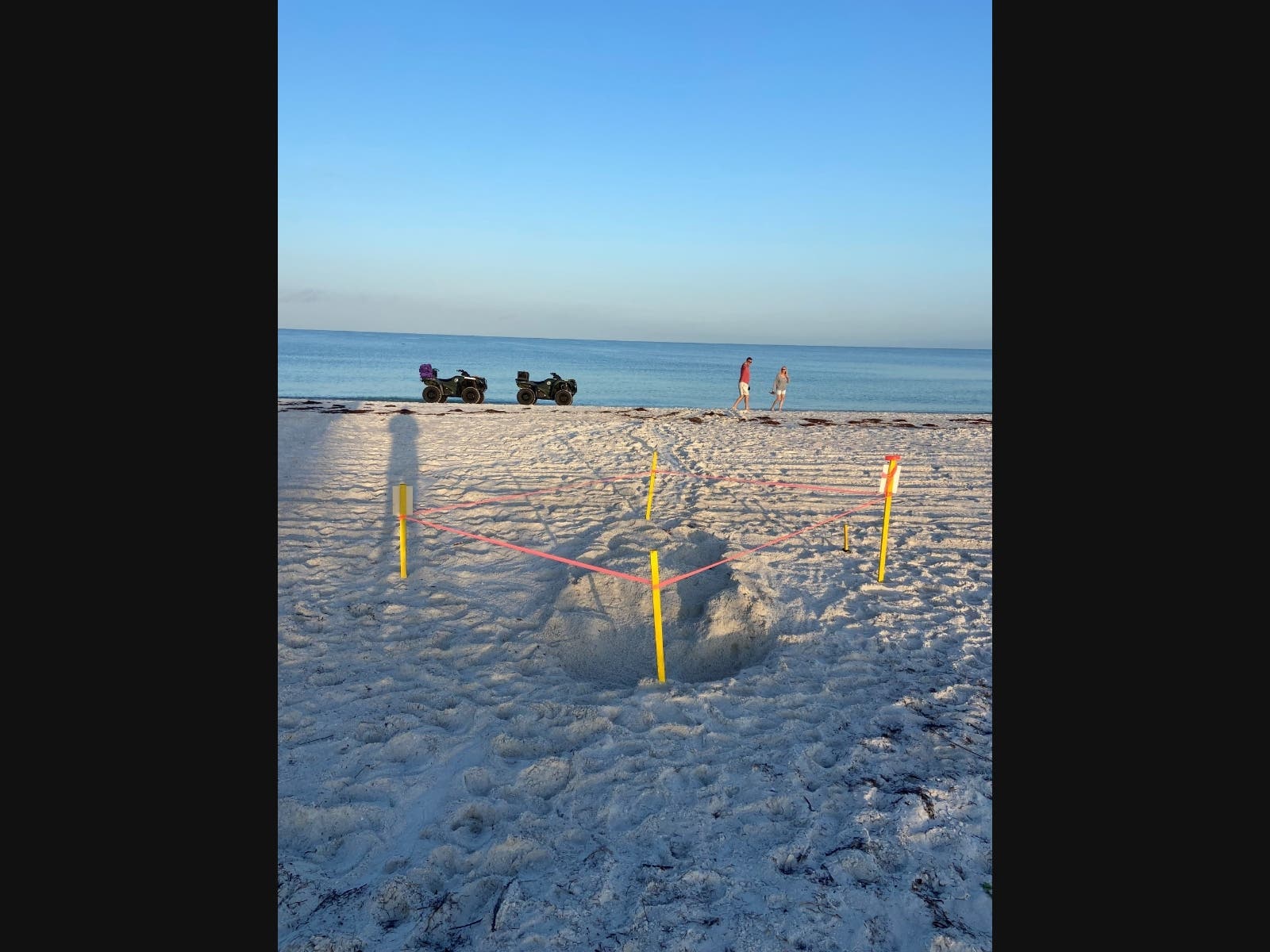
CLEARWATER - Clearwater Marine Aquarium has officially kicked off its annual sea turtle nesting season patrol. Sea turtle nesting season officially runs May 1 through October 31 and marks a critical period as adult turtles return to the beaches where they were born to lay eggs.
“We want to remind locals, visitors and new residents that nesting season is underway,” said Carly Oakley, Sea Turtle Conservation Program Manager at CMA. “Simple, thoughtful actions can make a real difference in protecting these animals during a vulnerable stage of their lives.”
Recent nesting seasons have demonstrated notable growth. In 2025, CMA recorded 405 nests—the highest total in years—compared to 271 in 2024 and 227 in 2023. Loggerhead sea turtles remain the most common nesting species in the region, with occasional nests from green sea turtles and rare appearances by leatherbacks, Kemp’s ridleys and hawksbills. All five species are federally listed as threatened or endangered.
Find out what's happening in Clearwaterfor free with the latest updates from Patch.
While green sea turtles have been reclassified from endangered to threatened, they—along with loggerheads—continue to receive federal protection. CMA typically documents one or two green sea turtle nests each season.
“It’s encouraging to see increases in both loggerhead and green sea turtle nesting activity,” said Oakley. “At the same time, it reinforces how important it is to remain vigilant in protecting these species and the habitats they rely on.”
Find out what's happening in Clearwaterfor free with the latest updates from Patch.
Oakley and a team of other CMA biologists recently published a scientific paper about the effects of artificial lighting used during nesting season, which underscored the need for improved lighting regulations and beach management strategies, such as enhancing natural dunes and beach profiles to reduce artificial light exposure in Pinellas County. (Disorientation patterns of loggerhead sea turtle (Caretta caretta) hatchlings in Pinellas County, Florida, USA, Plos, April 15, 2026, by Kerry L. McNally, Carly Oakley, Megan Davila, Sarah Farinelli.)
Working in partnership with the Florida Fish and Wildlife Conservation Commission (FWC) and Pinellas County, CMA tracks nest counts, false crawls, hatchling disorientation events, predation, obstructions, and human-related impacts.
CMA monitors a 21-mile stretch of coastline along Florida’s west coast. Each morning, a dedicated team of biologists, volunteers, and interns surveyed beaches to identify tracks, locate and mark nests, and gather essential data.
Despite conservation efforts, survival remains a challenge—nearly 90 percent of hatchlings do not make it to the ocean. Human activity plays a significant role, with hazards such as litter, beach furniture, holes in the sand, and sandcastles obstructing their path.
Artificial lighting continues to be one of the most significant threats to nesting turtles and hatchlings, often causing disorientation. CMA works closely with local communities to reduce light pollution and promote turtle-friendly practices.“Even small changes—like using turtle-safe lighting or closing blinds at night—can have a meaningful impact,” Oakley added.
Top 10 Tips to Protect Sea Turtles During Nesting Season
- Dispose of all trash properly, especially plastics that turtles may mistake for food
- Fill in holes and flatten sandcastles before leaving the beach
- Keep a safe distance from turtles and hatchlings; never touch or disturb them
- Report distressed turtles to CMA’s Emergency Hotline: 727-441-1790 ext. 1
- Avoid flash photography near nests or turtles
- Do not use flashlights or phone lights on the beach at night
- Install sea turtle-friendly lighting for homes and businesses
- Use window coverings to limit indoor light reaching the shoreline
- Report injured or stranded turtles to the FWC Wildlife Alert Hotline: (888) 404-3922
- Share these guidelines to raise awareness and support conservation
Get Involved: CMA Conservation Programs
Protect the Nest Initiative
Supporters can symbolically adopt a sea turtle nest through CMA’s Protect the Nest program. Participants receive a personalized wooden plaque placed at an active nest site, which is returned at the end of the season. More information is available at protectnest.org.
Ride-Along Experience
CMA’s Ride-Along Program offers a unique opportunity to join biologists during early-morning patrols and observe conservation work firsthand.
For more information about CMA’s Sea Turtle Conservation Program, visit CMAquarium.org.
All marine turtle footage in Florida was collected under authorization from the U.S. Fish and Wildlife Service and the Florida Fish and Wildlife Conservation Commission (FWC) as part of permitted conservation activities (FWC MTP-25/26-263 and MTP-25/26-013).