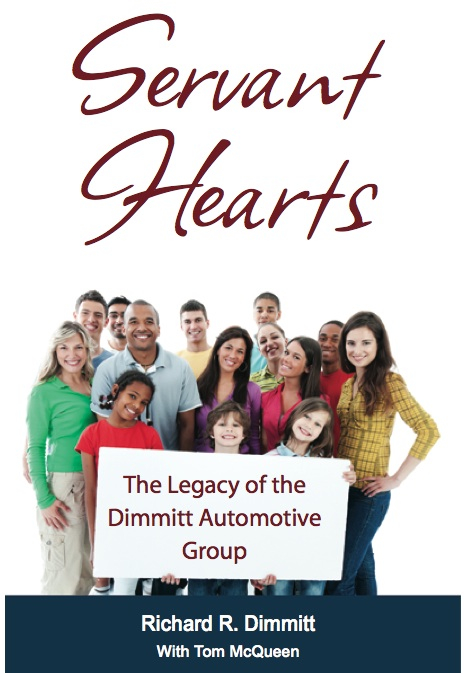
With
Michelle Adkins, Robert Caron, Hollie Christmas, Becky Costis, Nichole Garcia, Naaman Johnson, Jr., Joe Lisle, Amy McKelvy, Patty Rodriguez
From Leadership Dimmitt
Find out what's happening in East Lakefor free with the latest updates from Patch.
Do you work for a manager, a leader, or both? Why do we recruit managers today when what we really need are leaders? Are people in the business world actually taught what the difference is between a manager and a leader?
These are some of the questions being considered at Fortune 500 companies in light of the dramatic and evolving changes occurring in the fabric of the 21st century workplace. Fifty years ago, who would have thought that contemporary businesses would be challenged by having to navigate a labor demographic that included four generations of workers, the first time in our history that has happened?
Find out what's happening in East Lakefor free with the latest updates from Patch.
Leadership Dimmitt, a group of associates with vocations to serve one another, their guests, and the community at the Dimmitt Automotive Group in Clearwater, Florida made these key distinctions between a manager and a leader:
MANAGER LEADER
Plans and organizes Coaches and trains
Delegates Leads by example
Short-term results driven Long-term, growth oriented
Executes processes Innovative, seeks out new opportunities
Task-oriented Motivates, inspires, explains
As the Leadership Dimmitt group processed the results of their deliberations and looked at the American workplace in general, there were many more positive descriptors for a leader than there were for a manager. For example, leaders were viewed as being compassionate, empathetic, truthful, and trustworthy. On the other side of the ledger, managers were sometimes seen as intimidating and demanding.
What seems to be happening in our culture is that the traditional role of the “manager” is identified too closely with the hierarchical, top-down management style that was characteristic of the pre-hippie generation. And that doesn’t cut it in today’s multi-generational workforce.
The fact of the matter is that companies today are basically over-managed and under-led. And, truth be told, great leaders understand or can be taught the skills of planning and organizing, delegating tasks, producing short-term results, executing processes and whatever other mundane responsibilities a manager carries out on a daily basis. So what do we need managers for then? Simple. We don’t.
What we need today are leaders whose primary task is to engage the minds and hearts of their team members by serving their needs and equipping them with the tools and support they require to get the job done. When that happens, businesses will discover that everyone is a leader in their own right and, with minimal “management,” the results they produce in a supportive environment will far surpass the outcomes that would have been generated by a cadre of beleaguered managers with the weight of the world on their shoulders.
To produce measurable and legendary results in your business, the Chinese philosopher Lao Tzu said it best when he explained the work of a true leader in any organization: “A leader is best when people barely know he exists. And when his work is done, his aim fulfilled, they will say: We did it ourselves.”