Neighbor News
Beat a Cyberbully: Here’s How Parents Can Help
How parents can be proactive in protecting their children from cyberbullying.


Beat a Cyberbully: Here’s How Parents Can Help
While remote learning during the COVID-19 pandemic lowered reported instances of bullying, parents fear that, for some students, going back to school will mean going back to being bullied.
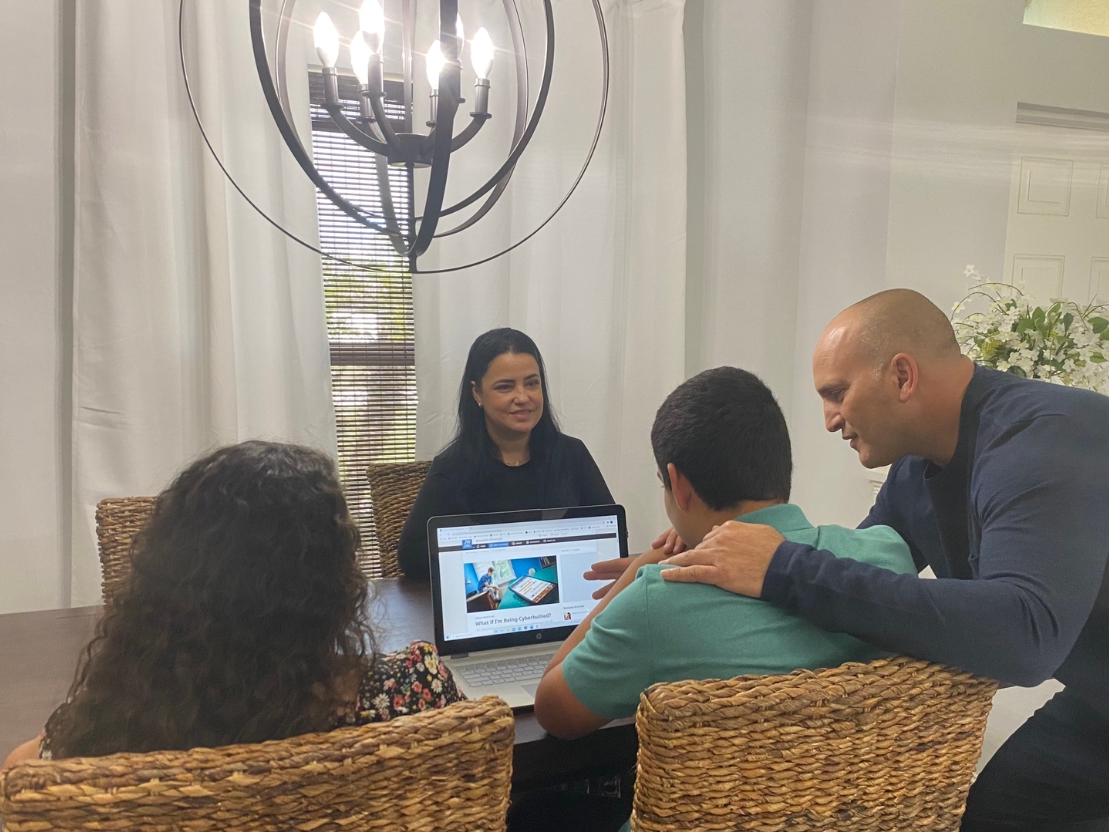
“Although we have not been directly affected, we make sure to speak to our children about it, not just on how to react and what to do if you are being cyberbullied but also how NOT to become one of the bullies,” said Catherine Ortega of her family of four in Naples, Florida.
Find out what's happening in Fort Myersfor free with the latest updates from Patch.
Now 15 years after the inception of National Bullying Prevention Month in October, technology’s ever-greater presence in children’s lives has given bullying a new outlet. With just a click, cyberbullies can taunt, harass and threaten relentlessly, even reaching into the home via cellphone or computer. As a result, victims report feeling hopeless, isolated and even suicidal.
What can parents do to protect their kids? Taking an interest in their children’s online world can make a difference, says the National Parent Teacher Association.
Find out what's happening in Fort Myersfor free with the latest updates from Patch.
This interest does not necessarily require parents to become tech experts. Instead, the federal stopbullying.gov site advises parents to watch for subtle clues that something is wrong, such as their child becoming withdrawn, hiding their screen when others are nearby or reacting emotionally to what’s happening on their device.
For Catherine Ortega and her husband, Nahamani Ortega
In addition to being alert to changes in the moods or attitudes of her adolescents, Catherine Ortega observes, “We’ve noticed that if something is going on, their grades do drop.”
Talking with kids openly — and often — helps too. “The more you talk to your children about bullying, the more comfortable they will be telling you if they see or experience it,” UNICEF says in its online tips for parents.
Recognizing the importance of consistent effort, Nahamani Ortega, the father of the two teens, explains how he and his wife keep an open dialogue with them. “Spending quality time on a daily basis ... where we can speak of what has happened during the day and just having that open communication where they can feel like they can speak to you freely at any time … Doing things together … definitely gets you closer as a family. There is more trust and there is obviously the high likelihood that they will come to us if an issue would arise.”
Beyond talking, listening and observing their kids, parents shouldn’t be afraid to make and enforce rules for online activities, experts say.
“We have taken those safety precautions on their cell phones and on their laptops … they’ve got some freedom, but … the freedom has … boundaries,” says Nahamani of his 15-year-old son and 13-year-old daughter, “It’s not a matter of just saying, well this is going to be done this way and you are not allowed to do this, the best way to educate is explaining why.“
The Ortega family cited the tips and reminders they’ve considered together with their kids from free resources available on jw.org, the official website of Jehovah’s Witnesses.
Nahamani explains, “We’ve taken advantage of the whiteboard animations that are on the jw.org app., for example, ‘Beat a Bully Without Using Your Fists’ and how to act if you encounter a situation like that. … We’ve also used other videos like, ‘What’s a Real Friend?’ and ‘How Can I Stop Gossip?’.” Ortega concludes, “We talk about… if they are cyberbullied but at the same time, we don’t want them to cyberbully anyone. … Using these videos can help them not become that cyberbully either.”