Business & Tech
Bone Up on Pet Health
What you need to know to keep your furry friends happy and healthy.
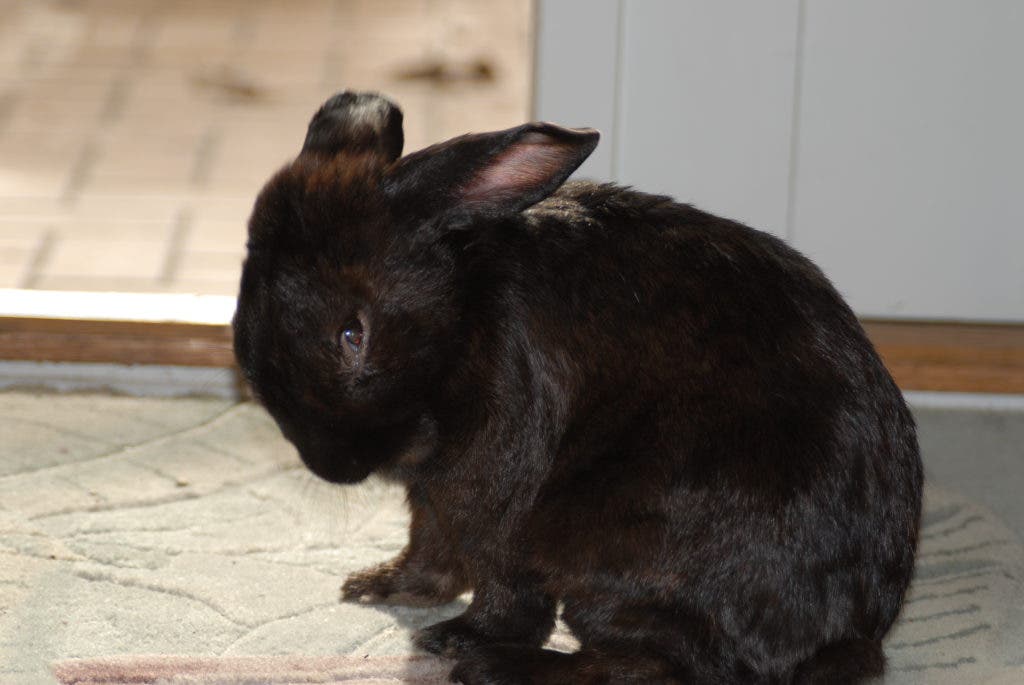

Good health is just as important for pets as it is for their owners. Yet because they communicate differently, owners should be attentive to changes in disposition and energy levels. With the seventh annual Gulfport’s Get Rescued festival and fundraiser set for Sat. Feb. 26, 2011, this week’s column offered a chance to examine pet health basics.
Experts say the key to a healthy pet is prevention and early disease detection. That’s why Julie Levy, a professor and Doctor of Veterinary Medicine at the University of Florida in Gainesville, recommends establishing an early relationship with a veterinarian. Levy also offered some tips:
DIET: Diet and nutrition should be well balanced and linked to the species and age of the animal, as well as any particular medical concerns, such as heart disease.
Find out what's happening in Gulfportfor free with the latest updates from Patch.
"No one diet fits every animal," Levy said.
She also encouraged pet owners to craft a health plan for the animal that addresses the quantity of food that should be consumed. While obtaining the details on all ingredients in mass-produced pet food can be challenging, current recalls are listed by the American Veterinary Medicine Association. The Whole Dog Journal recently released its annual list of top holistic dog foods .
Find out what's happening in Gulfportfor free with the latest updates from Patch.
EARS: Levy cautioned that not all animals need their ears cleaned. Cats are thorough groomers and dogs with pricked ears have anatomy that tends to have fewer problems. A small amount of wax can be removed with a moistened cotton ball, but Q-tips should be avoided as they can injure the ear canal. An odor could mean infection and pet owners should seek veterinary care.
EYES: As some animals age, their lens may get cloudy. It doesn’t necessarily obstruct vision, but any change should trigger a visit to the veterinarian since cataract surgery outcomes are better if treated early.
DIGESTIVE: Firm stool that isn’t too hard usually indicates good health. Yet dogs, cats, birds and small animals are susceptible to a variety of parasites. Most heartworm treatments are typically a combination of all common parasites, but you should check with your veterinarian.
WEIGHT: As in humans, obesity in pets leads to a greater risk of diabetes, heart disease, high blood pressure, respiratory disorders and arthritis. Any pet exceeding the ideal body weight for its breed by 15 percent, is considered overweight.
“With a dog, you can exercise together,” said Levy. But she also cautioned restraint. “Greyhounds tend to stay lean naturally,” said Levy, “while Labs and small dogs can gain weight quickly if not exercised enough.”
WEATHER: In Florida, warm and humid weather is cause for some concern and prevention. Outside, animals should have plenty of shade and cool water. If an animal shows signs of discomfort, he or she should be brought inside.
“Know your animal’s limits,” Levy said “Dogs will chase a ball until they collapse.”
She also urges pet owners to avoid leaving pets in parked cars, even for brief periods.
“It only takes 90 seconds for their temperature to exceed 100 degrees,” Levy said.
Dogs with short, or “pug” noses are susceptible to the effects of heat and expend more energy to breathe in Florida’s tropical weather.
HERBS & HOLISTIC PET MEDICINE: Levy recommends getting advice from a holistic veterinarian as these are medicinal plants and some plants can actually cause an animal harm. For example, garlic and onions can cause anemia in cats, while the effect on the red blood cells of dogs seems to be less toxic but can still cause adverse effects. Tea Tree oil can be toxic for cats as well.
GERIATRIC NEEDS: For those caring for geriatric pets, Levy said veterinarians can help you assess the status of your pet’s health and develop a care plan.
“Age is not a diagnosis,” she said. “Some animals are vigorous and can tolerate a hip replacement surgery to alleviate arthritis, but all pets have different needs as they age.” Levy recommends a frank look at quality of life issues.
Lynda Shehan in Gulfport offers pet sitting. She specializes in geriatric and special needs animals who may be taking medication. An animal owner her entire life, she’s adopted rescue pets for the past 25 years and currently has five. She also works with an array of animal rescue groups all over the country.
“When you have an elderly pet, it’s important to know that there is someone that can take care of them properly,” Shehan said. “Being taken care of in the senior days of your life is important and I think we would all want a loving home in those years.
RESCUE PETS: Julie Levy also serves as director of Maddie's Shelter Medicine program at the University of Florida, and is interested in both the physical and emotional lives of animals. Loving, patient, adoptive families help rescued pets recover from physical and emotional abuse and can provide their adoptive families with rewarding companionship. Levy recommends shelters that offer:
▪ a thorough medical history along with a written record of the pet's history
▪ a description of the animal’s behavior and advice
▪ post-adoptive support that is accompanied by ongoing advice
Levy also recommends choosing a doctor of veterinary medicine specific to the type of animal you adopt. Locally, you can adopt birds through Florida Parrot Rescue, and you can learn about rabbits through the House Rabbit Society. Sheehan, who also has a passion for rescued pets, said Saturday’s event will showcase 50 organizations with a variety of animals.
“Even if you’re not looking to adopt, it’s a lot of fun,” Shehan said.
END OF LIFE: Levy said it’s vital to stay attuned to significant changes in your animal. She’s examined dehydrated pets that had lost their appetite, acknowledging that in some species, it’s hard to know how they’re feeling. Prey animals such as rabbits hide their weakness as a matter of instinct. Yet losing the companionship of a pet can be devastating.
“Sometimes, it can be emotional and challenging to know when to let go,” Levy said. Yet there are hospice grief and pet bereavement support groups that can offer support. A few are listed below:
▪ www.pet-loss.net/resources/FL.shtml
Common sense, a relationship with a well-trained veterinarian who has experience with your pet’s species and staying in tune with your pet can lead to productive and healthy relationships. To locate a veterinarian, contact the Florida Veterinary Medical Association