Community Corner
Start to Hurricane Proof Your Home Today
While hurricanes such as Andrew and Charley remind people of Mother Nature's wrath, even a Category 1 hurricane can destroy a home. Now is the time to prepare yourself, your family and your home for a possible hurricane or tropical storm.
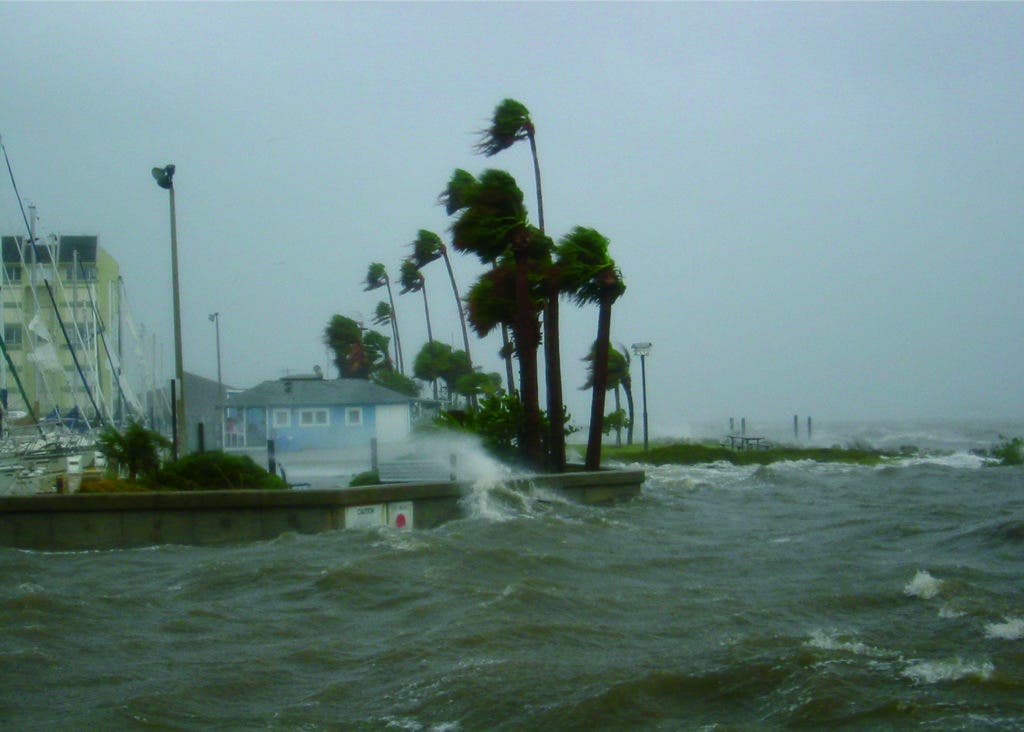
Even if a hurricane or tropical storm is not headed your way right now, it's wise to prepare, stock up on materials, inventory your valuables and double check your insurance coverage now.
Securing your home can lesson damage and help save money in the event of a catastrophe. According to My Safe Florida Home's website, four hurricanes in 2004 resulted in 1.66 million insurance claims totaling more than $20 billion in insured losses. That's an average claim of $20,000. The statics show that one in every five homes in Florida was damaged, according to the website.
My Safe Florida Home posted a few myths and facts about this topic. One commonly held belief is that taping windows prevents shattered glass and damage during a hurricane. That’s a myth. Doors and windows are however, the most important defense in a storm and bracing doors and windows offers a strong defense against dangerous winds.
Find out what's happening in Gulfportfor free with the latest updates from Patch.
The Federal Alliance for Safe Homes has posted a printable checklist for homeowners. Projects are broken down into one hour, one day and one weekend. When it comes to preparedness, Gulfport Fire Chief James Marenkovic says, “there’s no time like the present”.
To mitigate potential damage, you might want to set aside time this weekend to check:
Find out what's happening in Gulfportfor free with the latest updates from Patch.
- Garage doors: If you want a replacement door, purchase a reinforced, wind-rated model. You can reinforce garage doors at their weakest points, using vertical brackets on each panel. Wood and light gauge metal guards, and hinges can be used. Experts suggest checking stores to see if retrofit kits are available for your garage door model.
- Roofing: If your roof needs replacement, a new one can be installed to meet stronger building codes adopted in 2002. Bracing and other roof strengthening tips are outlined in detail at: www.floridadisaster.org/mitigation/rcmp/hrg/index.asp. For information on securing roofs to walls, log on to: www.nhc.noaa.gov/HAW2/english/retrofit/straps.shtml.
- Trees: Trim all tree limbs that could fall on your home before stormy weather is approcahing.
- Windows: Install hurricane shutters and secure them in high winds. Protecting windows prevents wind and water damage and keeps the roof more secure. Duct tape will not suffice.
- Weather stripping: Ensure weather stripping and caulking around doors and windows are solid and as impenetrable to wind as possible.
You can access a complete guide to retrofitting your home for a hurricane, but you ought to conduct an annual inspection to ensure that air cannot penetrate your home. That critical move will decrease the potential of costly structural damage. You should also:
- Inspect your roof for loose shingles, soffits and fascia
- Check tie-downs and anchors for rust anchors
- Check the seal and caulking along your windows
- Check for wood rot and termite damage at connections, joists, trusses.
- Install hurricane shutters that meet building code requirements
- Photograph or videotape your home and personal property for documentation and store photos or video in an air/watertight container.
Mobile Homes
Mobile homes are extremely vulnerable to wind damage and flooding. While it is mandatory for those living in a mobile home to evacuate during a storm, you can:
- Check tie-downs for rust or breakage.
- Consider an inspection by local building officials.
- Stow outside, unsecured items indoors.
- Be familiar with Pinellas County evacuation zones.
High-Rise Buildings
Since winds are considered stronger at higher elevations, that includes high-rise buildings. Experts recommend descending to the third floor in hurricane strength winds (74 miles per hour). They also, contrary to popular belief, plywood is considered ineffective for securing sliding glass doors.
Renters
Renters should also follow hurricane safety procedures and can:
- Check the status of insurance purchased by the renter or condo association.
- Purchase renters or condo insurance for personal property.
- Know that elevators may not work in a storm. Have a flashlight handy to get to the stairwell.
Outside Your Home
You should inventory outdoor items like hoses, bird feeders, outdoor furniture, potting tables, and barbecue grills. Since these can become dangerous missiles in high winds, they should be brought inside. Experts also recommend:
- Ensuring gutters and down spouts are clear of debris and safely attached
- Removing debris piles after pruning trees and bushes
- Replacing rock mulch with shredded bark
- Super chlorinating the pool and turning off its electric supply when a hurricane warning is issued. Do not drain the pool.
- If your home renovations involve digging, call 8-1-1 to safely locate underground utilities. It’s the law.
If you are unsure of your home’s readiness to withstand a hurricane, consider hiring a licensed home inspector. The Pinellas County Office of Justice and Consumer Services, at (727) 464-6200, can help answer related questions.
Experts say it is also wise to read your homeowner’s policy and determine your hurricane and storm deductible, whether you need flood insurance, and if you have enough coverage to replace your property.
Home Improvement Loans
If you want to retrofit and upgrade your home to withstand a hurricane, Pinellas County offers some loans. Amounts can run as high as $20,000 with zero interest, and the money can be used to address these issues:
- Air conditioning/heating
- Electrical panel upgrades
- Exterior painting
- Exterior siding or stucco repair
- Plumbing upgrades
- Roofing improvements including soffit and fascia
- Water heaters
- Windows and exterior doors
To qualify as eligible:
- The home must be the applicant’s primary residence
- The home value cannot exceed $151,000
- The home must be located within Pinellas County. Homes located in Belleair Shore, Clearwater, Largo, St. Petersburg are ineligible, but homeowners can apply directly to those cities.
- The home must be a single-family detached home, townhouse, villa, cooperative or condominium
- The household income must be 80 percent of --or less than the Area Median Income (AMI).
Online Resources
Finally, we offer a few more resources with tips for strengthening your home and increasing your preparedness:
Federal Alliance for Safe Homes