Health & Fitness
Recognizing Child Abuse: What Parents Should Know
Know the signs: If you recognize these symptoms in a child, call Florida Abuse Hotline at 1-800-962-2873
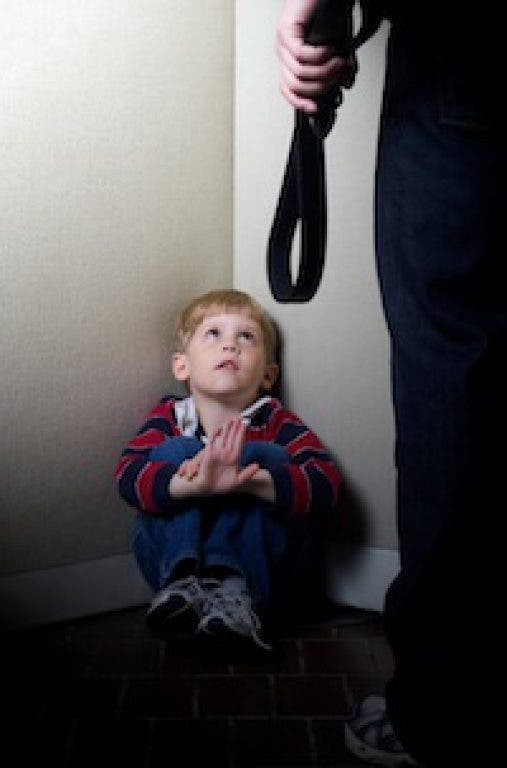
The first step in helping abused children is learning to recognize the symptoms of child abuse.
Although child abuse is divided into four types -- physical abuse, neglect, sexual abuse, and emotional maltreatment -- the types are more typically found in combination than alone. A physically abused child for example is often emotionally maltreated as well, and a sexually abused child may be also neglected. Any child at any age may experience any of the types of child abuse. Children over age five are more likely to be physically abused and to suffer moderate injury than are children under age five.
Experienced educators likely have seen all forms of child abuse at one time or another. They are alert to signs like these that may signal the presence of child abuse.
Find out what's happening in Land O' Lakesfor free with the latest updates from Patch.
The Child:
• Shows sudden changes in behavior or school performance;
Find out what's happening in Land O' Lakesfor free with the latest updates from Patch.
• Has not received help for physical or medical problems brought to the parents' attention;
• Has learning problems that cannot be attributed to specific physical or psychological causes;
• Is always watchful, as though preparing for something bad to happen;
• Lacks adult supervision;
• Is overly compliant, an overachiever, or too responsible; or
• Comes to school early, stays late, and does not want to go home.
The Parent:
Shows little concern for the child, rarely responding to the school's requests for information, for conferences, or for home visits;
• Denies the existence of -- or blames the child for -- the child's problems in school or at home;
• Asks the classroom teacher to use harsh physical discipline if the child misbehaves;
• Sees the child entirely bad, worthless, or burdensome;
• Demands perfection or a level of physical or academic performance the child cannot achieve; or
- Looks primarily to the child for care, attention, and satisfaction of emotional needs.
The Parent and Child:
- Rarely touch or look at each other;
- Consider their relationship entirely negative; or
- State that they do not like each other.
None of these signs proves that child abuse is present in a family. Any of them may be found in any parent or child at one time or another. But when these signs appear repeatedly or in combination, they should cause the educator to take closer look at the situation and to consider the possibility of child abuse. That second look may reveal further signs of abuse or signs of a particular kind of child abuse.
If you suspect a child is being abused contact the Florida Abuse Hotline at 1-800-962-2873. It is better to be safe than sorry.