Crime & Safety
Gator Attack Victim Identified; Officials Say Such Attacks Are Rare
Although the cause of death is pending the medical examiner's report, wildlife officials believe a man was killed by one or more gators.


LARGO, FL — Wildlife officials are continuing to investigate the death of a 47-year-old man found dead in an alligator-infested lake at a Largo city park Tuesday.
Police said the body of Sean Thomas McGuinness, who is listed as being transient, was found around 8 a.m. by a person walking his dog at John S. Taylor Park, 1100 8th Ave. SW.
Police said McGuinness' body was floating near the shoreline of Taylor Lake when the dog walker spotted it and called 911.
Find out what's happening in Largofor free with the latest updates from Patch.
Police arrived and found the body just a few feet away from a Frisbee floating in the water.
The 53-acre lake is located next to a disc (Frisbee) golf course.
"While the medical examiner will determine the exact cause of death, it was apparent that McGuinness suffered injuries related to alligators in the lake," said Megan Santo, public information coordinator for the Largo police. "Detectives believe this occurred in the nighttime hours as McGuinness did not appear to have been in the lake for a long period of time before he was discovered."
Find out what's happening in Largofor free with the latest updates from Patch.
Related: Man Killed In Likely Alligator Attack In Largo Lake: Police
According to park managers for the Largo Recreation, Parks and Arts Administration, McGuinness was known to frequent the park and wade into the lake to retrieve wayward Frisbees, although there are "No Swimming" signs posted around the lake due to the presence of gators.
A frequent park visitor confirmed that McGuinness was known to sell discs back to people playing on the disc golf course, Santo said.
In addition, depending on the quality of the disc, a used-sporting-goods store will pay anywhere from $2 to $7 for used discs.
The lake has long been a habitat for alligators, according to the Florida Fish and Wildlife Conservation Commission, although officials weren't able to give Patch an estimate on the number of gators living in the lake.
Following McGuinness' death, the FWC sent trappers to the lake to see if they could catch the alligator or alligators that tore off one of McGuinness' arms and left bite marks on him.
The trappers removed a 10-foot and an 8-foot gator from the lake, which were euthanized. The gators were then necropsied but neither gator's stomach contents indicated that they were they gator that attacked McGuinness.
When gators attack or bite people or animals, they are declared a nuisance by the FWC and are humanely euthanized.
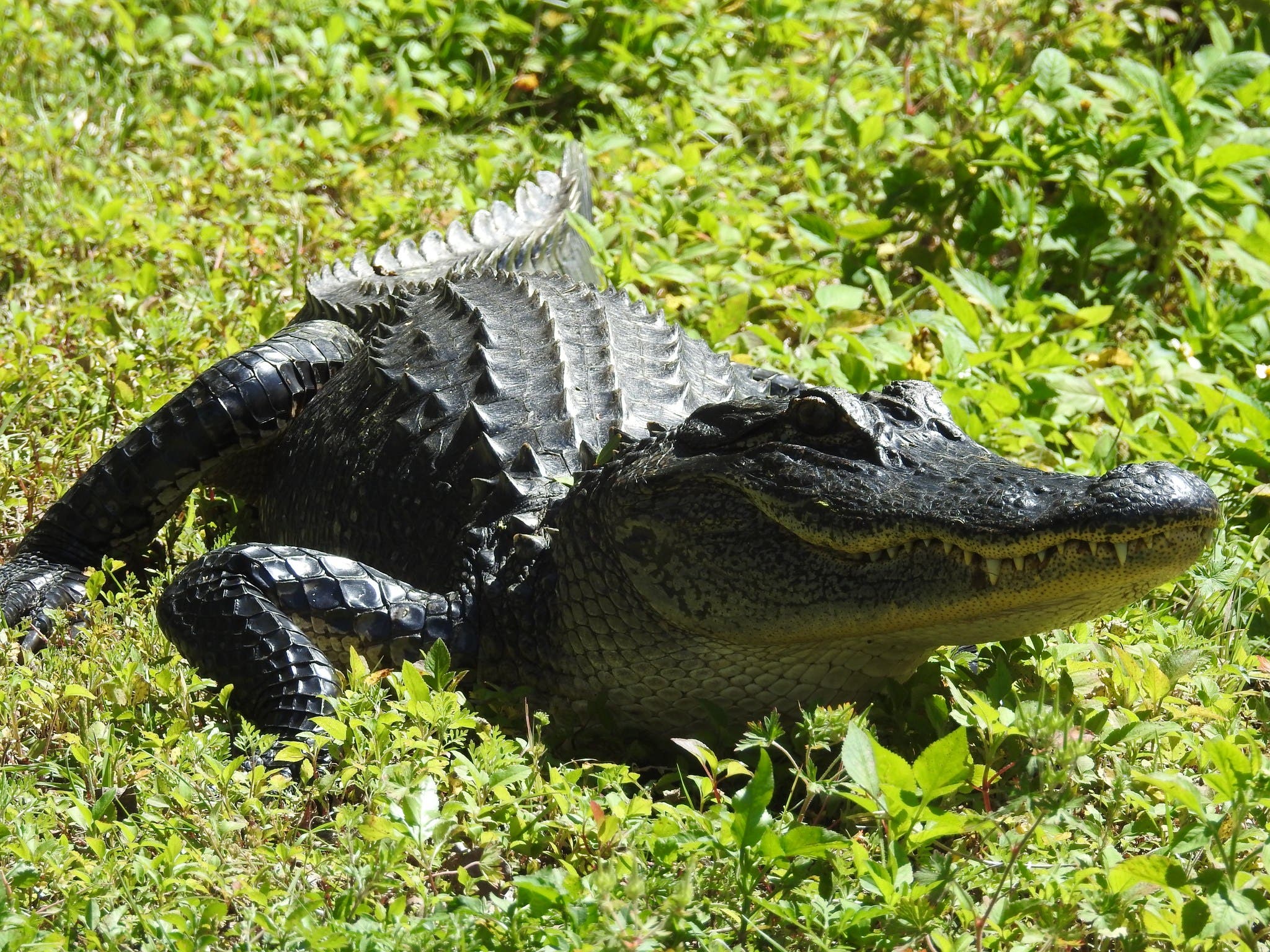
FWC officials said an alligator is considered a nuisance if it's at least 4 feet long and believed to pose a threat to people or pets.
When the FWC is contacted about a nuisance gator, the commission sends a contracted nuisance alligator trapper to catch the reptile.
"Alligators less than 4 feet in length are not large enough to be dangerous to people or pets, unless handled," an FWC official said.
Every year, the FWC receives thousands of calls to remove nuisance alligators from lakes, rivers and swamps.
In 2020, the FWC received 17,765 nuisance complaints and removed 7,789 nuisance gators. In 2019, the state fielded 17,623 complaints and trapped 7,669 gators. The average length of the nuisance gators was 6.8 feet, according to the FWC.
"We have about 1.3 million alligators in Florida," said the official. "Alligators live in all 67 counties, and they inhabit all wild areas of Florida that can support them. The removal of nuisance alligators does not have a significant impact on our state's alligator population."
Because gators are so territorial, it would be difficult, if not impossible, to relocate the gators to another lake, the official said.
"Relocated alligators often try to return to their capture site. They can create problems for people or other alligators along the way. If an alligator successfully returns, capturing it again would be necessary and likely more difficult the second time," said the official.
"To avoid creating a problem at the release site, nuisance alligators would have to be relocated to remote areas where they would not encounter people," said the official. "These remote areas already have healthy alligator populations, and the ones that already live there have established social structures. The introduction of a new alligator to these areas would likely cause fighting, possibly resulting in the death of a resident alligator or the introduced alligator."
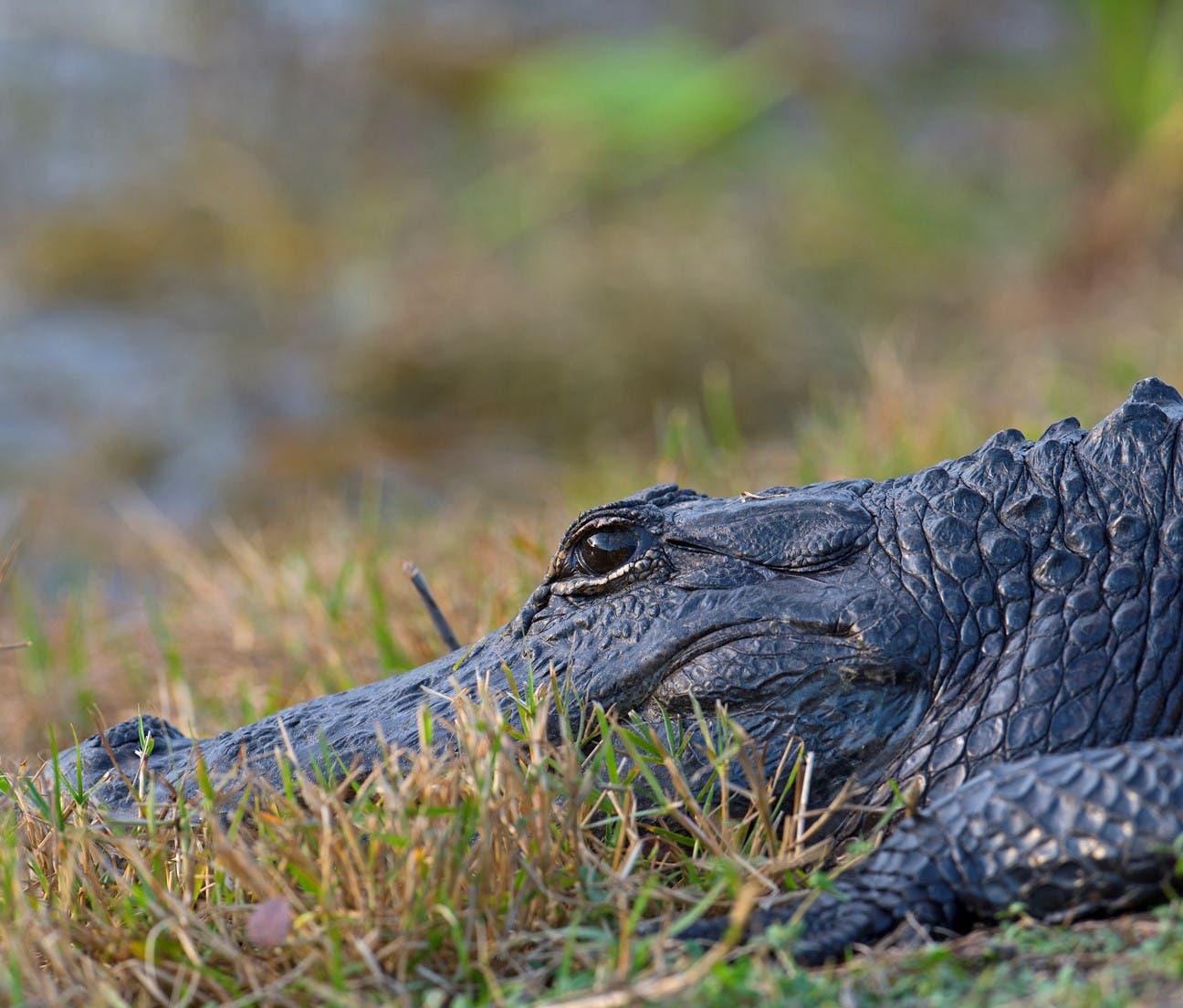
In the 1940s to 1960s when alligator hide purses, belts, wallets and shoes were the rage, Florida's alligators were hunted to the point that they became endangered.
That's no longer a concern, said the FWC official. The gator population rapidly revived once hunting was banned.
The 25-year ban on alligator hunting ended on April 19, 1987. In 1988, Florida launched a statewide alligator harvest program to control the burgeoning alligator population.
In 2020, 8,216 alligators were legally hunted in Florida. Another 8,372 were harvested in 2019.
Still, the gator population continues to grow, said the official.
Despite the abundance of these thick-skinned reptiles with sharp teeth, alligator bites and attacks are rare, he said.
The total of 1.3 million alligators living in Florida is just an estimate based on the fact that Florida has 6.7 million acres of suitable habitat for gators, the official of the FWC alligator management division explained.
"Alligators are opportunistic feeders and will eat animals that are readily available to them," he said. "They prefer to go after prey they can overpower easily. Most alligators are naturally afraid of humans, but may lose that fear when people feed them."
That's why it's illegal to feed wild gators in Florida, he said.
"Alligators seldom bite people for reasons other than food," the official said. "Female alligators may protect their nests by hissing and opening their mouths to frighten intruders, but rarely bite people."
When alligators do attack, it usually happens in or around water, the official said.
"Alligators seldom bite people, and fatalities from such occurrences are rare," said the FWC official. "Over the last 10 years, Florida has averaged eight unprovoked bites per year that are serious enough to require professional medical treatment. The frequency of these serious bites is variable, but there has not been a significant trend in the past 10 years. The likelihood of a Florida resident being seriously injured during an unprovoked alligator incident in Florida is roughly 1 in 3.1 million."
From 1948 to 2021, 442 people were the victims of unprovoked alligator attacks, with 26 people killed, according to the FWC.
Get more local news delivered straight to your inbox. Sign up for free Patch newsletters and alerts.