Schools
FIU Researcher Challenges ADHD Diagnoses In Adults
Clinical researcher Margaret Sibley concluded that 80 percent of adults diagnosed with ADHD probably do not have the disorder at all.


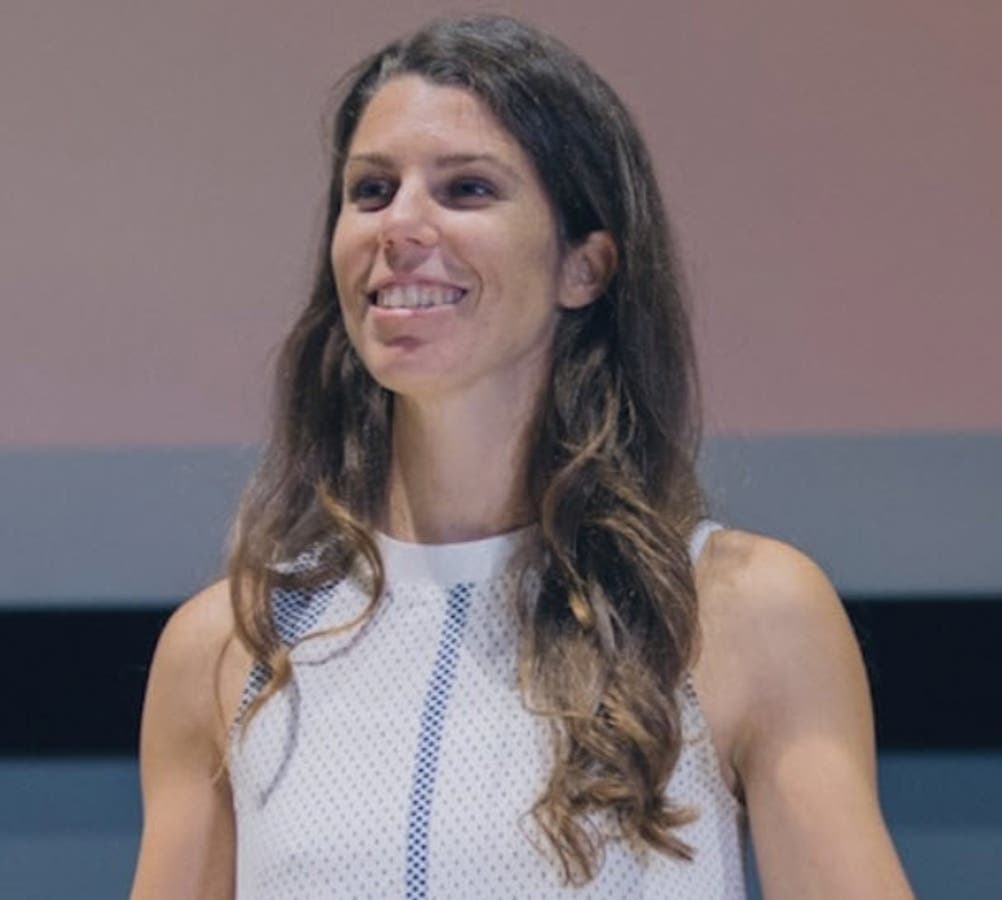
MIAMI, FL — A Florida International University researcher has made waves in the medical community with new findings that challenge diagnoses of adult-onset Attention-Deficit Hyperactivity Disorder or ADHD. Clinical researcher Margaret Sibley concluded that 80 percent of all adults diagnosed with ADHD do not suffer from the disorder while the other 20 percent probably had it as children. The findings were published recently in the American Journal of Psychiatry.
"The field thinks about ADHD like it’s a trait, like a chronic disorder," Sibley explained in an interview with Patch. "They think that people have a tendency to be a certain way because of something different in their biology. But you can also imagine that symptoms like distraction and disorganization can emerge from other reasons that don’t have to do with having a trait like that. If someone’s depressed, they can have trouble concentrating or have the energy to be motivated to stay organized. If someone is using substances, they can have trouble with concentration etc."
According to the Centers for Disease Control and Prevention, healthcare professionals look for five symptoms to diagnose ADHD in adults and adolescents 17 or older while they look for six symptoms in children. Government experts believe that hyperactivity in adults can manifest itself as extreme restlessness or wearing others out with their activity. The guidelines are contained in the "American Psychiatric Association’s Diagnostic and Statistical Manual, Fifth edition."
Find out what's happening in Miamifor free with the latest updates from Patch.
Sibley questions whether people can develop ADHD later in life. She said that some experts estimate as many as 2 to 3 percent of all adults suffer from ADHD, including those who were diagnosed as children.
"If you are experiencing these symptoms, the question that we have to ask ourselves when we're working with people who are potentially cases of ADHD in adulthood are 'what is the source of these symptoms?' That to me is how you can really untangle whether a person really has ADHD or not," asserted Sibley, an associate professor of psychiatry and behavioral health at FIU’s Center for Children and Families and Herbert Wertheim College of Medicine.
Find out what's happening in Miamifor free with the latest updates from Patch.
Sibley and her colleagues evaluated 239 participants every two years from age 10 to 25. The researchers used parent, teacher and self-reports of ADHD symptoms, impairment, substance use and other mental disorders. They also tried to look at the symptoms in the context of when they came on.
Rather than ADHD, such symptoms might be related to traumatic brain injury, environmental stressors, medication side effects or physical illness.
"If somebody is not sleeping much, they are going to have ADHD-like symptoms. If somebody is not living a healthy lifestyle that could provoke ADHD-like symptoms," Sibley said. "The field has to ask itself a question: 'What causes the symptoms? Do they feel comfortable calling it ADHD,' because I think that’s a little bit of an open debate."
Her research is only meant to question the diagnoses of adult-onset ADHD.
"We’re not questioning adult ADHD. It's certainly valid," she said. "It’s just the idea that you spontaneously can get ADHD after age 18 that we're questioning."
She also doesn't think her findings represent a challenge to conventional medical wisdom.
"I’m not going against the conventional wisdom but I think I’m going against some recent research papers," she said. "The people who wrote the papers are getting up in front of audiences full of clinicians, prescribing doctors, people who have been working face to face with patients for years — and those people in the audience are saying, 'this isn’t right. Did you account for this? Did you look if they are using substances? Did you look if they have other disorders that might cause these symptoms?'"
Sibley said that the authors of those papers acknowledge that they didn't have access to sufficiently detailed records.
"If you do look really closely then you find another explanation for this," Sibley added.
Photo courtesy Florida International University
Get more local news delivered straight to your inbox. Sign up for free Patch newsletters and alerts.