Weather
Hurricane Irma Aftermath Includes Sewage Polluting Towns Across Florida
"Floodwaters may contain not only bacteria from sanitary sewer overflows but other potential contaminants," the environmental dept. said.

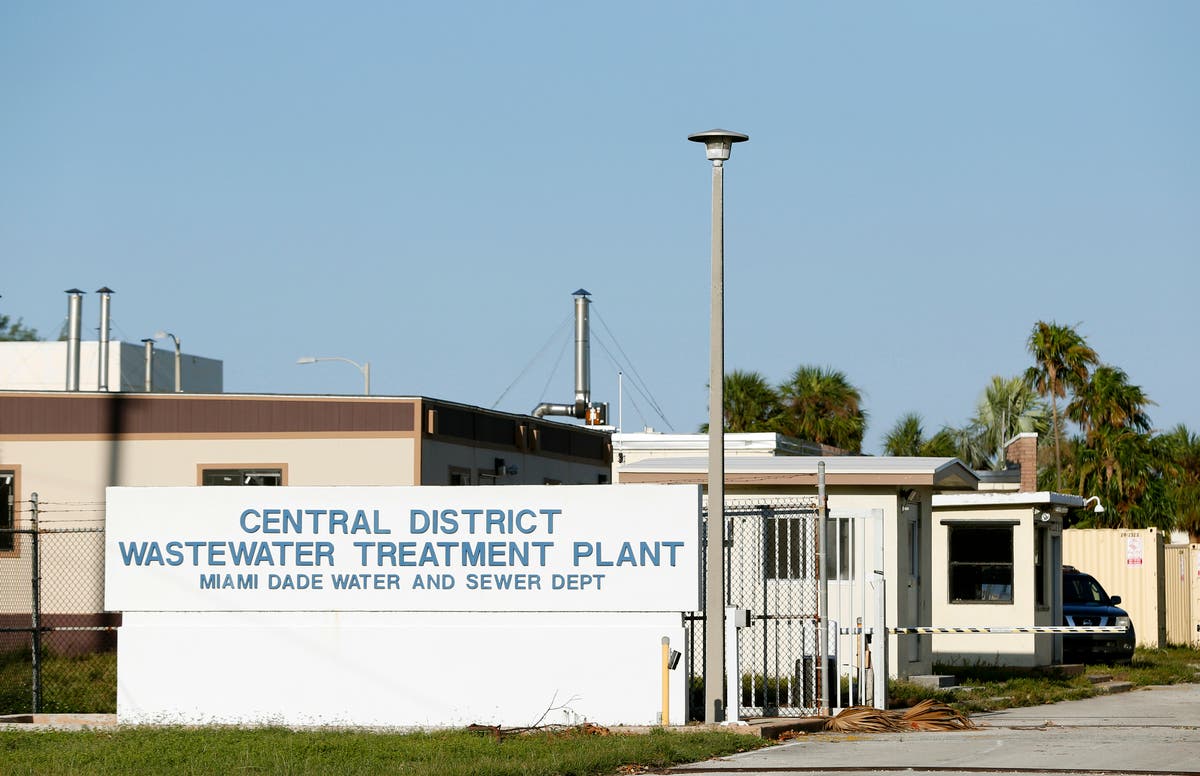
MIAMI, FL — Millions of gallons of wastewater poured from a treatment plant on Virginia Key when Hurricane Irma took out the power Sunday night. Across the entire Miami-Dade County, Water and Sewer Department officials reported seven different spills releasing potentially contaminated water into the environment.
Officials advised people not to swim at Miami-area beaches until waters could be tested for a variety of pollutants.
More than 100 pollution events across the state have been reported by local governments to the state Department of Environmental Protection in the hurricane's aftermath. Many of these pollution events include the spillage of millions of gallons of wastewater in various stages of treatment. (For more information about the recovery from Hurricane Irma, subscribe for free to the Miami Patch and receive daily newsletters and breaking news alerts. If you're outside of Miami, find your local Florida Patch. If you have an iPhone, click here to get the free Patch iPhone app.)
Find out what's happening in Miamifor free with the latest updates from Patch.
Watch: Hurricane Irma's Destructive Journey By The Numbers
Officials in many cities were still scrambling Thursday to determine how much sewage had escaped, while the state warned people to steer clear of standing water.
Find out what's happening in Miamifor free with the latest updates from Patch.
"Floodwaters may contain not only bacteria from sanitary sewer overflows but other potential contaminants from agricultural or industrial waste," environmental protection department spokeswoman Dee Ann Miller said.
The U.S. Environmental Protection Agency deployed teams to help state officials assess damage to wastewater and drinking water systems.
Wastewater treatment is challenging enough in a state with flat, low-lying terrain and a booming population concentrated largely in coastal cities. Pipes and other infrastructure are aging, a common problem across the U.S., and many residents use private septic tanks that are susceptible to flooding. A consultant's report commissioned by the state found that leaks and overflows resulting from hurricanes Hermine and Matthew in 2016 totaled about 250 million gallons.
Electricity interruptions during heavy storms often deliver the knockout punch to already vulnerable systems. They shut down "lift stations" pumping wastewater from lower to higher elevations on its way to treatment plants, causing backups that can propel untreated sewage into homes or through manhole covers onto city streets. Some lift stations are equipped with emergency generators, while others are idled unless officials can get portable generators to them.
St. Petersburg has permanent generators at 22 of its more than 80 lift stations, said Bill Logan, spokesman for the public works department. Workers hauled devices to as many other locations as they could, but the storm's fury slowed them down.
As of Wednesday, the Gulf Coast city of about 250,000 had reported four spills. The largest, totaling about 430,000 gallons of partially treated wastewater, overflowed from a treatment plant holding tank Monday, while the others were at manholes.
Other systems reported bigger spills — including 1.1 million gallons of raw and treated sewage from the city of Oviedo and 1.5 million gallons of effluent from a facility in Osceola County.
Some said it was too early to tell how bad the problem was.
JEA, a regional utility that covers Jacksonville and other areas of northeastern Florida, listed about 40 overflows and releases, some of which poured wastewater into rivers, creeks and ponds. Their combined listed volume exceeded 1.9 million gallons, but amounts were unknown in some cases.
Polk County Utilities reported that "an undetermined amount of raw wastewater discharged onto the ground" and backed up into three homes after a lift station lost power in Lakeland.
More than 125 systems in about 40 Florida counties advised residents to boil tap water before using it for drinking or cooking.
A number of Florida cities have reached settlements with state or federal agencies that require significant upgrades of their treatment systems because of repeated sewage spills. Miami-Dade pledged $1.6 billion in improvements over 15 years under a deal with the EPA in 2014. An agreement with the state completed in July requires St. Petersburg to spend more than $300 million.
Many of those overflows have resulted from decay of pipes, pump stations and other infrastructure.
The EPA, which can impose fines for spills that violate the Clean Water Act, said permits issued under the law allow release of contaminated storm water in extraordinary situations.
"Hurricane Irma has produced circumstances beyond the reasonable control" of some treatment plant operators, regional EPA chief Trey Glenn said Wednesday in a letter to Noah Valenstein, secretary of the Florida environmental department. "The EPA recognizes the importance of keeping these facilities operating and where necessary getting the facilities back on line as quickly as possible and will support our partners in this effort."
EPA officials did not immediately respond to e-mailed questions seeking further details about how the agency will address the overflows.
Temporary relaxation of anti-pollution requirements is standard procedure during weather emergencies, said Joan Leary Matthews, an attorney with the Natural Resources Defense Council who granted such waivers as head of EPA's clean water division in its Northeast regional office during Superstorm Sandy.
But environmental groups said they would keep up pressure for drastic improvements of wastewater treatment across the state.
"We still have a leaky system," said Justin Bloom, executive director of Suncoast Waterkeeper, which sued St. Petersburg and Gulfport last year over repeated sewage discharges. "If we eventually get that huge storm surge and dramatic rainfall we feared, it's a recipe for calamity."
By JOHN FLESHER, AP Environmental Writer
AP Photo/Wilfredo Lee