Weather
Matthew Retired From List of Hurricane Names
Storm names are retired when their future use would seem insensitive.


MIAMI, FL — We won't have Matthew to kick us around anymore, or Otto for that matter.
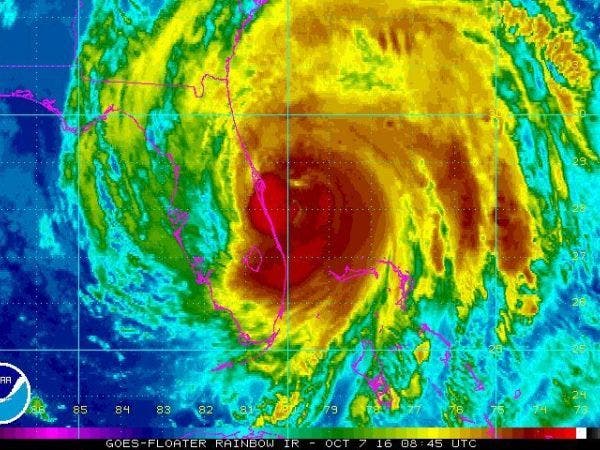
While the Miami area emerged essentially unscathed from Matthew's devastating grip, other parts of Florida, the United States and the Caribbean were not nearly as fortunate.
Find out what's happening in Miamifor free with the latest updates from Patch.
Sign up for our free Daily Newsletters and Breaking News Alerts for the Miami, FL Patch
Matthew left 1.1 million without power after a day of running up the Florida coastline, toppling trees and large roadside signs and turning coastal roadways into rivers. At least five Floridians died during the storm.
Find out what's happening in Miamifor free with the latest updates from Patch.

Consequently, Matthew will be retired from the Atlantic list of rotating storm names by the World Meteorological Organization's Region IV Hurricane Committee of which the National Oceanic and Atmospheric Administration's National Hurricane center is a member.
"It will never be part of the Atlantic again," NOAA's Dennis Feltgen told Patch after NOAA announced the change on Monday. "I can't remember a single case where we retired a name in the Atlantic and it showed up in the Pacific."
Matthew will be replaced with “Martin” and Otto will be replaced with “Owen” when the 2016 lists are used again in 2022.
"These two storms ravaged the Caribbean so much last year their names have been retired by the World Meteorological Organization’s Region IV Hurricane Committee," NOAA added.
Matthew and Otto are the 81st and 82nd names to be removed from the Atlantic list, according to NOAA.
Storm names are retired when officials decide that they were so deadly or destructive that the future use of the name would be insensitive, according to NOAA.
Matthew became a category 5 storm on the Saffir-Simpson scale during the evening hours of Sept. 30 as it passed over the central Caribbean Sea at the lowest latitude ever recorded in the Atlantic Basin. It made landfall along the coast of southwestern Haiti, extreme eastern Cuba, western Grand Bahama Island and central South Carolina.
That storm was responsible for 585 direct deaths, with more than 500 deaths occurring in Haiti, making it the deadliest Atlantic hurricane since Hurricane Stan in 2005, according to NOAA.
Otto was a late-season tropical cyclone that ripped through the southwestern Caribbean Sea beginning on Nov. 20.
"It intensified rapidly to a category 3 hurricane before making landfall in southern Nicaragua," according to NOAA. "It crossed from the Atlantic and into the eastern Pacific Ocean, rare for a tropical cyclone, when it moved across southern Nicaragua and northern Costa Rica and emerged over the far eastern North Pacific as a tropical storm. Heavy rainfall and flooding from the hurricane caused 18 fatalities in Central America."
NOAA’s National Hurricane Center is responsible for issuing tropical cyclone forecasts and warnings for both the Atlantic and eastern North Pacific basins. Storm names in those areas are reused on a six-year cycle.
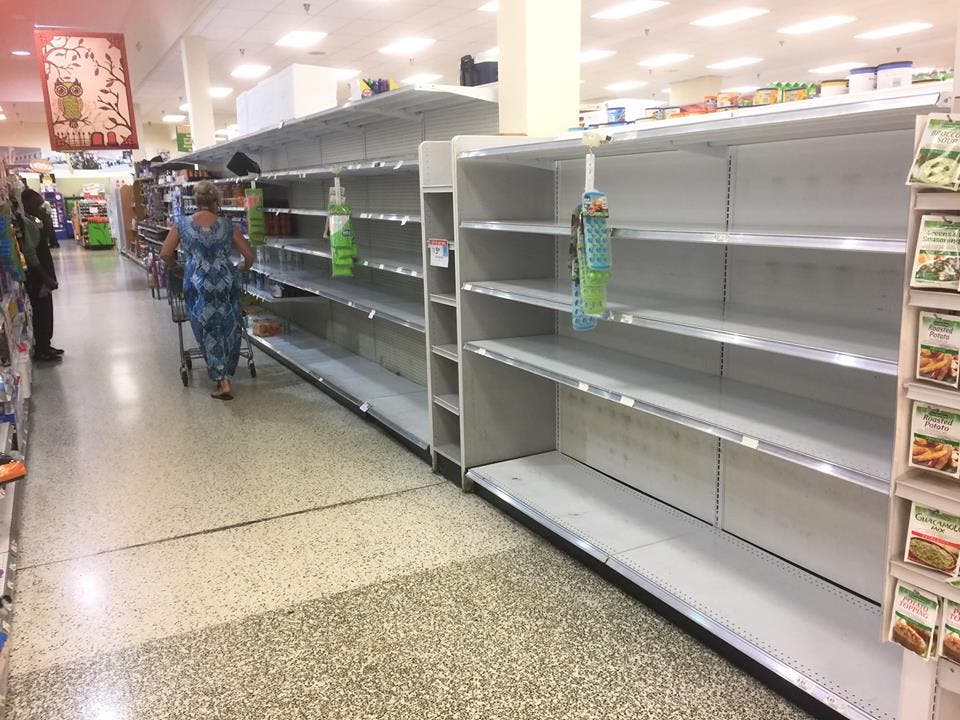
Hurricane Matthew tracking image courtesy of NOAA. Photos of South Floridians bracing for the storm by Paul Scicchitano
Get more local news delivered straight to your inbox. Sign up for free Patch newsletters and alerts.