Crime & Safety
Valentine’s Day Flower Imports Inspected For Pests At Miami International Airport: Customs
More than 1.4 billion flowers were imported into MIA for Valentine's Day. U.S. Customs and Border Protection inspected them all for pests.


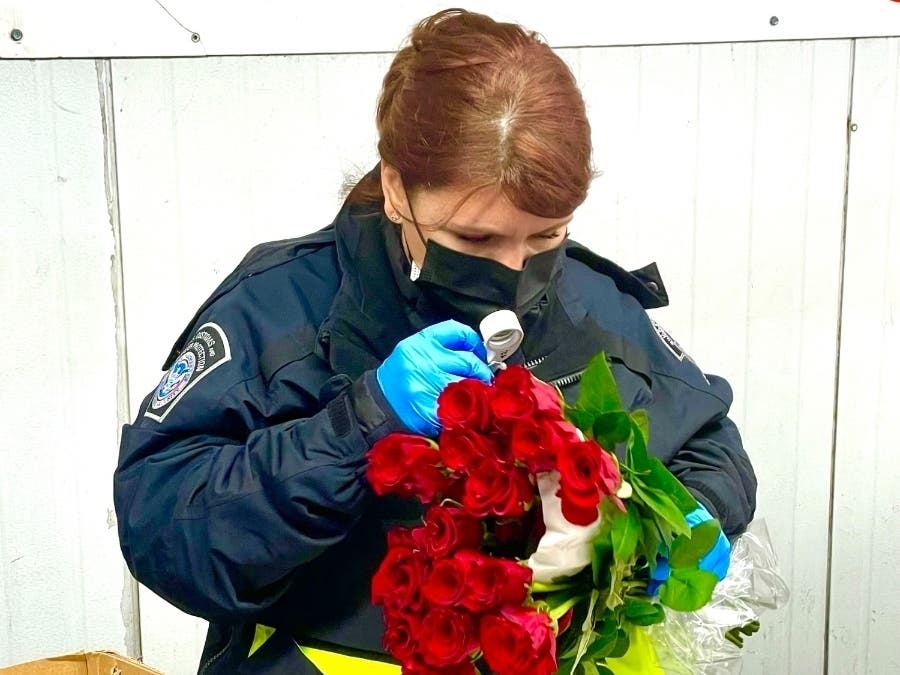
MIAMI, FL — Ahead of every Valentine’s Day, importers rush to send flowers into the United States via cargo flights landing at Miami International Airport.
And every year, the U.S. Customs and Border Protection’s agriculture specialists inspect the incoming flowers for harmful pests before they’re shipped throughout the country for the holiday.
MIA received an average of 300,000 flower stems imported daily from Jan. 1 to Feb. 15. That’s more than 1.4 billion flowers, according to a news release from CBP.
Find out what's happening in Miamifor free with the latest updates from Patch.
The airport receives 91 percent of all flowers imported to the U.S., most of them coming from South America, totaling more than 236,000 tons of flowers valued at nearly $1.2 billion annually.
MIA is the largest U.S. gateway for Latin America and the Caribbean and is one of the leading freight airports in the world, the agency added.
Find out what's happening in Miamifor free with the latest updates from Patch.
“It’s critically important not only to consumers, but to the vitality of the U.S. economy that cut flower imports are carefully inspected by CBP Agriculture Specialists. Some of these flowers may carry hitchhiking pests and diseases that could cause millions of dollars in damage to the U.S. flower industry and beyond,” CBP said.
Most flowers entering the U.S. are safe, but “even one hitchhiking pest or plant disease can cause significant damage to American agriculture,” the agency added.
Valentine’s Day is the busiest time of year for CBP’s agriculture specialists at MIA. Last year, they processed nearly 848 billion stems of cut flowers. During these inspections, there were 1,366 plant pest interceptions. Of those, 802 or 59 percent were considered “actionable” by the agency, meaning the concerns were significant enough that the flowers needed to be treated, re-exported, returned to the shipper or destroyed.
In addition to cut flowers, CBP’s agriculture specialists also facilitate the movement of fresh fruits, vegetables and herbs brought into the U.S. By inspecting these items, they’re protecting American agriculture by intercepting foreign plant pests and diseases and detecting and preventing agro-terrorism and bioterrorism.
The agency oversees more than 300 ports of entry. Invasive species have caused $138 billion in economic and environmental losses in the U.S. each year, CBP said. This includes yield and quality losses for the country’s agriculture industry.
Get more local news delivered straight to your inbox. Sign up for free Patch newsletters and alerts.