Neighbor News
Pages & Places
Covering both literary content and the best places and events around Florida, Ireland & the great beyond (Week #1, 9/16/24)


Today, I'm not sure if I feel more Irish or Floridian––which I must admit, I am neither. However, having spent a year living in County Tipperary, only to then relocate to the Orlando area this past May, I'm told my journey as an Irish-adjacent person is near completion. As many Irish diaspora seek warmer locales, Orlando (and Florida-at-large) is a favored destination next to Australia for those who wish to truly sizzle and don't mind even bigger bugs.
My Irish journey really begins through my husband–an O'Connor whose family hails from County Kerry, or as my husband likes to put it "a place that is more Appalachia than Appalachia," as the linguistics and infrastructure in the West of Ireland confound many a visitor just as Appalachian English heard in parts of Tennessee, Alabama, Kentucky and Mississippi confuse many an unfamiliar guest.
It's been a delight learning about Irish-English and its unique phrasing found throughout all of the country–dialect and accents aside, Irish-English, also known as Hiberno-English, is a set of dialects of English, native to the island of Ireland. A common example of Hiberno-English that many are familiar with but may still be confused by is the 'after perfect' construction indicating recent past actions: "I am after having a bit of tea" means you've just had your tea and not that you are going out for tea.
Find out what's happening in Orlandofor free with the latest updates from Patch.
Another fascinating subset of Hiberno-English–which I find adopting for oneself a bit poetic–is that there really is no form of 'yes' or 'no'. Instead, you would just repeat the verb used in the question:
Question: "Would you like a bit of tea?"
Find out what's happening in Orlandofor free with the latest updates from Patch.
Response: "I will now."
The development of Hiberno-English is more than a linguistic evolution—it's a window into the history of subjugation and cultural resilience. In the 17th century, thousands of Irish people were forcibly transported to the West Indies by Oliver Cromwell, serving as indentured servants alongside enslaved Africans. While indentured servants retained some legal rights, enslaved Africans did not. Historians suggest that Hiberno-English may have emerged from this shared experience, as both groups clung to the structures of their native languages, blending them into a unique form of English. This linguistic fusion is thought to have influenced not only Hiberno-English but also the development of African-American Vernacular English (AAVE), highlighting a legacy of cultural exchange born from oppression.
This is why the habitual be, also called invariant be, is the use of an uninflected be in AAVE, Caribbean English and Hiberno-English to mark habitual or extended actions:
"I do be praying for you" or "And who is the gentleman does be visiting there?" (James Joyce, Ulysses)
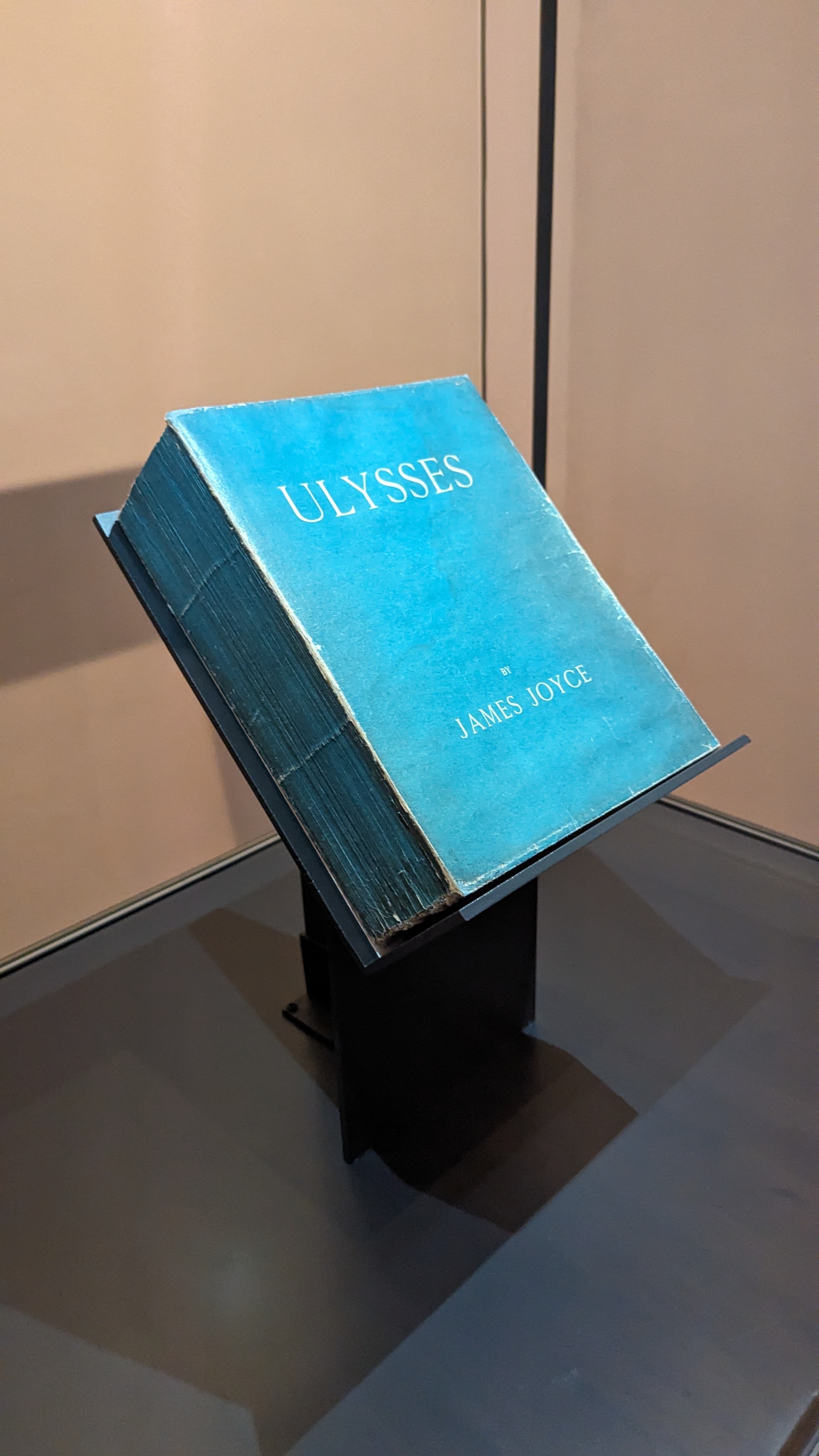
I look forward to visiting Co. Sligo this coming week (although not as much Irish speaking there) and then heading down into the smaller towns of Co. Kerry–Knocknagoshel and Muinganear to be precise–both rural areas close to gaeltacht speaking communities where the Irish language reigns supreme. 📖
Cammie Basseri is writing a memoir about being raised by disabled parents & living off the grid in Yosemite. She lives with her husband, daughter & cats, sometimes in Florida & sometimes in Ireland. You may visit her website at www.cammiebasseri.com or follow her on Facebook by clicking here.