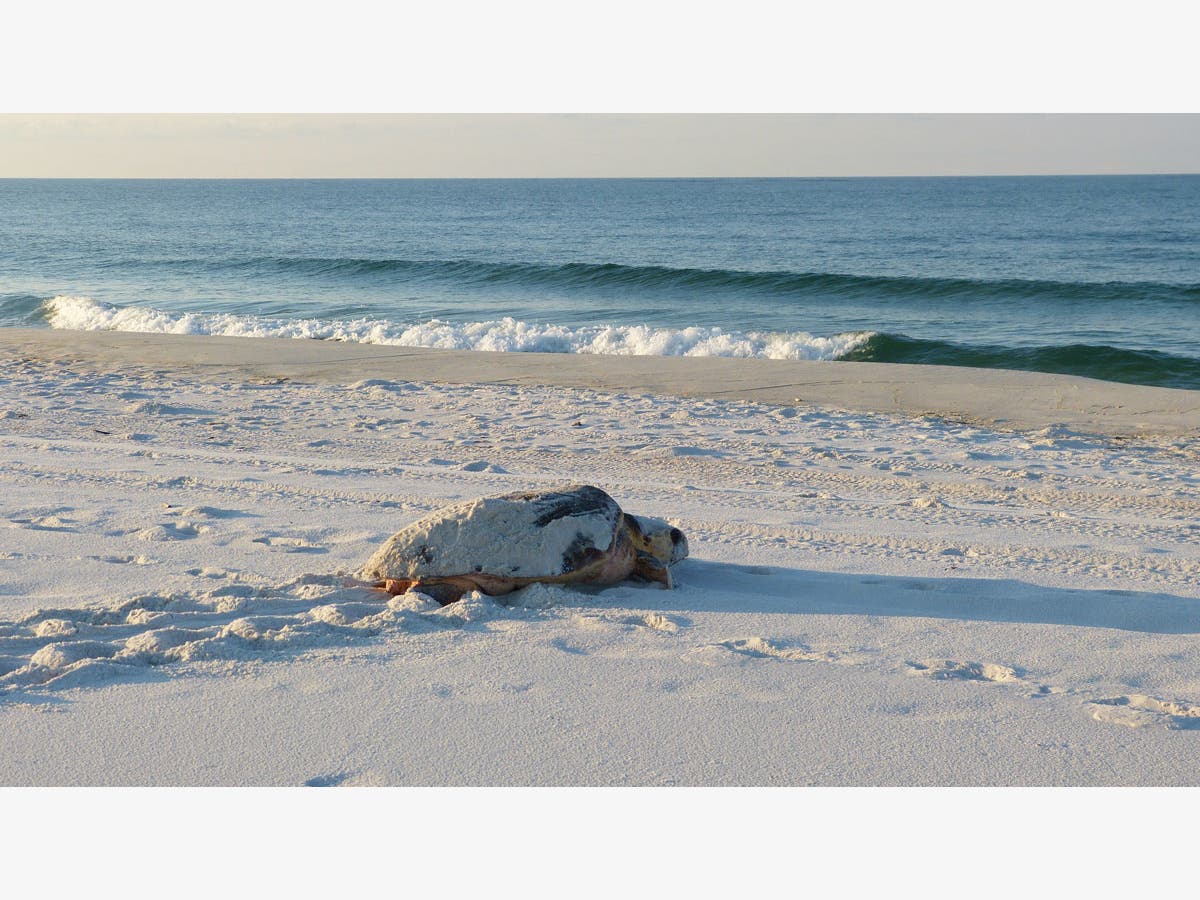
Decades ago, Beverly McCay’s family moved to Pensacola Beach, Florida, becoming the eleventh household to stay there year-round. As only a handful of families made the town their permanent home, neighbors and playmates were sparse at times. Luckily, Beverly had the Gulf of Mexico. The white sands of Pensacola Beach became her playground.
Though she left to pursue her education and later a job, memories of a childhood spent on the beach kept calling McCay back. Eventually, she returned to work at a small hotel that overlooked the pristine waters she grew up on. As the General Manager, McCay is coming up on her 33rd year at the Holiday Inn Express Pensacola Beach. Today, Beverly loves living here for the same reasons she did as a girl – a forgiving climate, ample flora and fauna, and an incredible stretch of coastline. She’s not sure why anyone would want to trade all that in for a future of dirty offshore drilling.
April 20, 2010 was a day McCay will never forget. She remembers exactly where she was and what she was doing when she learned of the Deepwater Horizon disaster. BP’s Deepwater Horizon rig exploded following a blowout to an exploratory well less than 50 miles from Louisiana’s coast. The explosion ended innocent lives and set off a cascade of tragedies for Gulf ecosystems and economies.
Find out what's happening in Pensacolafor free with the latest updates from Patch.
“Immediately, I started thinking about the impacts,” McCay said. And she couldn’t stop – from the shocking volume of oil still escaping the well to the lack of real plans for capping it. She felt heartbroken for the wildlife being harmed by the spill. Working at a beachfront hotel, she worried about business too. In the weeks that followed, the hotel started filling up with more government employees than tourists. They were there to work—monitoring the environment and measuring changes from oil exposure—so these guests brought in a fraction of the revenue compared to vacationers.
In early June, one worker told her, “It’s here.” Oil from the still flowing blowout had begun washing ashore. A mousse-like, dark brown substance coated Pensacola Beach. The disgusting sludgy mess prevented onlookers from walking to the water’s edge. It sat there for some time. As days passed, tides came and went, drawing fresh sand over the slick and eventually covering it. But McCay knew that oil still lurked beneath the surface. Pensacola Beach was covered with layers and layers of sand and oil neatly sandwiched together.
Find out what's happening in Pensacolafor free with the latest updates from Patch.
McCay has a long-practiced, summertime ritual where she goes into the warm Gulf waters at least once a week, for a peaceful recharge that always makes her feel human. When the oil washed up, she thought, “That’s it. It’s over, I can’t get in that water.” Beverly never wants to relive the BP disaster and opposes the Trump administration’s proposal for more drilling. She said, “Drilling even closer to Florida’s beaches can’t be an option. Our economy is so dependent on the coastline: when the environment is down, so is the economy.” McCay wants her elected officials to step up and learn from Deepwater Horizon. For once, we have the chance to prevent new offshore drilling from the start, instead of trying to fix the fallout. McCay knows from experience, the fallout is tragic.