Health & Fitness
Florida Zika Travel Warning Could Last a Year, CDC Chief Says
Gov. Rick Scott is calling on the federal government to do its part in fighting the Zika virus.



TAMPA BAY, FL — As the U.S. Centers for Disease Control and Prevention's director issued a potential blow to south Florida tourism Wednesday, Gov. Rick Scott aired his grievances about the federal government’s lack of action to help fight the Zika virus. Congress adjourned for its summer break in mid-July without approving a $1.1 billion funding package that would have helped combat the virus’ spread.
Four people in Miami-Dade and Broward counties became the first in the nation to test positive for locally acquired Zika virus late last week. Shortly thereafter, another 11 locally acquired cases were confirmed, bringing the state’s total to 15. In all 15 cases, the exposure has been blamed on mosquitoes in the Miami area.
As of Wednesday, the state also had 336 confirmed travel-related cases of Zika virus, meaning patients were exposed to the illness while traveling outside of the country. Fifty-five pregnant women in the state have also tested positive for the virus, bringing the state's total of cases to 406.
Find out what's happening in Sarasotafor free with the latest updates from Patch.
The CDC on Monday issued a travel advisory for pregnant women and those wishing to become pregnant who are considering a trip to the 1-square-mile area of Miami affected by the virus. That advisory, CDC Director Tom Frieden told The Washington Post, could last up to a year.
"When dengue hit Florida a few years ago, it took over a year to control that outbreak," Frieden explained to the post.
Find out what's happening in Sarasotafor free with the latest updates from Patch.
Earlier this year, Frieden told members of Florida’s Congressional Delegation he was concerned about the dangers Zika posed.
“We can’t protect women and children,” Frieden said.
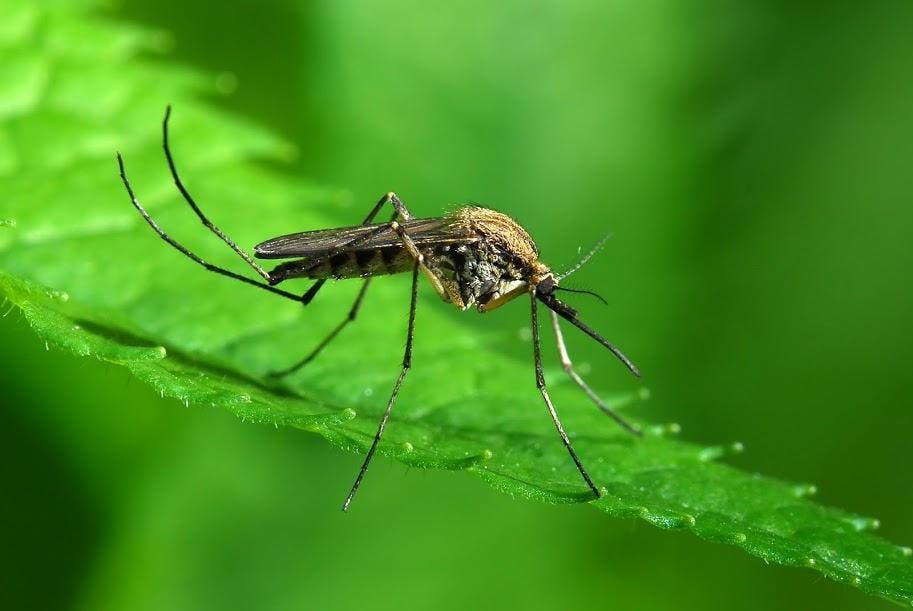
The mosquito responsible for spreading the virus is harder to kill than an ordinary mosquito, Frieden told the delegation. “This is the cockroach of mosquitoes. It lives indoors and outdoors, bites both day and night, and bites four or five at a time.”
Fighting that mosquito and making sure the area of local transmission remains contained to Miami’s Wynwood neighborhood are issues very much on the mind of Scott.
“At this time, (the Florida Department of Health) continues to believe that active local transmissions are only occurring in the same one square mile area of Miami,” Scott said in a Wednesday statement. “While this is good news, and proof that our education and mosquito control efforts are working, we will not become complacent and will continue to aggressively fight against the Zika virus.”
While Scott vowed in his statement that the state would continue its efforts to battle the virus’ spread, he blasted the federal government’s lack of response in an interview with CNBC.
"Think about this, this is not just a Florida issue,” Scott told the network Wednesday. “This a national, international issue. We're just the tip of the spear. They should be our partner, and they haven't been our partner so far.”
Earlier this year, President Barack Obama requested $1.9 billion in funding from Congress to help pay for mosquito control, research into a vaccine and other measures to combat Zika within the country. While that proposal received some support from both Democrats and Republicans, the issue ultimately became bogged down in Congress.
A bipartisan compromise bill was eventually floated, but failed. Another attempt was made before the summer recess, but that, too, failed due to disputes about provisions that would have restricted funding for birth control in the United States and Puerto Rico, NBC reported. The failed July bill also represented a significant reduction in Obama’s requested $1.9 billion with only about $1.1 billion allotted.
Congress isn’t expected to reconvene until September.
Zika virus is a mosquito-borne illness that is characterized by a fever, rash and joint pain. While the illness typically resolves within a week, some severe cases may require hospitalization.
The CDC has confirmed that the Zika virus is responsible for causing severe defects in unborn children, including microcephaly, which leaves babies with abnormally small heads and often with brains that do not develop properly.
Until last Friday, the 1,400 or so cases identified in the U.S. had all been contracted while people were traveling out of the U.S. or through sexual transmission. The CDC has confirmed a number of sexually transmitted Zika virus cases in the country.
See also:
- U.S. Mosquitoes Transmit Zika Virus for First Time
- CDC Issues Travel Advisory for Miami Area
- U.K. Issues Zika Virus Travel Advisory for Florida
- Florida Promises ‘Aggressive Mosquito Control Efforts’
- Zika Virus in Florida: March of Dimes Offers Advice, Warnings for Pregnant Women
- Congress Vacations While Zika Virus Spreads Locally in U.S.
- Florida Zika Virus Update: Non-Travel-Related Case Under Investigation
- 1st Baby Born With Zika Virus-Related Defect Born In Florida
- Zika Virus in Florida: What Pregnant Women Need to Know
- CDC Records First Female-to-Male Zika Virus Transmission
The CDC recommends women who are pregnant or are considering becoming pregnant postpone travel to areas where there is widespread Zika infection.
To help Florida residents resolve questions about the virus and its spread, the state has set up a Zika Virus Information Hotline at 1-855-622-6735. The hotline has fielded more than 2,887 calls since it was launched Feb. 12, the state reported.
For more information on Florida’s response, visit Scott’s website.
Image via Shutterstock/Map courtesy of the State of Florida
Get more local news delivered straight to your inbox. Sign up for free Patch newsletters and alerts.