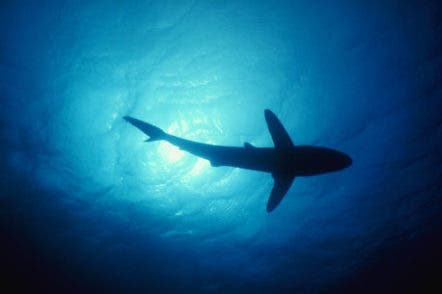
A 25-year-old man is recovering from minor injuries after being attacked by a shark at Daytona Beach on Sunday.
The man was surfing in waist-deep water at the time of the 7 p.m. attack, Bay News 9 reported. While the shark was not seen, officials say the man suffered minor lacerations on his foot. He was able to be treated at the scene.
The man, who has not been identified, is just one of several recent shark attack victims in Florida. The state leads the nation and the world for the number of attacks recorded each year. Many of those attacks, like Sunday’s in Daytona Beach, result in minor injuries. Some, however, are more serious.
Find out what's happening in Sarasotafor free with the latest updates from Patch.
Back in June, a boy was airlifted from Cocoa Beach after encountering what may have been a bull shark. He was also in waist-deep water at the time. That attack came on the heels of several others along the east coast. Florida’s west coast has also witnessed a few shark-related incidents this year. A 60-year-old man was hospitalized when bitten in 2 feet of water while at the beach on Marco Island.
See Also:
Find out what's happening in Sarasotafor free with the latest updates from Patch.
- Boy Airlifted After Shark Attack at Cocoa Beach
- Shark Bites Man in 2 Feet of Water
- Rare Great White Shark Encounter Caught on Camera
- Huge Florida Shark Swarm Caught on Film
- Great White Attacks Fishing Boat
- Shark Attacks: What Are The Odds?
Shark encounters are quite common in Florida. The state leads the nation in attacks with 28 bites on record in 2014 alone. East coast counties top the state in the number of attacks with Volusia County taking dubious first-place honors in 2014 with 10 documented bites. Brevard trailed with eight. While the number of bites was up, researchers say there were no fatalities in 2014. The last shark-attributed fatality on record in Florida dates back to 2010.
Whether Florida will lead the nation and the world in the number of attacks in 2015 remains to be seen, but George Burgess, director of the Florida Program for Shark Research at the Florida Museum of Natural History on the University of Florida campus, said people need to remember “there has to be an understanding when you enter the sea, it’s a wilderness experience.”
To learn more about sharks in Florida, visit the Florida Museum of Natural History online.
Get more local news delivered straight to your inbox. Sign up for free Patch newsletters and alerts.