Health & Fitness
Death, Injuries By Fireworks Increases 25 Percent In Last 15 Years
Last year, nine people were killed by fireworks and 11,500 went to the emergency room with injuries.


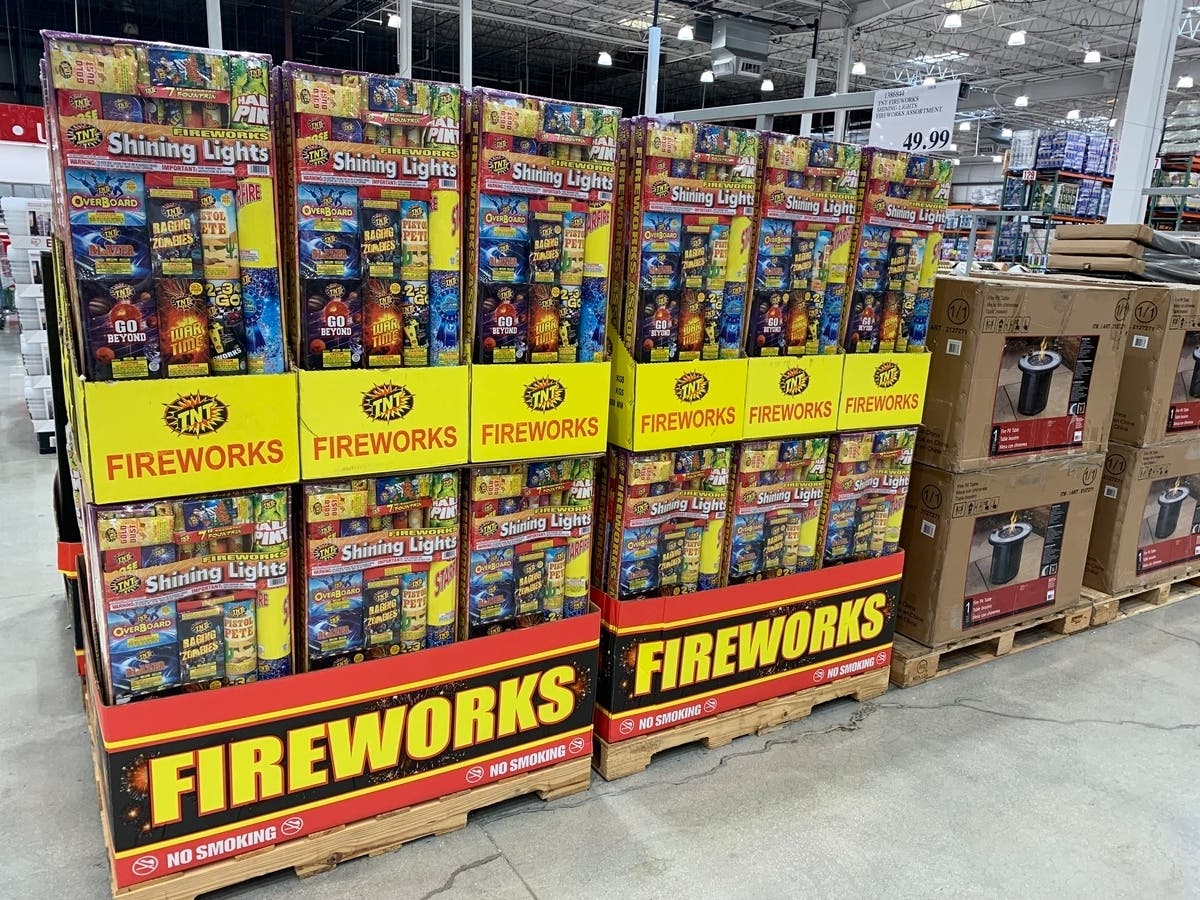
FLORIDA — Each Fourth of July, thousands of people, most often children and teens, are injured while using consumer fireworks.
According to the U.S. Consumer Product Safety Commission, over the past 15 years, there has been an increase in the number of people injured during Independence Day festivities.
A new report by the CPSC finds a significant upward trend in fireworks-related injuries. Between 2006 and 2021, injuries with fireworks climbed 25 percent in the U.S., according to CPSC estimates.
Find out what's happening in Tampafor free with the latest updates from Patch.
Last year, at least nine people died, and an estimated 11,500 were injured in incidents involving fireworks.
“It’s imperative that consumers know the risks involved in using fireworks, so injuries and tragedies can be prevented. The safest way to enjoy fireworks is to watch the professional displays,” said CPSC Chairman Alex Hoehn-Saric.
Find out what's happening in Tampafor free with the latest updates from Patch.
He added that “CPSC’s Office of Compliance and Field Operations continues to work closely with other federal agencies to prevent the sale of illegal consumer fireworks.”
CPSC’s report shows:
- Of the nine U.S. deaths, six were associated with firework misuse. One death was associated with a mortar launch malfunction and two incidents were associated with unknown circumstances.
- There were an estimated 11,500 emergency room-treated injuries involving fireworks in 2021—down from the spike (15,600) experienced in 2020 during the first year of the COVID-19 pandemic when many public displays were cancelled.
- An estimated 8,500 fireworks-related injuries (or 74 percent of the total estimated fireworks-related injuries in 2021) occurred during the one-month special study period between June 18 and July 18 last year.
- Young adults 20 to 24 years of age had the highest estimated rate of emergency department-treated, fireworks-related injuries in 2021.
- In 2021, there were an estimated 1,500 emergency department-treated injuries associated with firecrackers and 1,100 involving sparklers.
- In 2021, the parts of the body most often injured by fireworks were hands and fingers (an estimated 31 percent of injuries) along with head, face and ears (an estimated 21 percent).
- About 32 percent of the emergency department-treated fireworks-related injuries in 2021 were for burns.
- In 2021, approximately 31 percent of selected and tested fireworks products were found to contain noncompliant components, including fuse violations, the presence of prohibited chemicals and pyrotechnic materials overload.
The CPSC urges consumers to celebrate safely this holiday by following these safety tips:
- Never allow young children to play with or ignite fireworks, including sparklers. Sparklers burn at temperatures of about 2,000 degrees Fahrenheit—hot enough to melt some metals.
- Keep a bucket of water or a garden hose handy, in case of fire or other mishap.
- Light fireworks one at a time, then move quickly away from the fireworks device.
- Never try to relight or handle malfunctioning fireworks. Soak them with water and throw them away.
- Never place any part of your body directly over a fireworks device when lighting the fuse. Move to a safe distance immediately after lighting fireworks.
- Never point or throw fireworks (including sparklers) at anyone.
- After fireworks complete their burning, to prevent a trash fire, douse the spent device with plenty of water from a bucket or hose before discarding the device.
- Make sure fireworks are legal in your area, and only purchase and set off fireworks that are labeled for consumer (not professional) use.
- Never use fireworks while impaired by alcohol or drugs.
Largo Fire Rescue offers the following alternatives to combustible fireworks:
- Head to a fireworks display put on by professionals or a laser light show, an Earth-friendly alternative because the lights can be used time and time again.
- Celebrate with biodegradable confetti and confetti sticks. The confetti is a collection of decorative celebratory bits that break down or degrade by natural processes without causing harm to the environment.
- Glow sticks are a fun way to light up without the danger of combustible fireworks.
- Bubbles and noisemakers are always a hit with and allow them to create the illusion of fireworks.
Safe Grilling
- If fireworks are the cause of most injuries on the Fourth of July, back-yard grilling is a close second.
- According to the National Fire Protection Association, 64 percent of American households have a gas grill, and grill fires are most common in July.
- Unfortunately, grill-related accidents are common. In a typical year, more than 10,000 fires are started by grills, and 19,000 people are hospitalized because of mishaps involving grills.
- If you're grilling outdoors this weekend, the NFPA offers the following safety tips:
- Propane and charcoal barbecue grills should only be used outdoors.
- The grill should be placed well away from the home, deck railings and out from under eaves and
- overhanging branches.
- Keep children and pets at least 3 feet away from the grill area.
- Keep your grill clean by removing grease or fat buildup from the grills and in trays below the grill.
- Never leave your grill unattended.
- Always make sure your gas grill lid is open before lighting it.
- There are several ways to get the charcoal ready to use. Charcoal chimney starters allow you to start the charcoal using newspaper as a fuel.
- If you use a starter fluid, use only charcoal starter fluid. Never add charcoal fluid or any other flammable liquids to the fire.
- Keep charcoal fluid out of the reach of children and away from heat sources.
- There are also electric charcoal starters, which do not use fire. Be sure to use an extension cord for outdoor use.
- When you are finished grilling, let the coals completely cool before disposing in a metal container.
- When using a propane grill, check the gas tank hose for leaks before using it for the first time each year. Apply a light soap and water solution to the hose. A propane leak will release bubbles if your grill has a gas leak.
- Turn off both the gas tank and the grill. If the leak stops, get the grill serviced by a professional before using it again. If the leak does not stop, call the fire department.
- If you smell gas while cooking, immediately get away from the grill and call the fire department. Do not move the grill.
- If the flame goes out, turn the grill and gas off and wait at least five minutes before re-lighting it.
Get more local news delivered straight to your inbox. Sign up for free Patch newsletters and alerts.