Health & Fitness
Need For Masks Reiterated As Cases Increase Among Millennials
"We spent a month or two developing great new habits and, in a day or two, those habits have gone out the window:" Commissioner Dave Eggers.


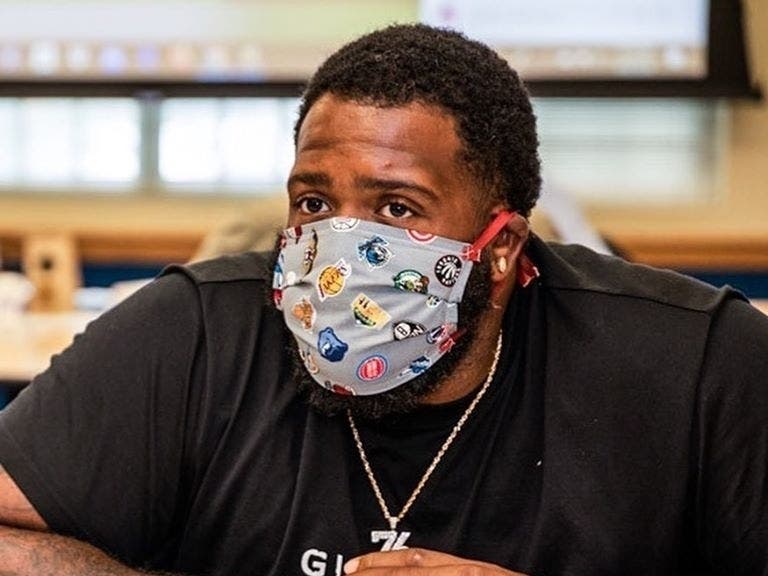
TAMPA, FL — Tom Brady's ears must have been burning Thursday. The new quarterback for the Tampa Bay Buccaneers was mentioned twice as a possible spokesman to encourage millennials to don face masks and take other coronavirus precautions seriously following an uptick in positive cases.
The sudden increase in coronavirus cases was the topic of conversation at both the Hillsborough County Emergency Planning Organization and the Pinellas County Commission meetings Thursday.
Alarmed after experiencing single-day record numbers of positive cases, both governmental bodies are looking for ways to re-emphasize the need for residents to take precautions.
Find out what's happening in Tampafor free with the latest updates from Patch.
While the number of elderly residents, the most vulnerable to serious impacts from the virus, have gone down in both counties, the number of people in 25- to 34-year-old age group is increasing at an alarming rate, said Dr. Douglas Holt, director of the Florida Department of Health in Hillsborough County.
Two weeks ago, 21 percent of people in that age group in Hillsborough County tested positive for the coronavirus. In the past 14 days, that percentage rose to 56.
Find out what's happening in Tampafor free with the latest updates from Patch.
Holt acknowledged that part of this can be attributed to increased testing. Hillsborough County has now tested about 5 percent of the population totaling 27,000 tests.
Holt said the concern isn't that younger populations are contracting the coronavirus as they return to work and social lives. Only 20 percent of people in that age range get sick enough to require hospitalization.
He said the problem is their happy-go-lucky attitude is leading fewer millennials to use face masks and avoid crowds. They then risk exposing an elderly person or person with an underlying health condition when they casually pop into the grocery store on their way to the beach.
"Our elderly are paying a high price because they are the most vulnerable, and they know it," Holt said. "While we see the virus spreading in our community, these people have to stay in their rooms and are separated from their families."
Pinellas County Commissioner Dave Eggers shared those concerns, noting that on Wednesday the county saw its largest single-day increase in positive cases — 123.
"We spent a month or two developing great new habits and, in a day or two, those habits have gone out the window," Eggers said. "If you’re not worried about yourself, worry about other people, like the older people in the grocery store."
Dr. Ulyee Choe, director of the Florida Department of Health in Pinellas County, said, unfortunately, these vulnerable residents have no choice but to go to the grocery store or drug store to purchase items they need. And the county can't force these businesses to require customers to wear face masks.
"Enforcement needs to be coming from the businesses," Choe said.
He added that people need to understand that masks do prevent the spread of the coronavirus if they're worn correctly.
"If it’s not covering your mouth and nose, you might as not be wearing it," he said.
"I remember being younger and feeling invincible, too," said EPG chairman Les Miller. "But we need them (masks) to protect the more vulnerable."
Choe said that sense of invincibility may be one reason people in their 20s and 30s are the largest-growing group in Pinellas County to test positive for the coronavirus.
"Nothing has changed," he said. "The virus will be around for the unforeseeable future. There is no cure; there is no vaccine. Wearing masks, washing your hands and practicing social distancing is all you can do. I wear a mask not necessarily for myself but to prevent me from passing the virus along to those who are elderly or have a chronic disease."
Choe said media reports following a news briefing by Tedros Adhanom Ghebreyesus, director general of the World Health Organization, on Friday didn't help the situation.
The headlines from the briefing announced that WHO had reversed its earlier stance on the need to wear masks based on new research.
But if people read past the headline, said Choe, they'd see quotes by Ghebreyesus maintaining that masks protect health care workers and people age 60 and over.
"In areas with widespread transmission, the WHO advises medical masks for all people working in clinical areas of a health facility, not only workers dealing with patients with COVID-19," Ghebreyesus said. "Second, in areas with community transmission, we advise that people aged 60 years or over, or those with underlying conditions, should wear a medical mask in situations where physical distancing is not possible."
He said not only should people wear masks, they should be wearing three layers of masks to provide the best protection.
WHO said people can make their own three-layer masks by using an inner layer of an absorbent material, such as cotton or cotton blends; a middle layer made of a non-woven material polypropylene or cotton to enhance filtration of droplets; and an outer layer of a non-absorbent material such polypropylene, polyester, or their blends. Stretchy, porous materials should be avoided.
"We have better evidence that face coverings do make a difference, and it’s clear if we can get more people to do that regularly when they can’t do social distancing, we can prevent a second wave," said Donna Peterson, dean of the University of South Florida College of Public Health.
Holt concurred.
"If you are infected, you will begin to shed the virus two to three days after contracting it and that will continue for next 20 days whether you’re symptomatic or not," said Holt. "That’s the basis for the advice (to wear masks) and the studies are clear."
"It's important to remember this is a novel virus, and we don’t have a history on this," said Dr. Angus Jameson, director of Emergency Medical Services for Pinellas County. "Masks are a benefit. I wear one as well. This is an airborne virus, and we have no cure or vaccine so our primary tool to fight it is staying apart from other people and not breathing the same air as the person next to you. The more we learn about this virus, the more we don't know."
Pinellas County Administrator said he's not surprised to see the number of cases on the rise in Pinellas County.
"We talked about that happening as we reopen our economy," he said. "People have forgotten we still have a serious issue."
Both the Pinellas commission and the EPG discussed various ways to reiterate that message to young people as they go back to work, resume hanging out at bars and join mass protest marches.
Burke suggested that the two counties collaborate on a marketing campaign featuring high-profile athletes or performers.
"There’s always going to be people who think it doesn’t exist, that it’s a hoax," said Pinellas Commission chairwoman Pat Gerard. "Unfortunately, it has become very political so the messaging is so, so important."
She also suggested making masks a fashion statement. She said the county could join forces with a company to produce masks that show community pride or send the message that the person is wearing the mask because he or she cares about vulnerable people in the community.
Get more local news delivered straight to your inbox. Sign up for free Patch newsletters and alerts.