Schools
6 Tips to Prevent Prescription Drug Abuse in Children
Laurie Serra and her husband did not recognize the signs of prescription drug abuse in their son, Matthew. Now she's on a mission to help others.


ST. PETERSBURG - Every 31 hours in Pinellas County, a person dies from a prescription drug overdose.
That is the alarming statistic shared by Laurie Serra, who coordinates the Pinellas County Chapter of NOPE, Narcotics Overdose Prevention Education.
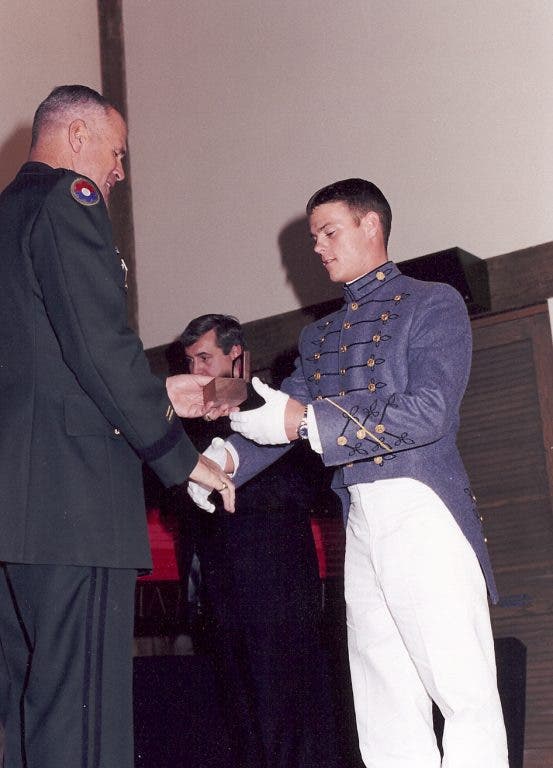
Serra also is step-mom to Matthew, who died from a prescription drug overdose. Her message to parents and children is simple but urgent: Our family is like your family. "We never thought our son would do something like that."
Find out what's happening in St. Petefor free with the latest updates from Patch.
Married, with a blended family of six children, Serra said she did not know enough about prescription drug abuse to notice the signs in her son. He played sports, the family worshipped together at church on Sundays. She and her husband thought they were doing all "the right things."
"Initially, we just didn't understand what was going on with Matthew," she said. They did not know that his loud snoring, constricted pupils, mood swings and erratic conversations were signs of drug abuse.
Find out what's happening in St. Petefor free with the latest updates from Patch.
"By the time we 'got it,' Matthew was in the middle of his prescription drug addiction," she said. "He never thought he would die." In 2008, he took his last breath alone in his Largo apartment.
"We want you to be more educated and 'get' what my husband and I wish we’d known," Serra tells families and students through the NOPE Task Force, which reaches out to schoolchildren each year.
EMOTIONAL MESSAGES ABOUT LOSS
NOPE gives multi-media presentations to Pinellas County middle and high schools; during the 2010-2011 school year alone the group delivered its campaign to 30,000 students.
NOPE originated in Palm Beach County in 2005, and the Serras helped bring NOPE to Pinellas County in 2010.
But the group does not offer the standard lecture on addiction and abuse. This is personal.
Serra and other members speak emotionally about the loss of loved ones to prescription drug abuse. The warnings are designed to hit home, delivered in a very intimate and understandable way.
"We consider (prescription drug addiction) to be the hidden epidemic in our state," Serra says. She notes that prescription drug abuse extends to all ethnicities and socio-economic backgrounds.
Someone does not need to be an addict to overdose and die. "Sometimes it just takes one pill," she said. "If you know someone who is abusing, get help."
TIPS FOR PARENTS
Serra offers tips to parents to help recognize and prevent prescription drug abuse in children:
1.) Talk to your children about the risks. Two out of three teens say that no one has ever tried to tell them about the dangers of pharmaceutical drug abuse. "They are not any safer than elicit drugs when they have not been prescribed by a doctor or if they are used in the wrong amount," she said.
2.) Have sit-down meals with your child, and find other times to spend together to build rapport. The family time allows parents to check in from their busy schedules and to listen to their children about what's going on in their lives. Building trust and maintaining it will make children feel safe about speaking up when they are in trouble or feel pressure from friends to abuse drugs or alcohol.
3.) "Don't be so naive to think your child would never do that." Serra uses her own family of high achievers as an example. She notes her son was a natural risk taker, making it more likely that he would take chances and think he could get away with them.
4.) Get to know your child's friends AND his or her parents. Don't just assume that the adults are making the right decisions in households where your children spend time. Perhaps your child's friend does not abuse drugs or alcohol but the parent does.
5.) Don't be afraid to stick your neck out. Parents may worry about speaking up, because they do not want to anger another child's parents, destroy relationships or get someone in trouble at school or with police. "This is beyond getting in trouble," she said. "It is about life and death."
6.) Finally, don't wait till your child is 16 to have these conversations. Start talking when they are beginning middle school and keep the conversations going through their teen years. Nationally, the average age of first use of drugs or alcohol is 12 years, 4 months.
FOR MORE INFORMATION
NOPE partners with parents, law enforcement and addiction specialists to spread the message about the tragedy of prescription drug abuse.
The volunteer task force will come to Pinellas County schools, both public and private, free of charge to talk with students, generally in school-wide assemblies.
If you want more information, go to the NOPE Task Force website. Although NOPE received funds to launch, it now relies on donations to operate. NOPE works closely with the Pinellas County Sheriff's Office.
You can reach Laurie Serra at 727-424-6906; email is Laurie.Serra@gmail.com
Learn more about Tampa Bay's Prescription Drug Issue:
Get more local news delivered straight to your inbox. Sign up for free Patch newsletters and alerts.