Community Corner
Coast Guard Saves 5 Lives Across Florida With Beacon Assistance
The Coast Guard reminds boaters the importance of having an emergency beacon on boats because it helps rescuers locate distressed boaters.


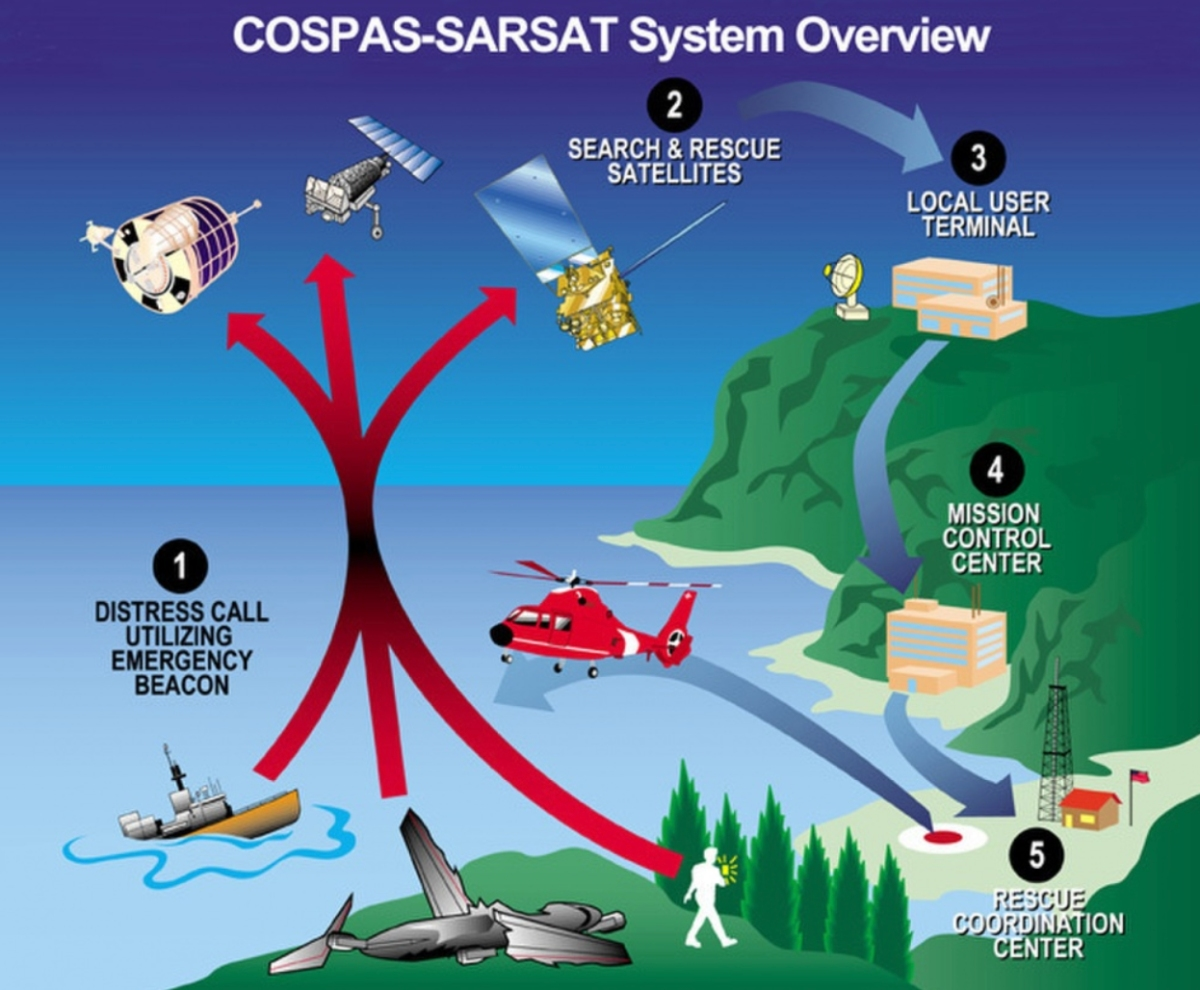
ST. PETERSBURG, FL — Five lives were saved in Florida this week by the Coast Guard in three separate search and rescue cases after emergency position-indicating radio beacons were activated that alerted Coast Guard watchstanders to mariners in distress, a Coast Guard news release said.
On Wednesday, Coast Guard Station Yankeetown and Air Station Clearwater rescue crews launched assistance after an emergency beacon was activated for a disabled 20-foot boat with two people aboard. The rescue crews worked with a commercial towing company and towed the boat back to shore.
"Of all the safety gear a prudent mariner carries, the EPIRB alerts the Coast Guard to their position and in these cases, resulted in saving five lives," said Chris Eddy, search and rescue specialist for the Seventh Coast Guard District in a news release. "The Coast Guard investigates every EPIRB alert, and it is important to update the registration to help avoid unnecessary searches."
Find out what's happening in St. Petefor free with the latest updates from Patch.
Air Station Clearwater and Coast Guard Cutter Crocodile rescue crews responded to the crew of the fishing boat El Lobo after they activated their beacon on Thursday after they ran out of fuel about 69 miles south of Clearwater.
The crew requested Coast Guard assistance to contact a commercial towing company on their behalf. The El Lobo crew is reported in good health.
Find out what's happening in St. Petefor free with the latest updates from Patch.
Air Station Miami and Coast Guard Cutter Bernard C. Webber rescue crews offered help after an emergency beacon was activated twice in the Miami area. While rescue crews exhausted all search leads, no one was found in distress.
The Coast Guard reminds boaters that working and registered beacons are important for vessels because they can save your life when regular communication avenues fail. Here are a few things you can do to ensure your beacon is properly working before getting out on the water in your boat:
- Check the batteries. Batteries must be replaced by the date indicated on the EPIRB label using the model specified by the manufacturer. It should be replaced by a dealer approved by the manufacturer. If the replacement battery is not the proper type, the EPIRB will not operate for the duration specified in a distress.
- Test it. 406 MHz EPIRBs can be tested through its self-function test, which is an integral part of the device.
- Is it registered? Every time a ship or beacon changes hands or gets thrown out, the registration needs to be updated. When an EPIRB is activated, search and rescue crews immediately contact the registered owner to guarantee it's not a false alert.
In addition to EPIRBs, the Coast Guard reminds mariners to:
- Check the weather before going on the water.
- Wear a life jacket.
- File a float plan by telling someone where you are going and when you'll return.
- Have a working VHF radio.
- Take a boating safety course.
To register your beacon, go to https://beaconregistration.noaa.gov/RGDB/.
Get more local news delivered straight to your inbox. Sign up for free Patch newsletters and alerts.