Home & Garden
Invasive 'Crazy Worm' Found In Several States, Including FL
Officials said the aggressive species threatens soil structure and can also harm plant roots. Here's how to spot it.


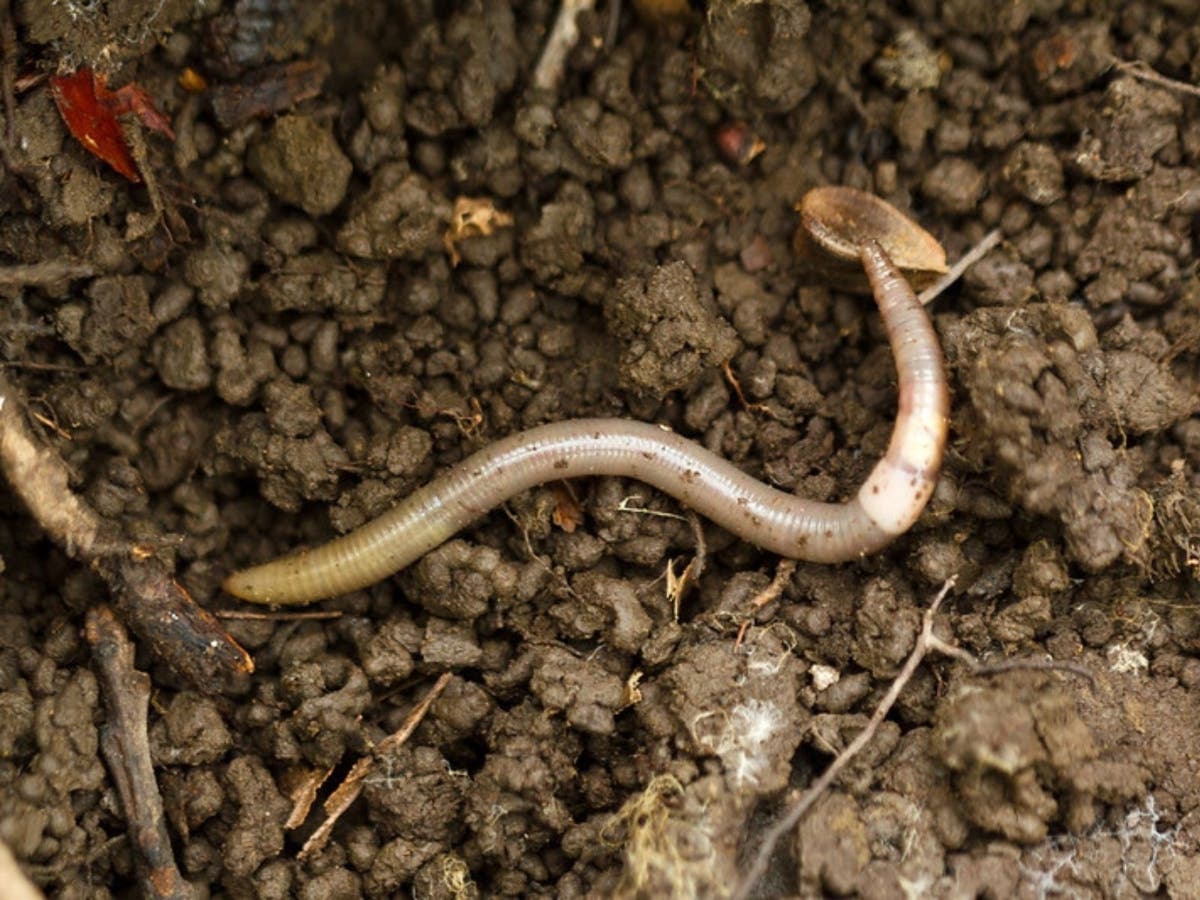
Agriculture officials are warning gardeners to be on the lookout for the Asian jumping worm after sightings of the invasive pest were reported in several states, including Florida.
On Tuesday, the Colorado Department of Agriculture issued a new invasive pest alert for the jumping worm, also known as the Asian crazy worm, snake worm or Alabama jumper.
While many earthworms are beneficial to the soil, adding nutrients for plants and helping with soil aeration, the jumping worm poses a significant ecological and economic threat, officials said.
Find out what's happening in St. Petefor free with the latest updates from Patch.
The jumping worm lives on the soil surface, rapidly consuming organic matter and leaf litter, which strips the soil of the critical layer needed to support native plants, wildflowers, and forest ecosystems.
According to a database maintained by the University of Georgia, at least two confirmed sightings of the jumping worm were reported in Florida — one in Monroe and another in Clay County.
Find out what's happening in St. Petefor free with the latest updates from Patch.
The worm has also been found in California, Michigan, Minnesota, Maine, Wisconsin, Iowa, Illinois, Indiana, Tennessee, Ohio, New Jersey, Kansas, Missouri, Nebraska, Oklahoma, Texas, Louisiana, Kentucky and New Hampshire.
Identifying & Preventing The Jumping Worm
According to the U.S. Department of Agriculture, the Asian jumping worm has been present in the U.S. since the late 1800s, but has been recently invading natural habitats in the Northeast and Midwest.
It's likely the species was introduced through the horticultural trade or by anglers using them as bait, officials said.
To identify the species, residents should look for long, red- to brown-colored worms that thrash and move erratically with a violent, snake-like motion when disturbed. A key difference from native earthworms is the clitellum, or the band around the body. The jumping worm's is milky white to light gray, flush with the body and completely encircles it.
The most obvious sign of an infestation is a uniform, granular soil texture on the surface, often described as looking like "coffee grounds," which are the worm's feces.
There are no effective eradication methods for the jumping worm, officials said, adding that residents and gardeners should follow these best practices for prevention:
- Do not move soil: Avoid moving soil, compost or potted plants from your yard if you suspect an infestation.
- Inspect materials: Always carefully inspect all potted plants and soil before moving, sharing or bringing them into your garden. Consider purchasing bare-root stock when possible.
- Check compost sources: When purchasing bulk mulch or compost, ensure it has been heat-treated to at least 130 degrees for three days by a reputable producer to kill the cocoons.
Get more local news delivered straight to your inbox. Sign up for free Patch newsletters and alerts.