Business & Tech
Is There Relief for Borrowers Drowning in 'Underwater' Mortgages?
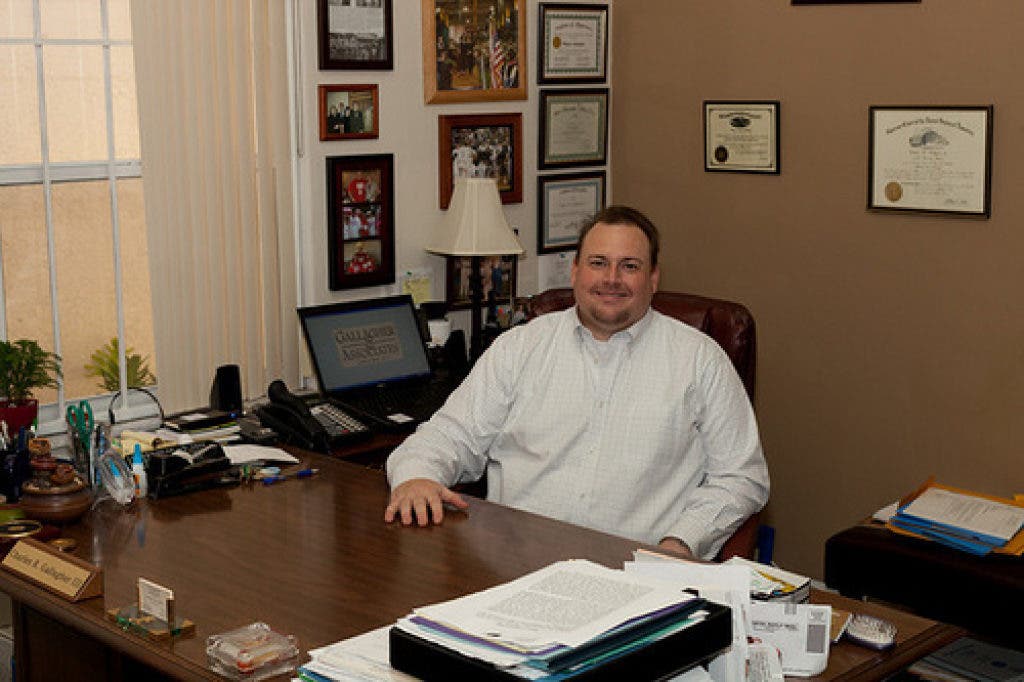
St. Petersburg attorney Charles Gallagher works with individual homeowners to negotiate lower mortgages and more reasonable payments with their lender.


Home values are not what they were five or six years ago. But many property owners only now are realizing how far prices have plummeted, with mortgage debt far exceeding the market value of many Florida homes.
Aptly named “underwater mortgages,” the debt is drowning many borrowers, who find themselves locked into 30-year payment plans that are way out of line with the real value of their homes.
St. Petersburg attorney Charles Gallagher, who specializes in foreclosure defense and mortgage bank litigation, spoke with Patch about new figures showing that nearly half of mortgages in the Tampa-St. Petersburg-Clearwater area are “underwater.” He talked about the effects of "underwater" mortgages on consumers and the local real estate market.
Find out what's happening in St. Petefor free with the latest updates from Patch.
Q. Why should homeowners be concerned about having an “underwater” mortgage, as long as they are making their monthly payments?
A. With underwater mortgages, the balance of the mortgage far exceeds the value of the house. I’m talking about a $100,000 to $200,000 difference, or more. Even when people can make the monthly payments, their money is wasted. They’re hemorraghing dollars but not making an appreciable reduction in their debt. Banks in the recent past had somewhat of a policy to inflate appraisals. Now those decisions have left the borrower in financial peril.
Find out what's happening in St. Petefor free with the latest updates from Patch.
Q. Are these underwater mortgages hitting middle class homeowners harder?
A. I’ve seen people with $50,000 homes and $2 million homes. This is not isolated to one demographic.
Q. Can't people just ride out the bad real estate market?
A. I've talked with a number of economists who see three or more years of this before the market starts to come back. The problem is that because of the large inventory of foreclosed homes, so many properties are available that the market is too flooded for values to bounce back to their previous values.
Q. What is the option for homeowners who can't pay their mortgage -- foreclosure or walking away from their debt?
A. Walking away is the worst thing to do. You lose your house and then there is also a judgment against you. If someone walks, there is a foreclosure sale and a property judgment that remains against the borrower. It is separate and apart from losing the house.
Q. What should someone do?
A. Fight back. Get counsel. We represent matters on mortgage foreclosure, but a large part of our work is bank litigation. We sue banks over their underwriting practices. Ultimately suing the bank to negotiate a settlement is a better option. You reduce the principal to the value of the property.
Get more local news delivered straight to your inbox. Sign up for free Patch newsletters and alerts.