Crime & Safety
Shooting Brings Changes To How Mental Health Calls Are Handled
A St. Pete police officer was justified in using deadly force in a case with mental health issues, but changes are urged: Investigation.


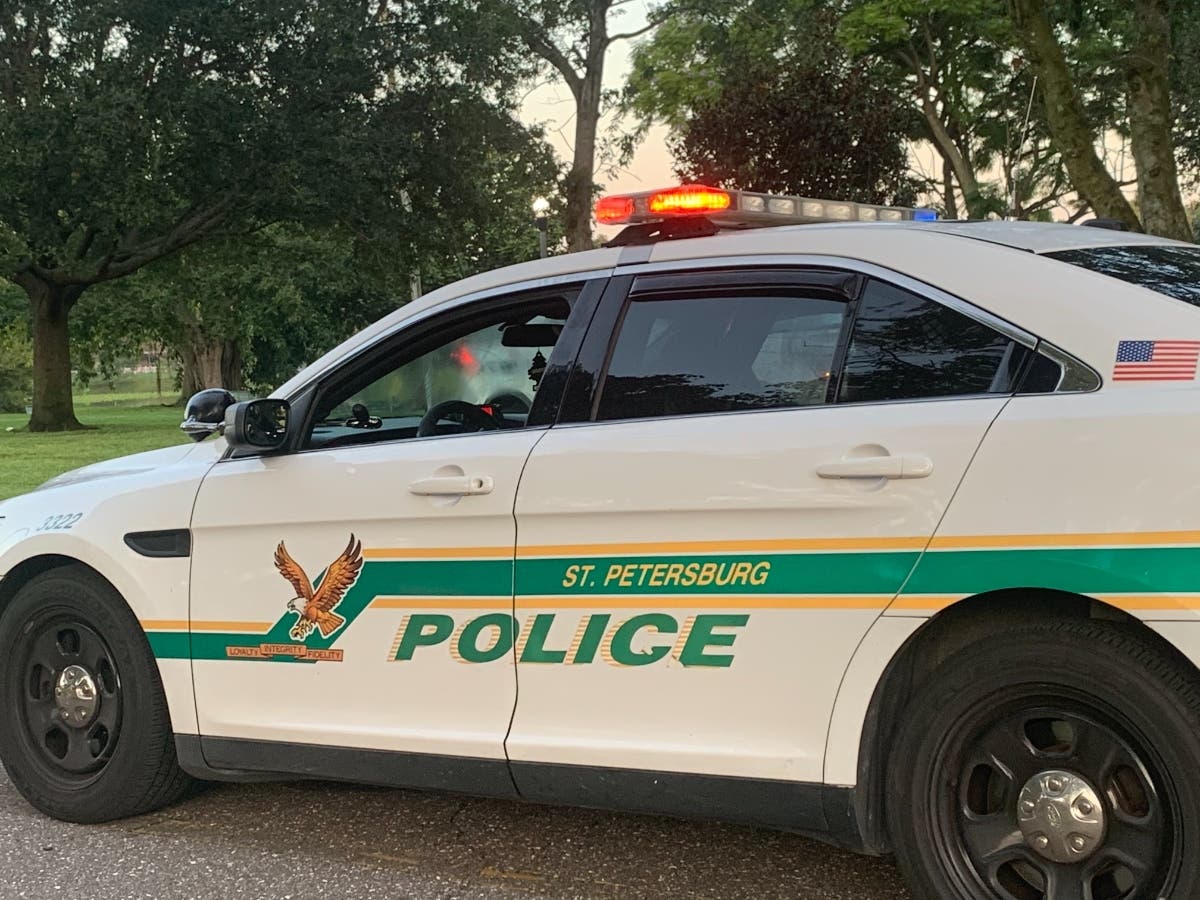
ST. PETERSBURG, FL — A St. Petersburg Police officer was justified in using deadly force when a man with mental health issues choked her, but investigators said changes are needed to improve how police respond to similar calls.
The Pinellas County task force investigated Officer Alison Savarese's fatal shooting of Jeffrey Haarsma on Aug. 7 at the French Quarter Condominiums in St. Pete. Authorities had received several calls about Haarsma after he threatened to execute or otherwise hurt neighbors, but Haarsma's mental health issues weren't shared.
Authorities have pledged to begin training to help officers respond to calls where someone with mental health issues is a threat, and dispatch center workers will be trained to gather and share more details about a person's history.
Find out what's happening in St. Petefor free with the latest updates from Patch.
"We, as a community, kept calling the police to solve a mental health issue," said St. Pete Police Chief Anthony Holloway. "For two years, police kept getting called. It showed in a report he had a psychologist. Where were we as a community doing more than just law enforcement during this two-year-time frame?"
The task force ensures another law enforcement agency looks into case where officers who are involved in a shooting while on duty. The Pinellas County Sheriff's Office is the supervising agency for the Haarsma shooting.
Find out what's happening in St. Petefor free with the latest updates from Patch.
Sheriff Bob Gualtieri sent a 16-page letter to Holloway and to media outlets on Wednesday that included the investigative findings tied to Savarese's actions.
"Despite Officer Savarese's use of deadly force being lawful, there are other aspects of the
investigation that raise concerns about how the officers investigated the matter on August 7th,
and overall whether information was known to SPPD that should have resulted in the matter
being handled as a mental health call as opposed to a misdemeanor petit theft investigation." Gualtieri addressed in his letter.
Chief Anthony Holloway said his department has started making changes to it communications policies between dispatchers, police and sergeants.
"The first thing that we want to address is CAD, computer aid dispatching," Holloway told Patch. "How was that call dispatched? How was the officer informed of what was going on? The officers were dispatched to a petty theft."
A CAD system is an electronic notepad 9-1-1 operators and police officers use to write notes to each other about a call the officer has been dispatched to. For example, a 9-1-1 operator could add extra details for officer safety in the notes such as, "Domestic violence call. Wife says husband has not taken medication for schizophrenia, and he is outside pacing in the yard screaming at cars. Wife says police came out three days ago, and he threatened officers."
Holloway explained that the CAD system they recently updated from didn't have information about red flag issues that involved residents, which on Aug. 7 would have been beneficial.
"Now our policy is if you get dispatched to a condo, apartment complex, it's going to tell you anybody in that complex that has a mental health issue," Holloway said. "So even though an officer may go to apartment 4, they may run into the person in apartment number one who might have mental health issues, and they'll be aware of this before they get to the complex."
The second change that revolves around mental health calls is a sergeant or supervisor will be notified and offer their guidance on how the person should be dealt with.
"The most crucial part of it is now the young officers are going to be in what's called 'Mental Health First Aid,'" said Holloway. "And that's the prerequisite to go into critical incident training, that's a 40-hour course."
Holloway said training is going to take some time with his 575 officers because only 60 officers a year from the department will undergo training.
"So if you do the math, it's going to take a long time to get there," said Holloway. "We're trying to get them to that stage. We're going to continue to keep getting better as you saw in the report those are the things we're going to have to do."
Holloway said that when he read the report, he saw that the system failed Haarsma because for two years police had responded to the deceased's home.
Holloway said the police department has a new unit that will fully be formed in January that will focus on and respond to calls dealing with mental health issues. He also said call-takers will be trained to get more crucial information for calls by asking the correct questions, and understanding the importance of relaying this information to officers.
The report states that SPPD received two calls about Haarsma the day before the shooting. Haarsma sent an email to a neighbor with subject line, "Crimes Against Humanity," and he wanted her to leave the complex. In the email, he said he wanted to attend the execution of the neighbor to prove to all of her victims that she no longer existed.
There were cautionary notes sent from dispatch to the officers who responded on Aug. 6 that Haarsma had a history of mental illness who had been violent toward officers in the past, so three officers responded to the call. However, the officers that responded took no action and did not write a police report.
Later on the same night at 8:36 p.m., another resident called police to report Haarsma had yelled and cursed at her the previous day. Officers did not respond and said it was a civil matter and referred the resident to the condominium association. The officer the resident spoke with was unaware of the earlier incident concerning Haarsma since a police report wasn't written.
On Aug. 7, the resident who had received the threatening email from Haarsma called police again at 7:30 p.m. to report Haarsma was taking furniture off her porch, the sheriff said.
According to the investigation, when the resident told the police communications that Haarsma needed to go to the hospital, there is no indication the call-taker conveyed that information to the responding officers through the computer aided dispatch notes or the police dispatcher.
The call notes received by officers Savarese and Kristen Thomas did not indicate any kind of
officer safety issue or precaution for the address or Haarsma.
According to the investigation, Savarese went to the apartment building's second floor landing by herself and approached Haarsma as he stood in front of his residence watering flowers.
Savarese told Haarsma that she was detaining him and reached out to take his arm to place him in handcuffs. Investigators said Haarsma resisted, fought with, and choked Savarese by placing his hands around her throat. Because she was having trouble breathing, Savarese fired two shots, which struck Haarsma in the chest.
According to the Pinellas County Sheriff's Office findings, SPPD responded eight times in 2017 to the French Quarter Condominiums in reference to calls related to Haarsma. In 2019, there were five calls made to SPPD related to Haarsma, and in 2020, there were 12 police calls made on Haarsma at the condominiums.
The report showed of all the dispatched calls regarding Haarsma, six resulted in a police report.
The state attorney also issued a letter on Sept. 1 finding that Haarsma's death was a justifiable homicide.
Related story: Officer Shoots Suspect In St. Pete As He Choked Her: Police
Get more local news delivered straight to your inbox. Sign up for free Patch newsletters and alerts.