Health & Fitness
'Super Lice' Still Bugging Florida Kids
The chemical resistant bugs have been found in 25 states, including Florida.


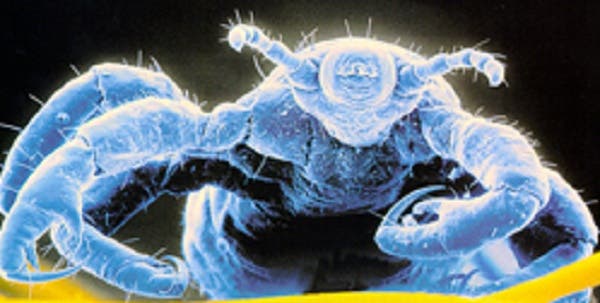
ST. PETERSBURG, FL — They’re creepy, crawly, multiply like guppies and they’re bugging kids in 25 states, including Florida. Super lice, researchers say, continue to pose challenges for parents and schools courtesy of their chemical-resistant nature.
Researchers warned about the spread of so-called super lice to 25 states just before the first bells of the 2015-16 school year sounded off in August. Now, as the academic year begins to wind down, it seems the critters are still posing itchy, scratchy problems in Florida and elsewhere.
This year’s spread of super lice has been particularly strong across the country, several national media outlets reported over the weekend.
Find out what's happening in St. Petefor free with the latest updates from Patch.
Kyong Yoon, Ph.D., was one of the researchers who uncovered the spread of super lice to 25 states earlier this year.
“What we found was that 104 out of the 109 lice populations we tested had high levels of gene mutations, which have been linked to resistance to pyrethroids,” Yoon was quoted in a media release as saying.
Find out what's happening in St. Petefor free with the latest updates from Patch.
Pyrethoids are a type of insecticide commonly used to help control mosquitoes and other insects, such as lice.
Yoon, of Southern Illinois University, ultimately found that some lice populations were developing mutations that enabled them to survive exposure to the insecticides commonly used to treat children and adults who suffer from infestations.
In the most recent study, researchers took population samples from multiple states. The study revealed mutations in lice populations found in 25 different states with Florida, California, Texas and Maine having three specific mutations, which “means these populations are the most resistant to pyrethroids,” the release stated.
Solutions to fight back against lice still exist, Yoon said. Different chemicals, such as those only available by prescription, still prove effective.
Even so, the researcher points out the spread of the “super lice” bug serves as a warning.
“If you use a chemical over and over, these little creatures will eventually develop resistance,” Yoon says. “So we have to think before we use a treatment. The good news is head lice don’t carry disease. They’re more a nuisance than anything else.”
Aside from prescription treatments, some experts say there are ways parents can fight back against these bugs effectively. Those using over-the-counter treatments, for example, will need to follow directions to the letter and repeat treatments five to seven days later, pediatric dermatologist Dr. Robin Gehris told Today. It’s also important to leave the treatments in and not rinse them out too soon.
“A common reason for failure is that the children don’t like the smell and want to wash it off soon,” Gehris told Today.
Lice Clinics of America has also developed a FDA-approved hot air treatment that is reportedly helping combat the super lice problem. The treatment takes about an hour and involves the use of heated air to dehydrate lice and eggs, Claire Roberts, CEO of Lice Clinics of America, was quoted by KSDK.com as saying. The treatment costs about $170 and may be covered by some insurance policies.
Lice Away Today is the only Lice Clinics of America location currently in the entire Tampa Bay area, according to the company’s website. That clinic is located at 4308 W. El Prado Blvd. in Tampa.
How big of a problem have lice been in your child’s school this year? Tell us by commenting below!
Image via the U.S. Centers for Disease Control and Prevention
Sign up for the St. Pete Patch newsletter and alerts!
Be sure to follow us on Facebook, too!
Get more local news delivered straight to your inbox. Sign up for free Patch newsletters and alerts.