Weather
Tropical Storm Earl Forms in Caribbean
Tropical Storm Earl is the fifth named storm of the 2016 Atlantic Hurricane Season.


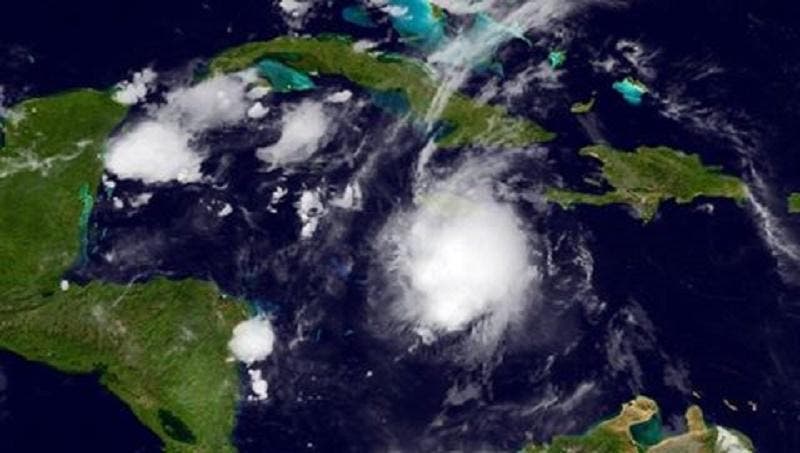
TAMPA BAY, FL — Tropical Storm Earl has officially become the fifth named storm of the 2016 Atlantic Hurricane Season. Although the storm poses no likely threat to Florida on its current track, it serves as a reminder that hurricane season is far from over.
Tropical Storm Earl was upgraded to a tropical storm just after noon on Tuesday. It was located about 215 miles south-southwest of Grand Cayman, moving westward at about 22 mph, according to the National Hurricane Center. As of Tuesday, Earl was forecast to approach Belize and the Yucatan Peninsula sometime late on Wednesday. Forecasters anticipate Earl will strengthen before making landfall.
Hurricane Season this year has been relatively quiet for Florida and the Tampa Bay area. The only named storm that created concern for Tampa Bay was Tropical Storm Colin. That storm passed by in early June, leaving some flooding in its wake.
Find out what's happening in St. Petefor free with the latest updates from Patch.
Tampa Bay hasn’t been struck by a hurricane directly in more than 90 years. The only major storm to have come close to the region was Hurricane Charley back in August 2004. That category 4 storm ripped through Charlotte County, leaving four people dead in its wake and an estimated 11,000 homes damaged.
While Tampa Bay has been lucky, experts say the streak isn’t likely to last. It’s not a question of if, but when, forecasters say.
Find out what's happening in St. Petefor free with the latest updates from Patch.
The Atlantic Hurricane Season runs from June 1 through Nov. 30 each year. The peak tends to arrive in mid-August to late October. Florida has been struck by a few of the peak-season storms, including Hurricane Andrew in 1992 and Hurricane Charley in 2004. Both storms made landfall in August.
To get ready for storms that may threaten Tampa Bay, residents are urged to create their own emergency kits, including food and water for at least three days. They should also know their evacuation routes, have their renter or homeowner’s insurance documents handy and should have a plan on where to go and what to do if a storm strikes.
To find out more about hurricane season and storm preparation, read these related Patch stories:
- Hurricane Season 2016: Where To Find Local Information
- 2016 Atlantic Hurricane Season Forecast Released
- Hurricane Season: How to Prepare
- 2016 Hurricane Names: Is Yours On the List?
- Tampa Bay 'Ripe for Disaster,' Hurricane Experts Say
To keep up with storm activity as the season develops, bookmark the National Hurricane Center’s website and keep an eye on your hometown Patch site for local information.
Graphic courtesy of the National Hurricane Center
Get more local news delivered straight to your inbox. Sign up for free Patch newsletters and alerts.