Health & Fitness
Sustainable Tarpon Springs - Edible Landscapes
An invitation to be part of a 'Conversation and Action Network' of friendly folks with a vision to see a 'greener' and more Sustainable Tarpon Springs.


Slowly but surely over the past decade, a movement has been building. As with any ‘consciousness shift’ it’s impossible to attribute the change in awareness to any one person or event, as something in the air seems to start moving people in the same direction simultaneously. Even biophysicists try to explain this kind of spontaneous telepathic movement in quantum terms, but I just like to ‘let the mystery be’ as Iris Dement sings.
For me, reading Food Not Lawns, published in 2006, was an ‘awakening moment’. The subtitle of Heather Flores book is ‘How to Turn Your Yard into a Garden and Your Neighborhood into a Community’ and I think that’s exactly what my hopes still are as I sit at my computer penning this blog. I even think back to times before 2006 to experiencing the joys of growing food, working in the yard, connecting with neighbors, and sharing the bounty.
Find out what's happening in Tarpon Springsfor free with the latest updates from Patch.
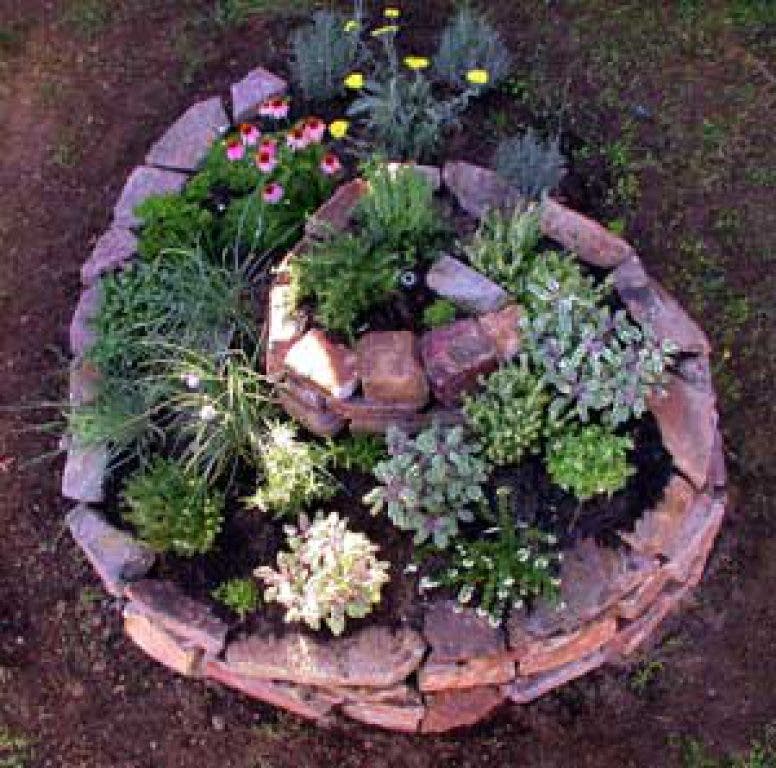
Growing our own food is connecting to the mystery and miracle of Creation. One can’t help noticing everything about nature - the seasons, daily temperatures, rainfall, sunlight, the health of the soil, and all sorts of other amazing little events that arise in a creating a miniature eco-system. Whether we have lots of space, or only a small deck - it is possible to grow edibles that are both beautiful to behold and nutritious to eat.
Find out what's happening in Tarpon Springsfor free with the latest updates from Patch.
If you haven’t visited Organic Living for All in Dunedin, it is worth a field trip to Jai Hambly’s humble, home-grown garden business. No matter what you perceive your ‘limitations’ to gardening to be - even that of a Deed Restricted community - she can show you creative ways to plant edibles that are amazingly nutritious and ornamental. I’m just using Organic Living as an example because the front of her business is landscaped with plants that are all edible.
To be most sustainable, whatever we take time to plant, nurture, and water would be best if it were edible, medicinal, or simply good to make a nice summer tea - such as peppermint and stevia. Plants can be decorative bug-repellents too! (Not that we would eat those plants, but they can be used to rub on the skin for protection while we are tending our edibles.)
Recently, a park in Seattle’s Beacon Hill was dedicated to fulfilling a vision of an urban food oasis for anyone to pick and eat from. This is a vision cropping up all over the country as community gardeners team up to utilize dormant public property, enlivening these places with both beauty and purpose. Here’s the Seattle story: http://www.takepart.com/article/2012/02/21/its-not-fairytale-seattle-build-nations-first-food-forest
Whether we are landscaping our easement strips, or putting out decorative potted plants, we can be growing everything from rosemary to strawberries to tomatoes in small manageable spaces. If you have never grown even a houseplant, as soon as you start to add fresh salad greens and herbs to your meals, you will be addicted - guaranteed!
Johnny Appleseed had a similar vision, and left a generous legacy of fruit trees wherever he travelled. When we plant food in our neighborhoods, we are adding to our personal food security, building community, and believing in the achieving vision of our Sustainable Edible Community! Happy Growing!