Community Corner
Hearing Scratching Overhead? A West Palm Beach Homeowner’s Guide to Roof Rats
Fruit trees, overhanging branches and small openings can attract roof rats and let them inside. What to look for and how to reduce the risk.
This is a paid post contributed by a Patch Community Partner. The views expressed in this post are the author's own, and the information presented has not been verified by Patch.
A scratching sound above the ceiling can leave you wondering what has moved in. Before assuming it’s a roof rat, it helps to know what other signs to look for and what might be attracting an animal to your home.
For West Palm Beach homeowners, prevention starts outside. Trees, landscaping and outdoor food sources deserve attention alongside the roofline. Understanding how roof rats use these surroundings can help you spot conditions worth addressing before an unwanted visitor becomes an indoor problem.
Why roof rats find their way into homes
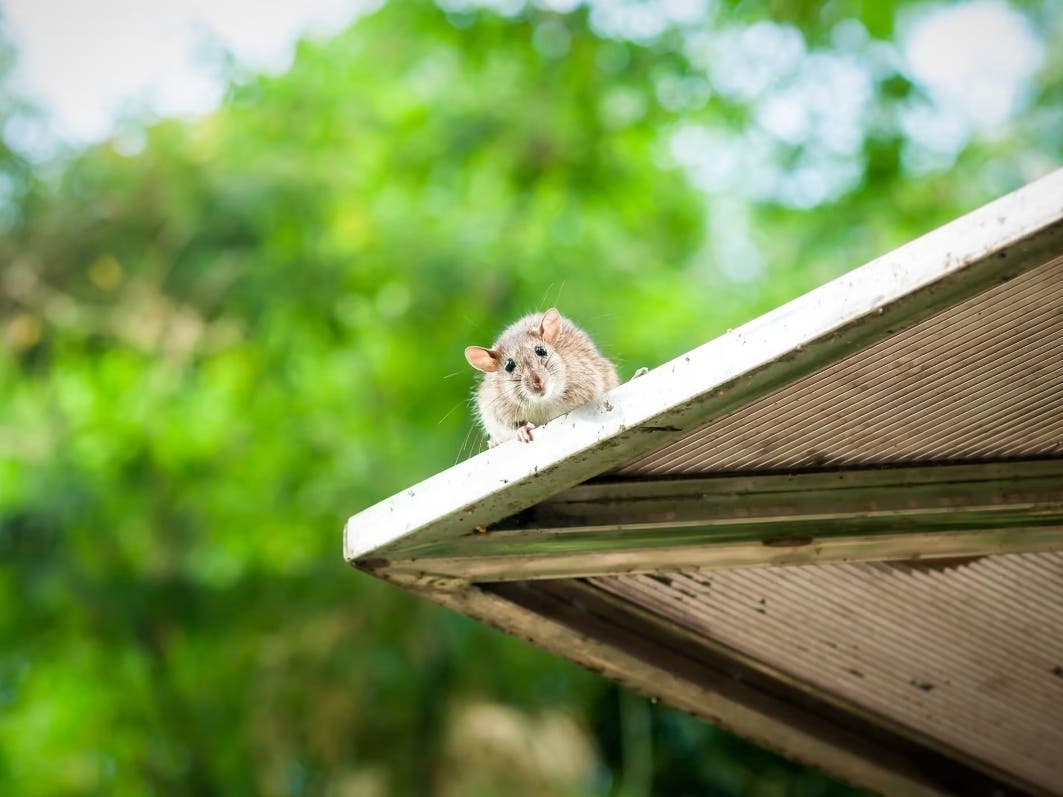
Roof rats are skilled climbers that use trees and the upper portions of buildings for shelter. According to UF/IFAS Extension’s guidance on rodents around the home, their food sources include fruit, seeds, grains, garbage and pet food.
That makes the connection between your yard and your house especially important. A fruit tree can provide a meal, while a branch hanging over the roof may provide access to the building. An opening near that route can create an opportunity to get inside.
The useful question isn’t just, “What’s making that noise?” It’s also, “What around my property could be providing food or access?”
What signs should you investigate?
Scratching overhead is a reason to investigate, but sound alone cannot identify the animal responsible. Repeated nighttime noises, gnaw marks, damaged stored items or other evidence of activity warrant a closer look.
Nozzle Nolen’s guide to roof rats in the attic and what homeowners should watch for explains common warning signs and potential entry points. Roof rats can remain active throughout the year in South Florida, so homeowners should pay attention to recurring signs regardless of the season.
If you notice suspicious activity, record where and when it happens. Photos taken safely from the ground can help a pest professional evaluate what needs attention. You do not need to climb onto the roof to begin gathering useful information.
Five things to check around your home
A walk around the property can help you identify conditions worth addressing:
·Fruit and other food sources. Pick up fallen fruit and avoid leaving pet food outdoors overnight.
·Trash containers. Check that lids close securely and food waste is contained.
·Branches near the roof. Look for limbs that overhang the house and arrange appropriate pruning where needed.
·Visible openings. From ground level, look for damaged vents or gaps where pipes and wires enter the building. Have inaccessible areas checked professionally.
·Clutter and water sources. Remove accumulated yard debris, address leaks and check for irrigation that leaves standing water.
Use this checklist during routine home maintenance. It can also help you organize questions for a professional inspection: Which openings need attention? Which areas are difficult to assess? Could changes to the landscaping reduce access?
What if roof rats are already inside?
If you suspect an animal has entered the home, identifying it and locating its access points should come before choosing a control method.
Ask your pest professional to explain what evidence they found, how they plan to address current activity and how entry points will be managed. A clear plan should connect removal with prevention and include follow-up to evaluate whether the problem has been resolved.
It is also useful to ask which conditions you can address yourself and which require a pest professional, roofer or other qualified contractor. That turns a worrying noise into a manageable set of next steps.
Make prevention part of your home’s routine
You do not have to wait for scratching overhead to check for fallen fruit, unsecured trash or branches touching the house. Start with the conditions you can see, and seek help when signs persist or areas are difficult to inspect.
For West Palm Beach residents who need assistance, Nozzle Nolen’s rodent control services include inspection and recommendations for removal, exclusion and monitoring based on the property’s needs.
The goal is to address what is happening now while reducing opportunities for roof rats to return.
This post is an advertorial piece contributed by a Patch Community Partner, a local brand partner. To learn more, click here.