Neighbor News
Caregiving: America's New Normal
Forty million Americans are currently caregivers—but are they prepared for the physical, emotional and financial challenges that brings?
According to a recent Merrill Lynch Age Wave Study, eight in ten Americans say caregiving is the “new normal” for American families. Forty million Americans are currently caregivers—almost as many as the number of Americans holding student debt. Half of them became caregivers in the past year. These caregivers are providing assistance to nearly 50 million adults.
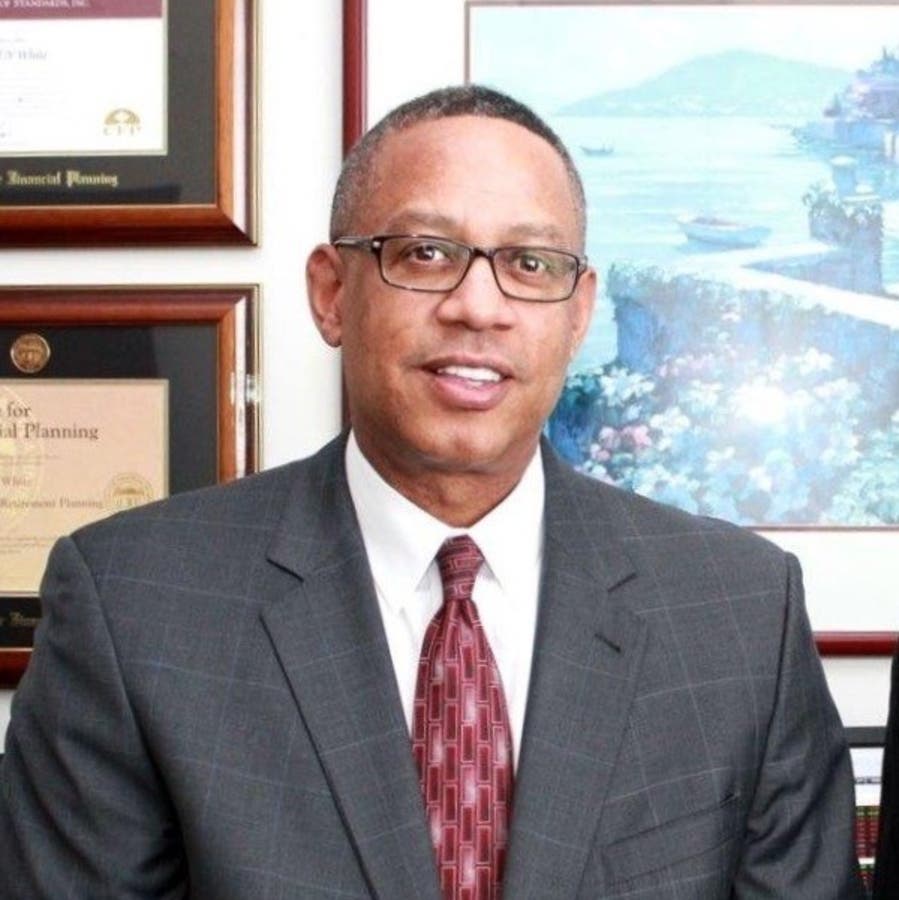
We spoke with Ronald White, CFP®, CDFA™, AAMS®, Vice President and Senior Financial Advisor with Merrill Lynch in Atlanta, about the importance of preparing to be caregiver.
Q: Why are we hearing so much about caregiving now?
Find out what's happening in Alpharetta-Miltonfor free with the latest updates from Patch.
A: The massive generation of Baby Boomers, 75 million strong today, is creating both an “age wave” and a caregiving crunch as it moves into its seventh decade. In less than 10 years, the Boomers will turn 80, when the likelihood of needing care increases even more. On one hand, it’s a tremendous accomplishment that the average lifespan has increased, and continues to steadily grow. On the other hand, the advances in how long we can expect to live have not been matched with how long we can expect to stay healthy.
Q: What does this mean?
Find out what's happening in Alpharetta-Miltonfor free with the latest updates from Patch.
A: For many health issues, the age of typical onset of illness has not risen to keep pace with our longer lifespan. A few health conditions, notably diabetes and conditions related to obesity, have actually become more common and diagnosed earlier in life. Consequently, the need for care is growing.
Q: What are the financial implications associated with caregiving?
A: While the need for care is real, few are financially prepared. Only one-third of adults over 40 say they have money set aside to pay for their long-term care. Only 11 percent of adults over 65 have long-term care insurance. Forty-three percent of respondents in this study said that the biggest negative surprise of caregiving was the cost of care and care-related expenses. Many people are unaware of the high cost of care until it is needed.
Q: What can someone do to prepare to be a caregiver?
A: Seek guidance and support. For many, caregiving is more of a marathon than a sprint. Having people you can trust in times of need can make the journey easier. Support systems can include: caregiver peers, care specialists, employers, professional care managers, as well as financial and legal professionals.
While caregiving can be a complex, challenging journey, it is also nourishing and meaningful. Caregivers are making sacrifices, yet are fulfilled by the meaning and purpose of doing the right thing for someone they care about. Planning ahead, however, can contribute to less stress and more stability in the long run.
To learn more about the Age Wave/Merrill Lynch, 2017, The Journey of Caregiving: Honor, Responsibility and Financial Complexity see: https://www.ml.com/financial-goals-and-priorities/caregiver-benefits-challenges.html