Health & Fitness
Fleas and Ticks On Your Pets ... Help!
It's a bad year for flea and tick problems on your pet. Find out how to choose the best prevention for your dogs and/or cat before the problem gets REALLY bad!
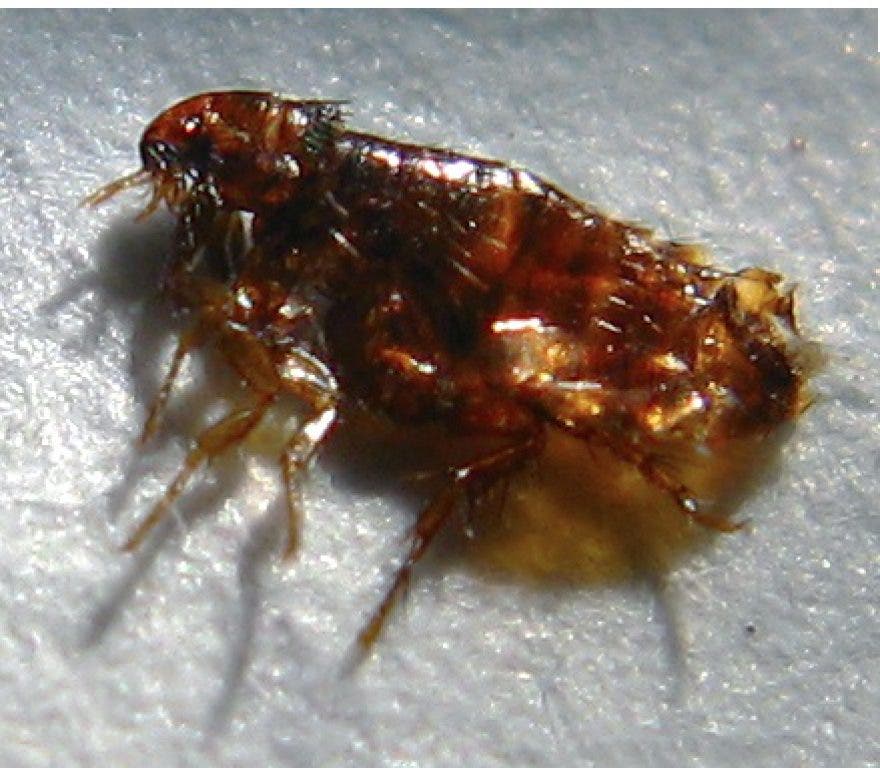
As a veterinarian treating dogs & cats in Athens & other towns over the past 16 years, I've seen plenty of pets with flea & tick infestations, some worse than others. There are several products available to use on (topical) or in (oral) our pets, and more come onto the market every year or so. How do you decide which one(s) are going to help with these tiny pests, and which ones will waste your time & money?
The drug companies (who make these products) certainly know how to market their own particular brand, either by using a "cute" TV commercial or focusing on the lower price of their product compared to some of the other available ones. I would take those with a grain of salt---it would be similar to buying a pair of shoes because they look good on the model in the ad.
Instead, I recommend that you follow some guidelines for your individual circumstances. For example, a little lap dog who hardly ever spends much time rolling through tall grass or walking through the woods won't require the same diligence as a dog who goes hunting or camping with his family. There are always exceptions, but that's a general rule of thumb: more opportunities to be exposed to fleas & ticks, more attention required to keep these insects off our furry friends.
Find out what's happening in Athensfor free with the latest updates from Patch.
Most of the products are suggested to be used once a month. That's how long they'll effectively kill any of the fleas/ticks that climb aboard your dog or cat. However, in order for the product to work, the flea/tick has to bite the animal, getting a dose of the parasiticide (chemical that kills them) with that bite. If your dog/cat is allergic to fleas, they will probably still have some itchiness due to the bite itself (the dog or cat is typically allergic to the flea's saliva, not just the fact that the flea is hopping around on the skin surface).
If you've been using the same particular flea & tick prevention product on your pets for the past several years, it might be a good idea to switch to a different product this season. It's my opinion that some fleas are becoming resistant to some products that have been in use for about 20 years now, similar to how certain bacteria strains build up resistance to certain antibiotics over time.
Find out what's happening in Athensfor free with the latest updates from Patch.
So, new flea & tick prevention products are always being researched & developed, and it might be a good idea to try one of those if what you're using doesn't seem to be as effective as it did when you first started using it. Alternatively, you could simply switch to a brand that's been around, but which would be "new" to your household of pets. For example, if you've been using Frontline Plus for the past ten years & it's just not doing the trick anymore (you're seeing more fleas than usual on your dog/cat), then try using Advantix for a change this year. It's a totally diferent chemical so it might be more effective for your pets since the fleas in your environment haven't been exposed to it year after year.
Newer products are being introduced, as well, such as Revolution, Sentinal, and now, Trifexis. These products will kill off the fleas & ticks AND are heartworm prevention products, too, so it's more convenient for some people to use one product, once a month, to fight off most of the parasites that flourish during the hot weather that's already started here in the Southeastern US. Naturally, these products will be more expensive than the flea/tick only prevention products, and the newer they are to the market, the more expensive the tend to be.
But don't be fooled by the products available that claim to be as affective as the above-mentioned ones. Some pet/department stores sell low-priced flea & tick products that ARE quite a bit less expensive than the "name brand" products, but "you get what you pay for" in this case---they don't tend to work very well, if at all. I've heard countless clients tell me those products were a total waste of money, so rather than saving you money, you're wasting it on inferior flea/tick control. I believe you should stick with the ones that veterinarians recommend & sell.
So, how do you select the prodcut that will be right for your pets? It can be confusing & overwhelming when there are so many different products to choose from. And you don't want to waste your money, since many of these products can be quite expensive. A few ways to decide: You could do an online search of what products are available, compare the parasites they protect your pet against, do you need a precription in order to buy them (if they protect against heartworm, the answer should be "yes"), and do you want to apply something to your pet externally or will s/he take a tablet/chewable without a wrestling match? Other considerations, as mentioned above, are the pet's "lifestyle" and exposure risk.
Maybe the best way, after doing some research on your own, would be to talk with your pet's veterinarian or veterinary technician about which products are suitable for your pet(s). Sometimes you need to even consider the breed of your dog, since some dogs shouldn't be given Ivermectin, a common heartworm prevention ingredient. And NEVER use a product that's meant for a dog on/in a cat! Cats are not "little dogs" and there are products available that are specifically meant to be used for cats.
Here in NE Georgia, we had a relatively mild winter, without any prolonged periods of very cold/freezing temperatures. We also had an extremely early start to our warm weather---did you see the daffodils blooming in late January? Well, unfortunately, that weather also means we'll be having a relatively BAD population of fleas & ticks this year, too. They're already multiplying rapidly & many pets are already miserable with the itching they cause.
So, if you haven't yet started your "attack" on these tiny pests, you should really get moving since it's only going to be more difficult to get rid of them once they are reproducing in your carpets, furniture, backyards/patios, as well as on your pet. If you don't actually SEE the fleas on your dog/cat, that doesn't mean they aren't "around"---fleas usually spend only about 5% of their time actually ON animals. The rest of the time they're elsewhere, NEARBY, laying eggs & waiting until the next time they feel hungry. Don't be fooled by the absense of visual proof! Unless your pets live inside a bubble, they're going to be exposed to fleas/ticks, it's just a matter of how much exposure they'll experience. Get a jump on it & act NOW, before the fleas & ticks are jumping onto YOU, too.