It's that time of year when many people are eager to get started working in their gardens, both landscaping & vegetable gardening. However, it's important to be aware of what dangers to your pets might be present before, during, and after your planning & eventual harvesting.
Many people like to add supplements to the soil in their gardens before actually planting anything. Compost, which usually contains scraps cut off fruits, vegetables, and other plant materials that don't get eaten, is usually not something one would consider "dangerous", since it contains all natural ingredients. But certain molds that can grow on some composted items can cause illness or death.Cocoa bean shell mulch fertilizer can also cause serious illness (depending on the amount eaten/the circumstances of exposure to the animal). Fertilizers are usually not too dangerous for pets as long as they don't contaon certain herbicides or pesticides. If you have any doubts about whether or not any item is safe to use, use the ASPCA web site (www.aspca.org) or call their poison control center (888-426-4435). These are good numbers to have handy for any other questions about something your pet has eaten or been exposed to, not only garden advice.
There are some safe products to use in your garden, and they're also safe for the beneficial insects & birds we want to attract to our gardens. "Eco Chem Pet Safe Natural Organic" lawn care products are not harmful to pets or humans, or honeybees, earthworms, birds, insects, & aquatic life (if you have a pond on your property). They're also environmentally-friendly....it's all good! There are other lawn products which are safe for pets (and kids), such as Scotts Turf Builder Lawn Fertilizer, as well as some of Scotts other garden products. When in doubt, read the label and/or ask a garden expert about how safe various products are.
Find out what's happening in Athensfor free with the latest updates from Patch.
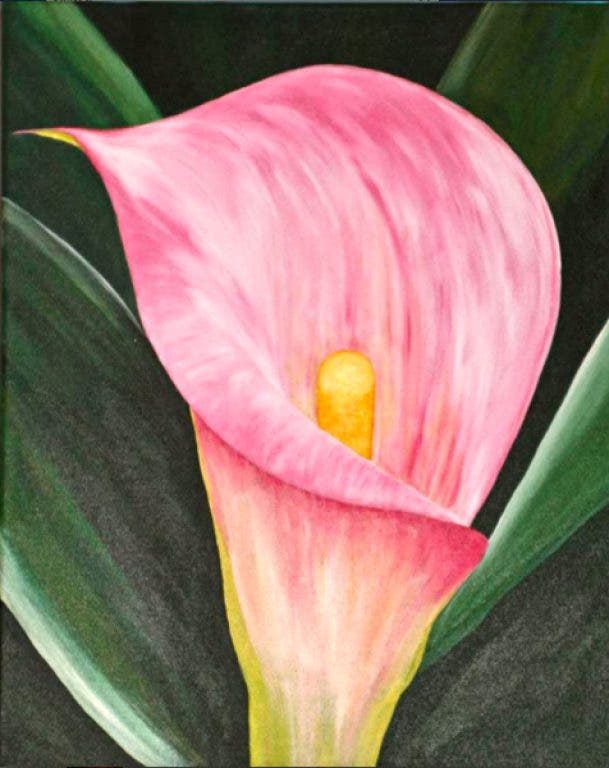
You'll also want to make sure that the plants you're hoping to grow will not be dangerous; many common plants (house plants as well as garden plants) are poisonous & can cause conditions such as vomiting & diarrhea or possibly be fatal, depending on the plant & how much is eaten. Just a few examples are: Azaleas, Calla Lily, Clematis, Daffodil (!!), Daylilly, Elephant Ears, English Ivy, Ferns, Gladiolas, Honeysuckle, Lantana, Lily of the Valley, Mountain Laurel, Rhododendren, Sago Palm, Tulip, Wisteria, & Yucca. These plants are all OVER the place! Sometimes the bulbs are the poisonous part, sometimes the leaves, etc. If you have ANY doubt, call poison control to find out what to do.
Sometimes it's best to make your pet vomit; sometimes that's the last thing you want to do, depending on what they ingested. Keep the phone number of Pet Poinson Control handy as well as the phone number of your local vet AND emergency vet hospital(s)---these incidents don't always occur during regular working hours.
Find out what's happening in Athensfor free with the latest updates from Patch.
Try to be aware of what you're planting & ask questions. There is lots of very helpful information on the internet with regard to what is or isn't harmful to pets (and humans). There are also some products that are now available that are NOT harmful to pets but can keep away some garden pests such as "Sluggo" to keep slugs out of the garden. Get familiar with these newer products and substitute them for the toxic ones that have been available in the past.
I love gardening, but I don't want to do it at the risk of my pets' lives. I hope you'll stop & think before using something that might cause harm or death to your pets. Enjoy the coming Spring weather!