Sports
Atlanta Played Important Role in Muhammad Ali's Career
After a three-year ban from boxing, Ali returned to the ring on Oct. 26, 1970, at the Atlanta Municipal Auditorium to resume his career.


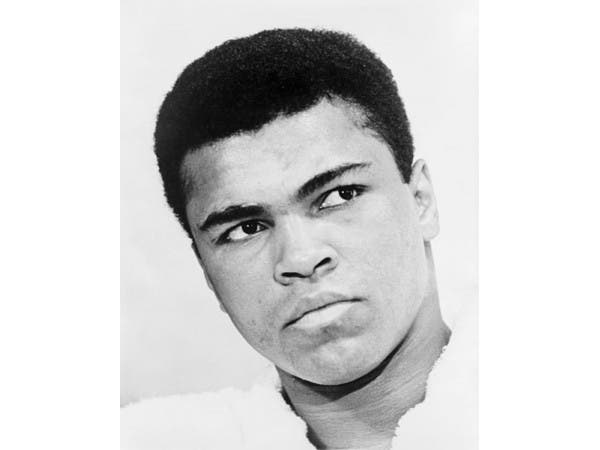
A building that now houses Georgia State University's Alumni Hall offices was the venue in which Muhammad Ali, who died Friday night, resumed his career after a three-year ban from boxing.
Ali's professional boxing record was 29-0, including a 1964 victory over then-heavyweight champion Sonny Liston, when the U.S. government drafted him for military service in Vietnam. He refused induction, and on June 20, 1967, Ali was convicted of draft evasion, sentenced to five years in prison, fined $10,000 and banned from boxing for three years.
Ali had also been stripped of his heavyweight title by the New York Boxing Commission and the World Boxing Association. He was a free man as he continued to appeal his case, which eventually wound up before the U.S. Supreme Court.
Find out what's happening in Atlantafor free with the latest updates from Patch.
But on Oct. 26, 1970, Georgia State Sen. Leroy Johnson and Atlanta insurance executive Jesse Hill arranged an exhibition bout at the Atlanta Municipal Auditorium. There, Ali returned to the ring for first time since his suspension to face Jerry Quarry, whom he would defeat in three rounds.
Atlanta Municipal Auditorium had been built in 1909. Then-newly elected President William Howard Taft spoke at the facility before the main arena had been completed; the room in which a banquet was served in his honor was dubbed Taft Hall, a name still used today by the university.
Find out what's happening in Atlantafor free with the latest updates from Patch.
The auditorium's main arena could seat up to 5,000 people. In the 1950s and 60s, local professional wrestling promoter Paul Jones held his matches there every Friday night. The venue also featured some of the era's greatest rock acts, including Jimi Hendrix, The Who, Pink Floyd, the Allman Brothers and Black Sabbath, among others.
Eventually, the U.S. Supreme Court overturned Ali's conviction and prison sentence in 1971.
Atlanta was also the site of another memorable occasion in the life of a man who Sports Illustrated dubbed "Sportsman of the Century." In what is arguably the most indelible memory of the 1996 Summer Olympic Games, Ali lit Atlanta's Olympic torch. His appearance -- hands trembling but heart determined -- generated huge applause and more than a few tears.
Ali had been hospitalized since Thursday with what a family spokesman had called a “respiratory issue.” He suffered from Parkinson's Disease and had appeared especially frail and weak in recent public appearances.
- SEE ALSO: Muhammad Ali Surprised World at '96 Olympic Games
- Six of the Biggest Fights of Muhammad Ali's Career
- Where Cassius Clay Discovered Islam
- Get Free Local News Alerts and Newsletters for Your Town - Right to Your Inbox
Image via Library of Congress
Staff writer Marc Torrence contributed to this report.
Get more local news delivered straight to your inbox. Sign up for free Patch newsletters and alerts.