Health & Fitness
Clayton County is Georgia's Most Obese
Georgia's overall obesity rate is above the national average, while the national rate has already tripled over the last 20 years.


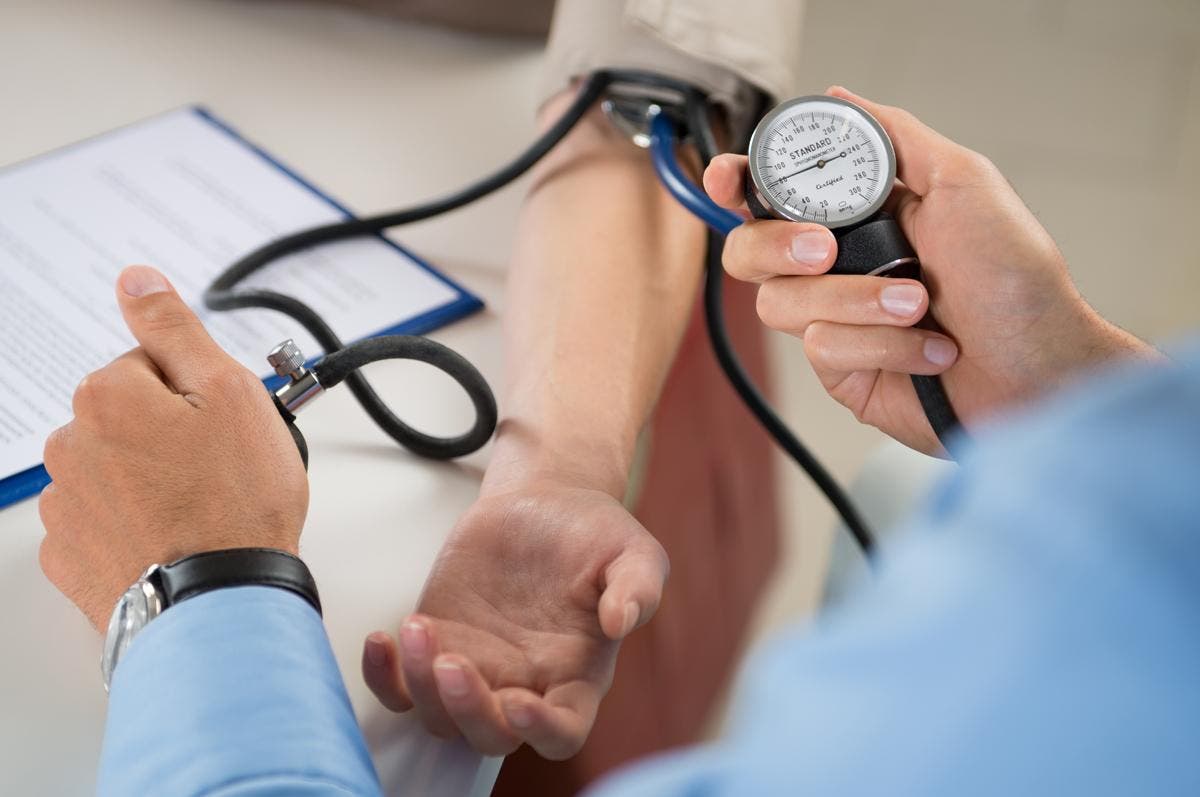
Metro Atlanta's Clayton County is Georgia's most obese county, according to a new survey.
HealthGrove, a health data analysis and visualization site, looked at data from the Health Indicators Warehouse to find the county with the highest obesity rate in every state.
Clayton County, located just south of downtown Atlanta and whose northern border just touches Hartsfield-Jackson Atlanta International Airport, has an obesity rate of 38 percent, according to the study.
Find out what's happening in Atlantafor free with the latest updates from Patch.
The study uses the American Medical Association's definition of obesity, people with body mass indexes over 30. That definition also qualifies 35.7 percent of Americans to be considered obese.
"My boyfriend lives in Clayton County and there are no sidewalks at all in his area," said Laura Delavan, a wellness expert with Sterling Risk Advisors. "People only walk when they have to walk somewhere and often are dangerously close to traffic. Some even wear reflective work vests as they walk on the edge of the road to be a bit more safe as the only place to walk is literally on the shoulder of the road in some parts of the county."
Find out what's happening in Atlantafor free with the latest updates from Patch.
"In the past 20 years, the obesity rate in America has tripled," said Lanier Dabruzzi, senior manager of public relations for the Southeast United Dairy Industry Association. "Today one out of every three adults is considered obese. In fact, Georgia’s obesity rate is above the national average."
Dabruzzi says the reason "that everyone from healthcare professionals to the government are so concerned about obesity is because obesity does not just mean being a larger size. Obesity increases risk for developing diseases including type 2 diabetes, cancer, heart disease and stroke. And with the increase in incidence of these preventable diseases, the nation’s healthcare costs increase and productivity decrease."
She also said as many as one-quarter of military-age youth are ineligible to serve due to their weight.
Counties with lower average incomes tend to see higher rates of obesity, according to the report. "One of the factors in which high obesity rates are seen in communities around the country is also due to the lack of value people have instilled in themselves," said Ulrick J. Bien-Aime, owner of Bien-Aime Strength & Stretch Studio. "Communities where obesity rates are highest usually has individuals who have low self-esteem and don't take much pride in their appearance.
"Another factor which comes into play is poor generational eating habits," he said. "If a child sees his parent, grandparent or great-grandparents eating a certain way, he tends to pick up those same habits, usually unhealthy eating habits."
Nationally, the reports shows that areas of high obesity rates tend to be the same as areas of lower income. "When a family is faced with the decision to buy food or pay bills, they may resort to purchasing inexpensive, unhealthy food," said Joy Goetz, nutrition and wellness program manager for the Atlanta Community Food Bank.
"There is a psychological component to food insecurity," she said. "If you are worried that you are going to run out of food and not be able to purchase more, you are more likely to buy high-calorie, highly-processed food that will fill you up and won't go bad. Many people don't know how cook or make healthy choices on a budget."
Goetz said the bank's clients faced some tough choices in 2014:
- 81 percent had to choose between food and transportation.
- 76 percent had to choose between paying for food and utilities.
- 73 percent had to choose between food and medical care.
- 62 percent had to choose between food and housing.
"Many parts of Clayton County that I have personally experienced are not designed to facilitate any type of walking, running, playing; and the dangerous conditions that those who have to walk are under likely deter anyone from walking or running for recreation and it appears that people only walk when they need to," said Delavan. "Walking is an inexpensive, effective, and low-impact activity that doesn’t require a gym membership or expensive equipment and this just isn’t an option for many parts of the county to begin a turnaround of the obesity epidemic."
Image via Shutterstock
Get more local news delivered straight to your inbox. Sign up for free Patch newsletters and alerts.