Health & Fitness
Georgia Flu Cases Spread For Christmas
Feel awful? You're not alone with more flu cases reported in Georgia recently, says the CDC, but other areas have it worse.


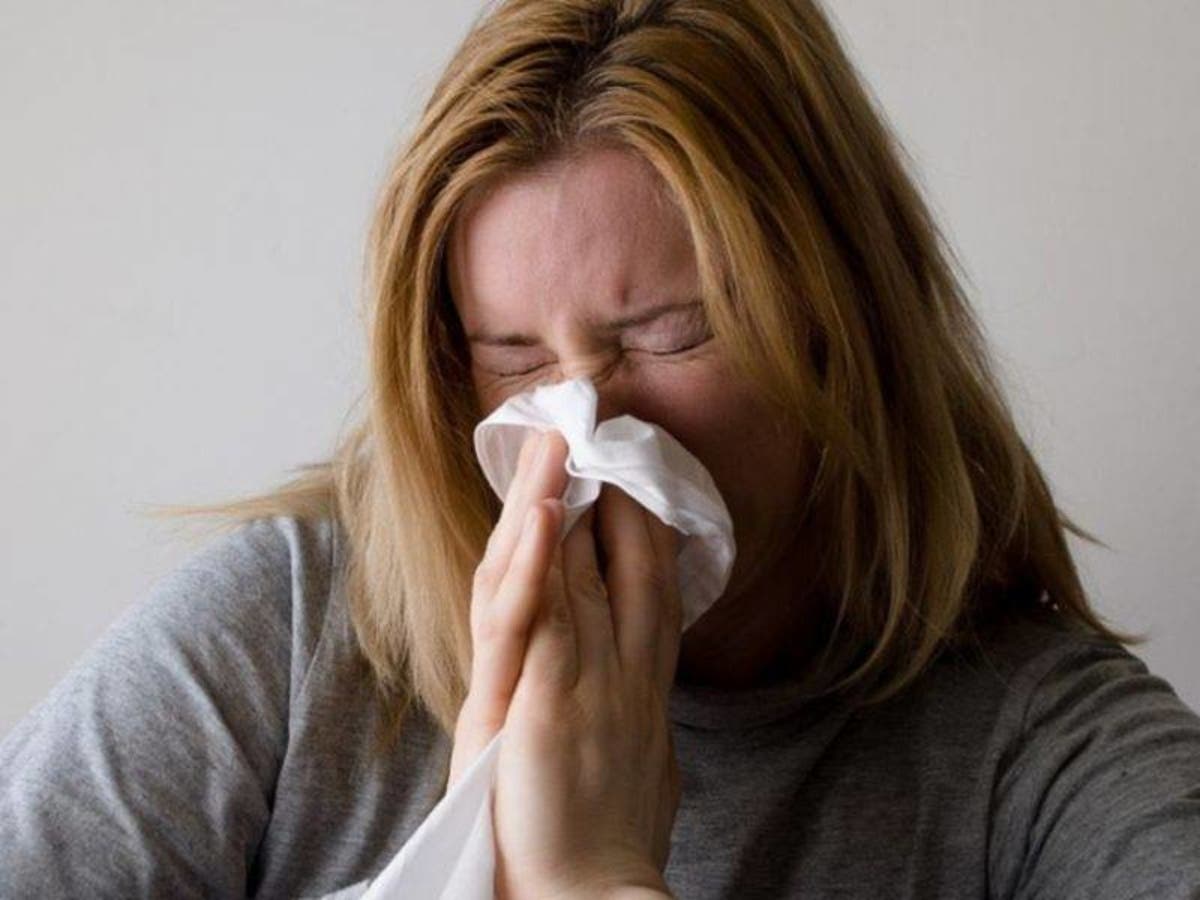
ATLANTA, GA— Feel awful? You're not alone, with more cases of the flu reported across Georgia in the past two weeks, says the Centers for Disease Control. There's still time to get a flu shot before you travel to holiday gatherings — what are the odds someone there has a virus that gets shared? And other areas of the country have more cases of the flu than the Peach State, so far.
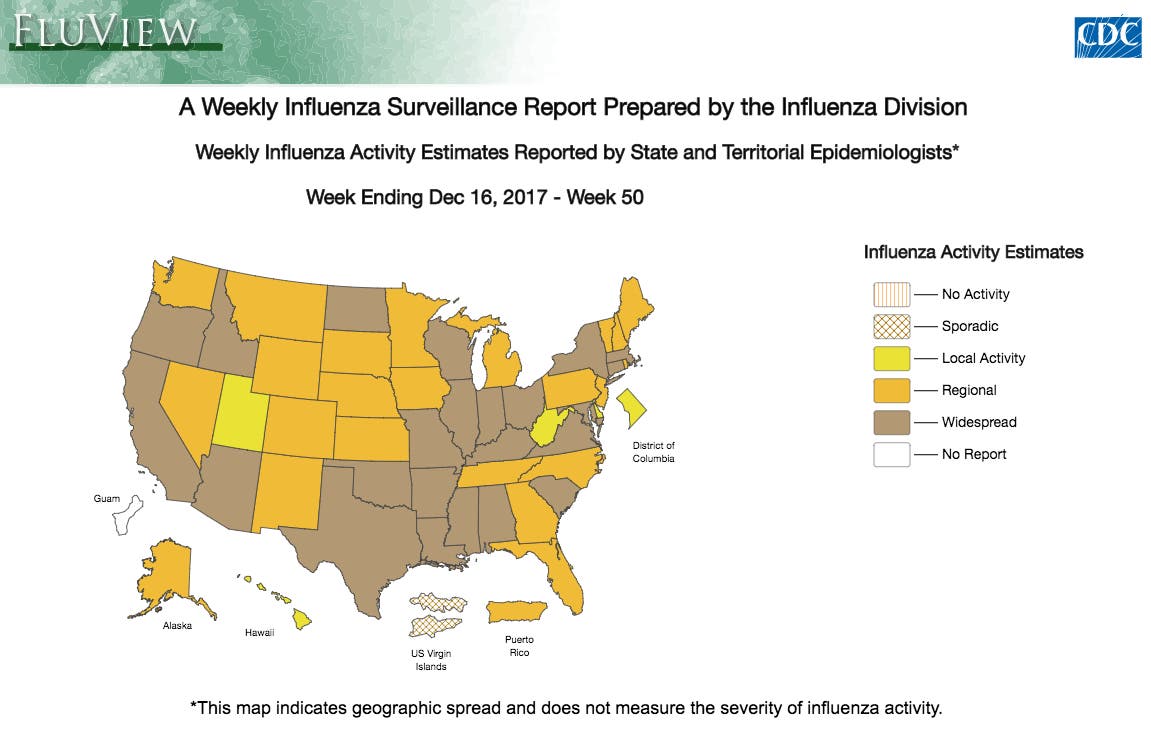
For the week ending Dec. 16, 23 states reported widespread flu activity. That means outbreaks of flu or increased influenza-like illness, including recent laboratory confirmed influenza cases, were noted statewide in Alabama, Arizona, Arkansas, California, Connecticut, Idaho, Illinois, Indiana, Kentucky, Louisiana, Maryland, Massachusetts, Mississippi, Missouri, New York, North Dakota, Ohio, Oklahoma, Oregon, South Carolina, Texas, Virginia and Wisconsin.
For the week ending Dec. 9, health officials in Georgia reported regional flu activity. That means the state saw outbreaks of flu or increased influenza-like illness, including recent laboratory confirmed influenza, in two or more outbreaks, according to the CDC.
Find out what's happening in Atlantafor free with the latest updates from Patch.
The proportion of outpatient visits for flu was 3.7 percent, says the Georgia Department of Pubic Health, which is above the regional baseline of 1.9 percent. Ten flu patients were hospitalized last week, while there have been 61 hospitalizations due to influenza so far this season.
No confirmed deaths due to influenza have been reported by the state so far this season.
Find out what's happening in Atlantafor free with the latest updates from Patch.
While it's difficult to predict when flu activity will peak in the U.S., the CDC said after low flu activity in October, cases have steadily increased since early November, especially in the South. Flu activity in the U.S. generally begins as early as October and can last as late as May. According to the CDC, flu activity generally peaks sometime between December and February.
Here's what you need to know about the upcoming flu season:
Get Your Flu Shot
The CDC says getting a flu shot is currently the most effective method of avoiding the flu. While vaccine effectiveness can range from season to season, the CDC says a majority of cases reported so far — while small — have been characterized as being similar to the recommended 2017-18 Northern hemisphere flu vaccine components. According to the CDC, this suggests that getting vaccinated should provide similar protection as past seasons.
The CDC recommends getting your flu shot by the end of October as it takes two weeks for antibodies to develop that protect against the flu. Getting vaccinated later is still beneficial, the CDC says.
Difficult To Tell Which Flu Strain Will Dominate The Season
The CDC says it is difficult to determine what flu virus will dominate the season but flu vaccine is less effective against the currently circulating A(H3N2) virus. In past flu seasons when A(H3N2) has dominated, hospitalizations and deaths were more common. Influenza A viruses have been most commonly identified since Oct. 2017 with A(H3N2) viruses predominating, according to the CDC.
Looking To Flu Season In Australia
A report published in the New England Journal of Medicine on Thursday says that reports from Australia about the flu season there have caused mounting concern for what might be in store for the U.S. The flu season in Australia saw record-high numbers of confirmed flu cases and outbreaks and higher-than-average hospitalizations and deaths.
The A(H3N2) virus dominated in Australia and the preliminary estimate of vaccine effectiveness against the strain was only 10 percent, the NEJM reports.
"The implications for the Northern Hemisphere are not clear, but it is of note that the vaccine for this upcoming season has the same composition as that used in the Southern Hemisphere," the journal said.
Still, the NEJM says that while the flu vaccine may be imperfect its always better to get vaccinated than not to get vaccinated.
Flu-Related Deaths So Far
Of all deaths in the U.S. during the week ending Dec. 16, 6.2 percent were related to pneumonia and influenza, the CDC reports. That percentage is below the epidemic threshold of 7.4 percent. As of Dec. 16, the CDC also reported nine lab-confirmed pediatric deaths during the 2017-18 flu season.
Also Watch: Flu Prevention Tips For The Holidays
SEE ALSO: Young Phoenix Mom Dies 2 Days After Flu Diagnosis
For more news like this, find your local Patch here. If you have an iPhone, click here to get the free Patch iPhone app.)
Includes reporting by Feroze Dhanoa, Patch National Staff
Get more local news delivered straight to your inbox. Sign up for free Patch newsletters and alerts.