Health & Fitness
Hurricane Irma Preparedness Kit: What You Need To Pack
There's still time to build your Hurricane Irma preparedness kit: Meds, insurance documents, personal papers and more to pack.


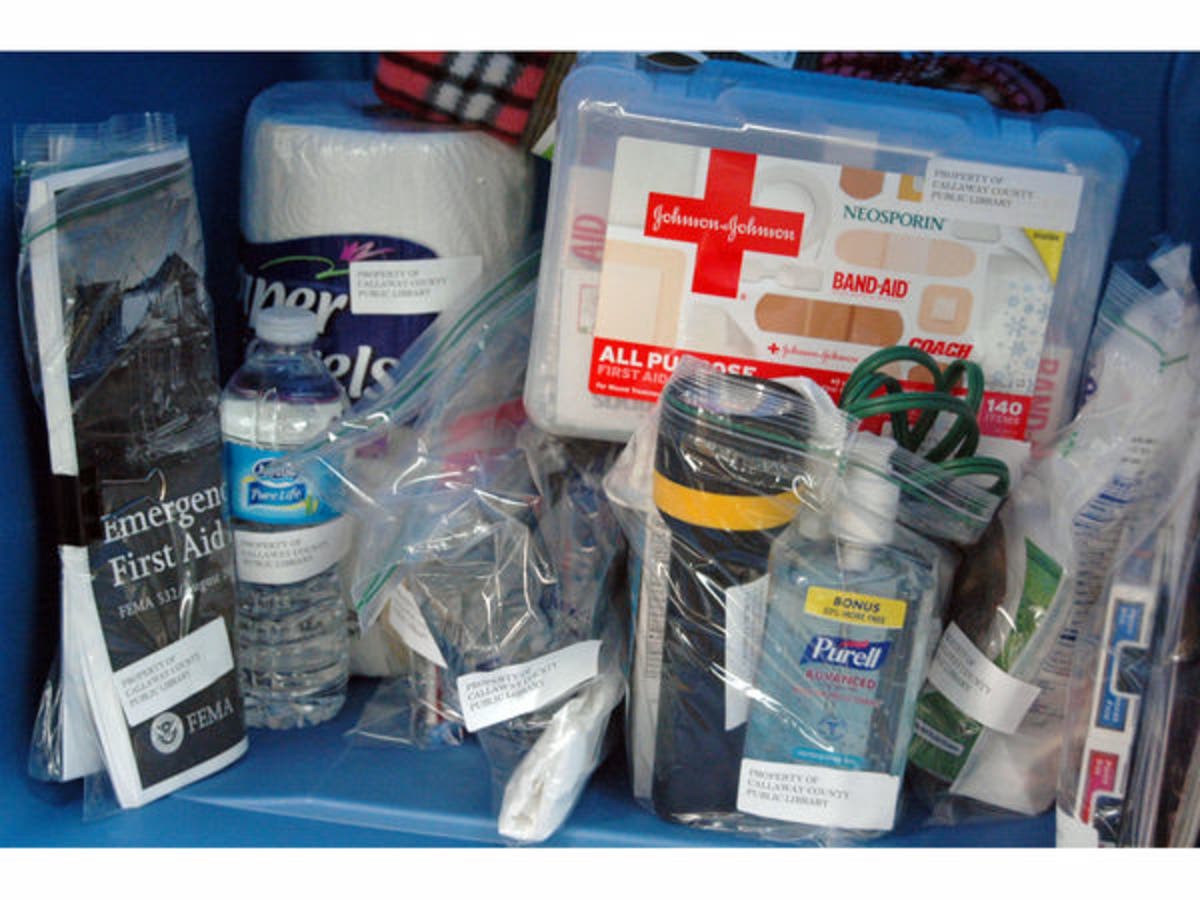
ATLANTA, GA — As Hurricane Irma closes in on Florida and most of Georgia's 159 counties are under some sort of hurricane or tropical storm warning, it's time to pull together an emergency kit of important documents, medications and contacts in case you have to evacuate. And the Georgia insurance commissioner has tips on how to inventory your home and its contents before you leave so you can properly file a claim later.
The Atlanta area will be smacked with heavy rain, high winds and downed trees starting about 8 a.m. Monday, the National Weather Service says. Officials say residents who need to secure items outside their homes need to do it before the winds pick up. (SIGN UP: Get Patch's Daily Newsletter and Real Time News Alerts. Or, if you have an iPhone, download the free Patch app.)
Find out what's happening in Atlantafor free with the latest updates from Patch.
Watch: Hurricane Irma Officially Arrives In Florida
According to ready.gov, every emergency preparedness kit should have the following items:
Find out what's happening in Atlantafor free with the latest updates from Patch.
- Water, one gallon of water per person per day for at least three days, for drinking and sanitation
- Food, at least a three-day supply of non-perishable food (canned food, baby food, Granola bars, energy bars)
- Battery-powered or hand crank radio and a NOAA Weather Radio with tone alert and extra batteries for both
- Flashlight and extra batteries
- First aid kit
- Whistle to signal for help
- Dust mask to help filter contaminated air and plastic sheeting and duct tape to shelter-in-place
- Moist towelettes, garbage bags and plastic ties for personal sanitation
- Wrench or pliers to turn off utilities
- Manual can opener for food
- Local maps
- Cell phone with chargers, inverter or solar charger
Like the Atlanta Patch Facebook page for more updates:
Other suggested items to have in your kit include:
- Red bandana (in case you need to signal for help)
- Pet supplies (leashes, pet food, medicines, kennel or crate)
- Medications for family members
- Eye drops
- Dry socks
- Cash
- Sleeping bags/blankets
- Writing supplies
- Books/Games
- Emergency Contact information/documents
- Fire extinguisher
- Waterproof matches/fire starter
- Insect repellant/sun screen
The office of Georgia's insurance commissioner says you should:
- Map out an evacuation route and identify what storm shelter is available to you.
- Make a plan for your pets. Not all emergency shelters will take pets. Check with your local veterinarian for help with a plan.
- Install storm shutters or cover windows prior to a hurricane. Be sure there is no loose siding on your home and no damaged or diseased trees growing over your home.
- Inventory your house with photos or videos of your home before the hurricane arrives. If you use a smartphone or digital camera, e-mail the photos to yourself, a friend or a relative or store them online.
- Inventory your personal property, such as clothes, jewelry, furniture, computers and audio/video equipment. Include photos and video of your home, as well as sales receipts and the model and serial numbers of items to make filing a claim simpler. Leave a copy of your inventory with friends or relatives, e-mail it to yourself, and/or store it in a safe location. Include the name of your company and agent, policy number and contact information.
- Move all of your important documents to a safe location. Take them with you when you evacuate or store them in a safe deposit box outside the area.
- Review your insurance coverage. What does your insurance policy cover? What does it exclude? The standard homeowners insurance policy does not cover flood damage. Check if your policy covers debris removal and sewer back-up. Find out if your policy covers additional living expenses to reimburse you for a stay in a temporary residence.
If your home is damaged:
- File your claim as soon as possible. Call your insurance company or agent with your policy number and other relevant information. Your policy may require that you make the notification within a certain time frame.
- Cooperate fully with the insurance company. Ask what documents, forms and data you will need to file a claim. Keep a diary of all conversations with insurance companies, creditors or relief agencies.
- Give your insurance company all the information they need. Incorrect or incomplete information will cause a delay in processing your claim.
- If your home is damaged to the extent that you can’t live there, ask your insurance company if you have coverage for additional living expenses.
- Take photographs/video of the damage.
- Make the repairs necessary to prevent further damage to your property (cover broken windows, leaking roofs and damaged walls). Don’t have permanent repairs made until your insurance company has inspected the property and you have reached an agreement on the cost of repairs. Give the claims adjuster records of any improvements you made prior to the damage.
- Maintain any damaged personal property for the adjuster to inspect.
- Ask the adjuster for an itemized explanation of the claim settlement offer.
- Save all receipts, including those from the temporary repairs covered by your insurance policy.
- Be wary of contractors who demand upfront payment before work is initiated or payment in full before work is completed. If the contractor needs payment to buy supplies, go with the contractor and pay the supplier directly.
- Get more than one bid. Ask for at least three references. Check with the Better Business Bureau about the contractor. Ask for proof of necessary licenses, building permits, insurance, and bonding. Record the license plate number and driver’s license number of the contractor.
- If you can’t cover all of your expenses, contact your creditors to negotiate a payment plan.
- If there is a disagreement about a claim, ask the company for the specific language in the policy in question and determine why you and the company interpret your policy differently. If the first offer made by an insurance company does not meet your expectations, be prepared to negotiate to get a fair settlement.
- If you believe you have been treated unfairly in getting a claim paid, call toll-free at 800-656-2298 or online at www.oci.ga.gov
Image: KOMUnews via Flicker Commons
Get more local news delivered straight to your inbox. Sign up for free Patch newsletters and alerts.