Health & Fitness
Ready To Be a Landlord?
Some of the basics about owning and managing rental properties.

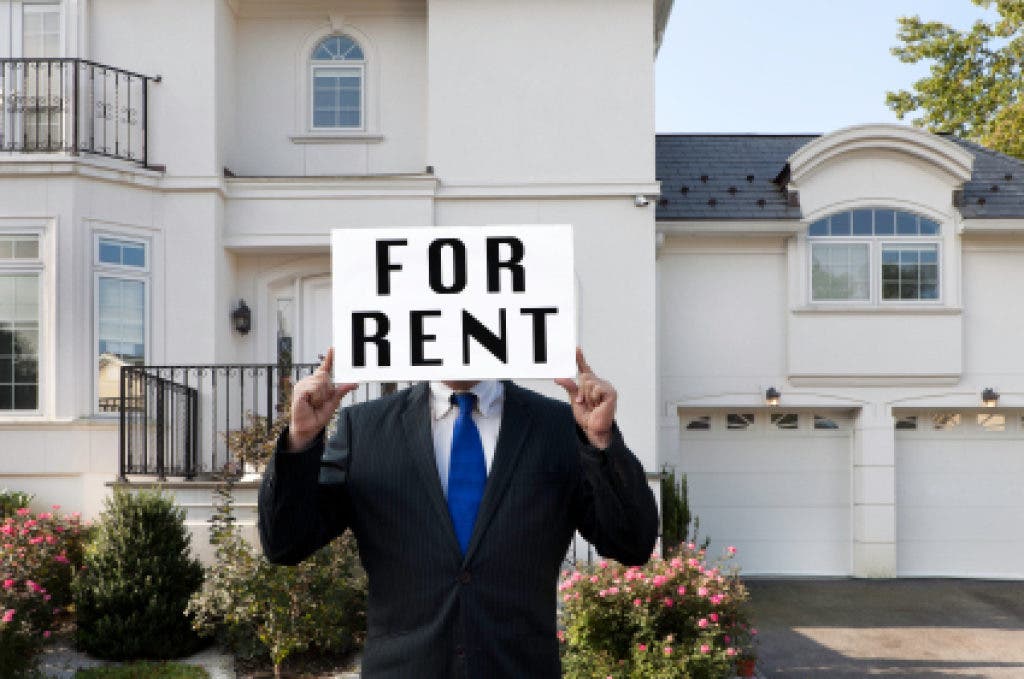
Rental properties seem to be a hot topic lately. Is it a good time to buy one (or several)? What should I look for in a rental property? How do I manage it? Should I buy a condo, a house, or a multi-family building?
Being a landlord myself, I will be the first to point out that it’s not a step to be taken lightly. There is a lot involved, and you must be prepared to deal with the risks that come with owing rental property.
Find out what's happening in Brookhavenfor free with the latest updates from Patch.
But for now, let’s say you decide you want to purchase rental property. What next? Much of the decision will rest on your budget, but even within those constraints, there are many choices.
Find out what's happening in Brookhavenfor free with the latest updates from Patch.
A condo provides the least amount of maintenance and is usually easy to rent, but you have no control over future costs, such as escalating monthly fees or special assessments. Still, condos are usually the least expensive way to get into investment property, though in a market like ours, you’ll need to be prepared to hold it longer than a single-family home.
A single-family home will give you more control, and they generally appreciate at a higher rate than condo. But there is a lot more maintenance necessary to keep up a home, and you can’t really expect a tenant to be as vigilant about it as you would be. Will you include yard maintenance in your rental price, or have the tenant do it themselves? Most tenants will skimp on lawn care, which can cause issues – especially with the neighbors.
Another good possibility is a multi-family building, such as a duplex or triplex. One of the big advantages there is that you have more than one income stream, so if one unit goes vacant, you won’t have as big of a cash flow problem. Multi-family properties can be great investments, depending on the acquisition cost, as they can often generate more income than a comparably priced single family home or condo.
What about actually renting and managing the property? Clearly the least expensive way is to handle the renting and managing of the property yourself, but there are serious pitfalls. Tenants need to be very strictly scrutinized and qualified before you turn your property over to them, and a rental agent may be better equipped to do that due diligence. They are also less emotionally involved, which makes for better business decisions.
On my first couple of rental properties I was swayed by tenants’ personal stories, which I ended up sorely regretting. Though it can certainly be helpful to get a good or bad feel about a potential tenant, in the end it should still be a business decision. A rental agent usually charges about one month’s rent to advertise the property, screen applicants, and handle all the paperwork.
Managing the property is another story altogether. Homeowners who live in another city, or don’t have the time or expertise to handle the ongoing management of a rental property would be well served by hiring a property manager. Property managers charge a percentage of the rent for their services. Many people, especially those who are local, and only have one or two rental properties, choose to handle the management of the property themselves. That certainly makes the property more profitable.
In choosing an investment property, I would highly recommend using an experienced Realtor to help you find the right property. A Realtor can not only help you assess the proper market value of a property, they can also help figure out what the rental history has been, or if it’s new to the rental market, what the potential for rental income may be.
Though this is only scratching the surface of the complicated decision-making process involved in owning rental property, you can see that there are many factors to consider in making those decisions.
Although, right now there are a lot of “accidental landlords” – people who didn’t make a conscious decision to own rental property, but couldn’t or wouldn’t sell their homes in today’s market. This presents its own set of difficulties, as these homeowners usually don’t have experience owning rental properties, but mostly because they have a much more emotional attachment to their homes than an investor does. That can give these landlords a skewed sense of the home’s rental value, and create much more stress over the tenant’s treatment of the property.
That’s one of the most important pieces of advice I give a homeowner who is thinking of renting his or her own home: If you’re unable to detach yourself enough from the home to be a true landlord, this may not be the best path for you.