Health & Fitness
We Need to Change Our Message About Exercise
Let's look at the immediate benefits of exercise to power us to a consistent exercise program.
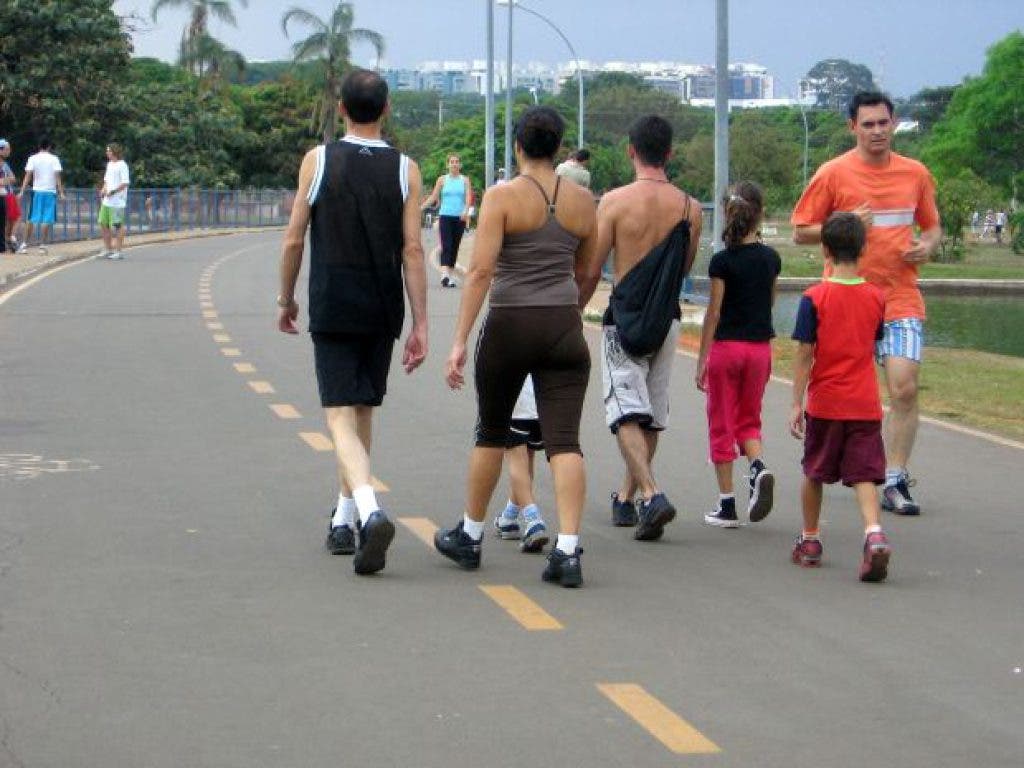
We all know about the long term benefits of exercise like losing weight, preventing disease and helping us live longer, so why do only 28 percent of US adults get vigorous exercise three or more times per week? The answer seems to lie in the fact that most people are not motivated by the “long term” benefits. The message is just not getting through. What if your workouts would enhance your well-being today? If, after exercise, you knew that you would feel happier, more optimistic, and better able to manage stress, would you be more apt to exercise?
According to researcher, Michelle Segar, at the University of Michigan, many people start an exercise program to lose weight and improve their appearance, but continued to exercise because of the benefits of feeling happy and less stressed. According to Segar, “physical exercise is an elixir of life, but we are not teaching that to people. We’re telling them it’s a pill to take or a punishment for bad numbers on the scale. Sustaining physical activity is a motivational and emotional issue, not a medical one.”
A new school of thought is that exercise “marketing” should focus on benefits to your happiness rather than a medical tool to lose weight, prevent disease, and live longer. Regular exercise will boost your mood naturally. Exercise has been found to work at least as well as antidepressants to treat symptoms of depression. Exercise boosts potent brain chemicals like serotonin, dopamine and norepinephrine, which will buffer effects of stress. Aside from the emotional “high”, other immediate benefits include; better sleep, boost of immune system, improve blood flow, enhance learning and better self-esteem and body image. Some exercises and equipment can actually boost HGH (Human Growth Hormone).
Find out what's happening in Daculafor free with the latest updates from Patch.
Another motivating factor is that an effective workout need not take more than about 30 minutes. I believe walking is the best way to start a program. When walking becomes “easy”, I suggest moving toward a HIIT, (high intensity interval training) program. This is where you start slow and then increase the intensity to a short “burst” of speed that gets the heart rate elevated, and doing this several times in a 20-30 minute timeframe. This is a very effective and efficient workout. This type of exercise MUST be augmented with strength/resistance training. As you get older, strength training needs to hold a larger percentage of your weekly exercise program. Til next time.