Community Corner
Exhibit at EHC Explores Southern Fiber Heritage
Environmental and Heritage Center's (EHC) newest exhibit is entitled "Continuous Threads: 200 Years of Georgia Textiles."




-------
Submitted article
Find out what's happening in Daculafor free with the latest updates from Patch.
The weaving and knitting of yarn to make fabric is a distinctly human characteristic. The practice is nearly 30,000 years old and links cultures from around the world. From Asia to Africa to Europe to the Americas, the making of fabric and creation of textiles help show how cultures identified and adorned themselves as well as how they lived their daily lives.
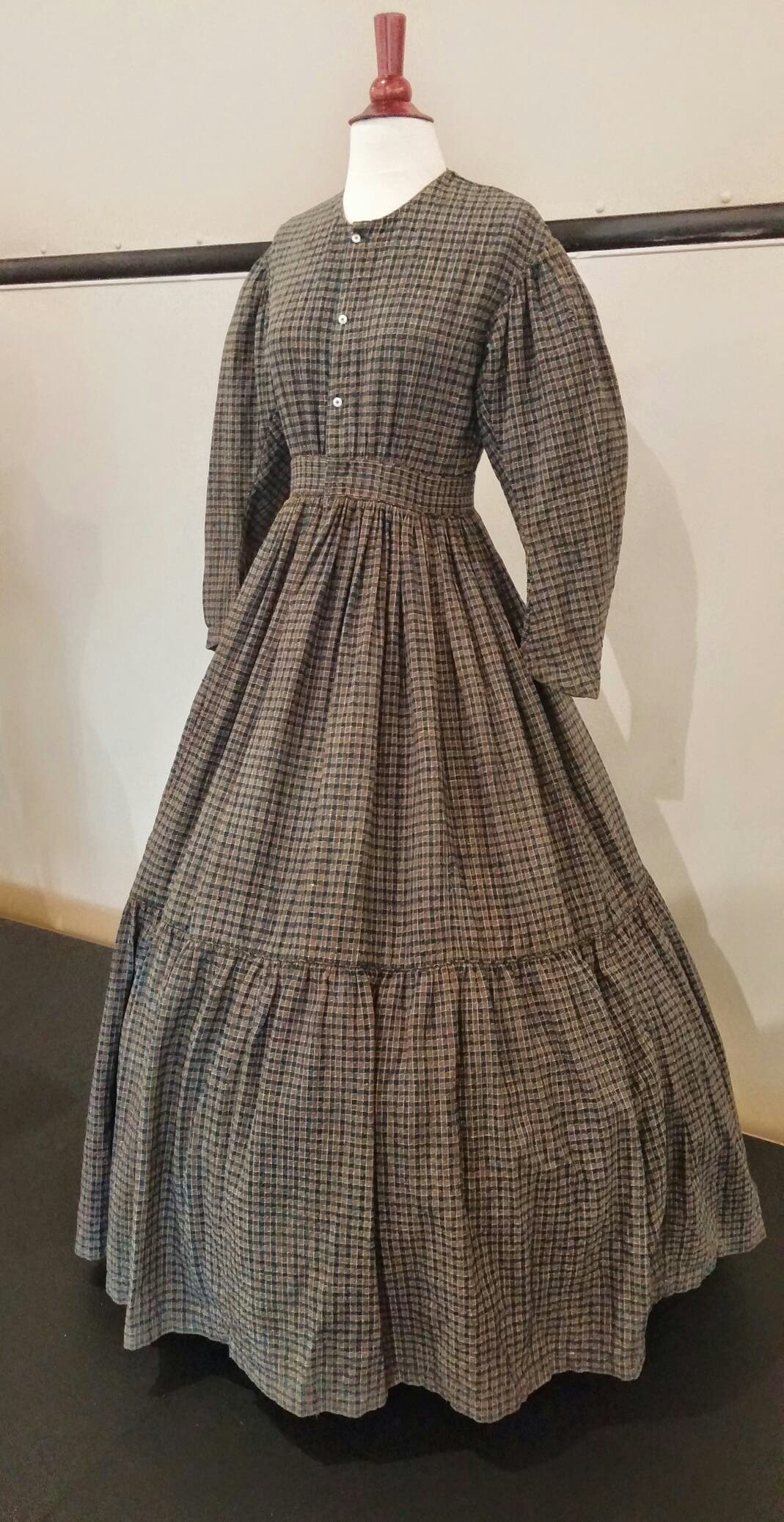
Discover the importance of textiles to Georgia and the southeast and learn how fiber touches all points of human life with the opening of the Environmental and Heritage Center’s (EHC) newest exhibit entitled Continuous Threads: 200 Years of Georgia Textiles. With more than 70 works of contemporary fiber arts and historic artifacts, the exhibit is a partnership with the Southeast Fiber Arts Alliance (SEFAA) and highlights the significance of textiles and fiber to Georgia’s past and present. The exhibit also features interactive, hands-on stations where visitors learn to weave, cross stitch, design a quilt and much more.
Find out what's happening in Daculafor free with the latest updates from Patch.
“Textiles have profoundly impacted Georgia. From the earliest days of its colonial creation, Georgia’s leaders developed a plan for economic vitality through the production of silk. While that effort proved unsuccessful, the invention of the cotton gin in Georgia in the 1790s paved the way for cotton’s profitability and dominance of the state well into the 20th Century,” said Jason West, EHC’s director of programming.
From shirts to dresses to bedspreads and bloomers, Georgia’s early textiles were everyday objects with practical uses. Practical textiles continue to play a significant role in Georgia’s modern commerce as the state is one of the top three cotton producing states and a world leader in carpet production. While textile manufacturing has a leading impact on Georgia’s economy, it is important to recognize that a vibrant art movement has evolved from the region’s fiber roots.
“There is a continuum between craft and art and an individual work can fall anywhere on that continuum. At the craft end of the spectrum are utilitarian objects which are often exquisitely executed and beautiful. At the art end of the spectrum are works that use materials and techniques to express ideas and start a dialogue with the viewer. You’ll see both in this amazing exhibition, and you’ll gain a better understanding of the importance of textiles – to protect, comfort, serve, decorate and challenge” said Suzi Gough, SEFAA’s President.
Continuous Threads explores the comparison between old and new, practical and ornate, and historic traditions and contemporary concepts. The exhibit is on display at the EHC from June 15, 2015, until August 30, 2015, and is included in the price of admission. The exhibit is made possible by a number of artists, historic organizations and educational institutions, including Berry College, Brenau Unveristy, Bulloch Hall, Crafts in America, the Root House Museum, the Roswell Historic Society, and StoryCorps.
For more information on the exhibit and the EHC, visit www.gwinnettEHC.org.
Photos: Items on display in the Continuous Threads exhibit include a 1850s dress made from hand woven Georgia-grown cotton, an elaborately embroidered “crazy quilt” stitched by a Georgia woman during the 1880s and a variety of contemporary works that use traditional textile techniques. Courtesy Environmental and Heritage Center
Get more local news delivered straight to your inbox. Sign up for free Patch newsletters and alerts.