Crime & Safety
Firefighters Tips on Safety in Cold Weather
From Gwinnett County Department of Fire and Emergency Services.


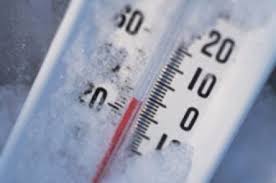
From Gwinnett County fire department
Firefighters urge citizens to prepare for the cold winter weather and below freezing temperatures. With the temperatures getting colder and the potential for icy conditions on the rise, Gwinnett County Department of Fire and Emergency Services offers the following tips to staying safe and warm. The primary concern during the winter months is a loss of heat, power, gas utility and telephone service. It’s always a good idea to stock up on essential supplies in the home such as food, water and medications. Post important numbers by the telephone such as utility companies and emergency responders.
Find out what's happening in Daculafor free with the latest updates from Patch.
Every household should have an emergency preparedness plan and a winter weather kit that should include, but not be limited to the following items:
· Flashlights and extra batteries
Find out what's happening in Daculafor free with the latest updates from Patch.
· Battery-powered NOAA weather radio and a portable AM/FM radio (These may be your only link to the outside world in the event of a disaster or winter storm).
· Extra food and water such as non-perishable/high-energy foods and snacks that don’t require refrigeration or cooking.
· Extra medications.
· Extra baby items, if there are infants or small children in the house.
· First-Aid supplies.
· Blankets, sleeping bags, and extra clothing for warmth.
· Remember to charge cell phones ahead of time, especially if you know that inclement weather is possible in your area.
· If you have a fireplace, gather and store extra firewood in a dry-sheltered area of your home.
· Remember to have all home heating appliances (furnace, fireplace and wood-burning stove)serviced annually by a qualified technician.
The use of home heating devices such as wood stoves, fireplaces, and space heaters can increase the potential for a fire to occur. Have all home heating appliances serviced annually by a qualified technician. The fireplace provides warmth but can be dangerous, if not properly used or maintained. Build a small fire in the fireplace, just enough to heat the room, but don’t depend on the fireplace to heat the entire house. Be sure to open the damper to vent the smoke while the fireplace is in use. Extreme caution should be used, especially if the fireplace or wood stove has not been serviced. Kerosene heaters should only be used in a well-ventilated area. If using space heaters, remember to leave plenty of room between the device and anything combustible. Space heaters should be placed at least 3-to-4 feet away from anything that could catch fire, such as drapes, bedding, furniture and clothing. Use space heaters that are approved by an independent testing laboratory and offer built-in safety features. Put the fire in the fireplace completely out and turn off space heaters before going to sleep or when leaving the home for any period of time. Never use the oven or stove in the kitchen to heat the home. All generators should be used outdoors in a well-ventilated area. Generators should be placed a safe distance away from the home. Never use the generator inside a garage or basement.
There are also things you should know if caught in a vehicle during the extreme cold. Avoid being out on the roads if at all possible, especially during icy conditions. If you are on the road, remember to slow your speed and watch for other motorists:
· Plan your travel and check the weather conditions for your area.
· Avoid driving during icy conditions if at all possible.
· Drive slow and watch for black ice on the roadway.
· Allow extra time when traveling in adverse weather conditions.
· Discuss your travel plans and routes with a family member or friend.
· Fully winterize your vehicle before the cold weather season starts.
· Carry a winter storm survival kit in your car. Items include: a blanket, sleeping bag, flashlight(with extra batteries), portable radio, first-aid kit, high calorie non-perishable food items (foods that don’t require refrigeration or cooking), bottled water, road flares, extra clothing, tissue paper, a small bucket of sand, waterproof matches, windshield scraper and jumper cables.
SAFETY OUTDOORS
The prolonged cold temperatures could cause a thin sheet of ice to form on open surfaces or bodies of water. Avoid any frozen body of water such as a lake, creek, ditch, pond or stream. The ice will not be thick enough or strong enough to support the weight of a child or pet. Post warning signs around any frozen bodies of water. Avoid contact with downed power lines. If you lose power at home, don’t go outside in the dark to investigate. Contact with an energized electrical line may cause severe injury or death. All downed power lines should be considered “live” or energized. Report downed power lines to the fire department and the appropriate utility company. Limit time outdoors in the cold. Prolonged exposure to cold may cause hypothermia or frostbite. Wear multiple layers of clothing and remember to cover your hands, face and ears whenever possible.
Be prepared for hypothermia and frostbite whenever exposed to the cold for any length of time. Know the signs and how to treat them properly. The best treatment during the cold is prevention. Avoid being outdoors during extremely cold temperatures or during a winter storm. If you are outside, limit your time in the cold and wear multiple layers of clothing. Try as much as possible to stay dry. Remember to frequently check on the elderly and those who live alone. Stay tuned to local news outlets for changing weather and road conditions.
HYPOTHERMIA
The warning signs of hypothermia are uncontrollable shivering, disorientation, slurred speech, drowsiness and apparent exhaustion. To treat a person for hypothermia, remember to warm the body slowly. Replace wet clothing with dry warm clothing. Wrap the person with warm blankets and provide a warm soup broth. Be sure to avoid giving the person alcohol or caffeinated drink.
FROSTBITE
Frostbite is damage to body tissue caused by exposure to extreme cold. Frostbite causes a loss of sensation (feeling) and a white, pale or ashen appearance to extremities, such as fingers, toes, earlobes and the tip of the nose. If signs of frostbite are observed, be sure to seek medical attention immediately. Warm the body slowly by wrapping with warm blankets. Follow the same treatment measures for hypothermia and only give warm soup broth if the person is conscious and alert, and has no breathing difficulties.
PETS
Consider safety precautions for all animals. Remember outdoor pets should be moved inside or to a sheltered area if at all possible during bitter cold temperatures. The improper use of heat-lamps to warm pet areas should be avoided due to the potential fire hazard or injury to the animal. Supply pets with adequate food and water during the cold.
For additional information on home fire safety or winter fire safety tips, please contact the Gwinnett Fire Community Risk Reduction Division at 678-518-4845 or e-mail fireprograms@gwinnettcounty.com.
Get more local news delivered straight to your inbox. Sign up for free Patch newsletters and alerts.