Health & Fitness
World AIDS Day: Southern States Lead In New HIV Cases
With 2,716 new HIV diagnoses in 2016, Atlanta was the fourth-ranked metro area in the nation for new cases.


ATLANTA, GA — The Atlanta-based Centers For Disease Control and Prevention estimates that close to 40,000 people received an HIV diagnosis in 2016 and Southern states accounted for more than half of the new cases.
People with HIV in the United States are being diagnosed sooner after infection and HIV in the country is declining overall, according to the CDC. Still, some groups have seen an increase in diagnoses.
According to a CDC Vital Signs report published on the heels of World AIDS Day, the estimated median time between a person being infected with HIV to being diagnosed was three years in 2015, a decrease from an estimated time of three years and seven months in 2011.
Find out what's happening in Daculafor free with the latest updates from Patch.
The CDC estimates that 40 percent of new HIV infections originate from people who don’t know they have HIV and recommends that all people between the ages of 13-64 get tested at least once in their lifetime. For those at a higher risk of HIV, the CDC recommends annual testing.
There are dozens of sites that perform testing in metro Atlanta. Go here to find the one nearest you.
Find out what's happening in Daculafor free with the latest updates from Patch.
Last year, there were 1,701 new diagnoses of HIV infection in metro Atlanta, according to the CDC. That was the nation's fourth highest rate of diagnoses in 2016, and was in addition to 30,884 cases that had been diagnosed through the end of 2015.
In all of Georgia, there were 2,716 HIV cases diagnosed last year, up slightly from 2,592 in 2015.
In 2016, Southern states, which make up 38 percent of the population, accounted for more than half of new HIV diagnoses, according to the CDC.
The data for the rates of diagnoses comes from the CDC’s annual “HIV Surveillance Report.”
Medications and new guidelines are radically changing how people with HIV live their lives and earlier this year, the CDC said that those who take medication as prescribed daily and maintain an undetectable viral load have effectively no risk of sexually transmitting the virus to an HIV-negative partner. That’s something that researchers first determined in 2008 but it’s more than eight years later that the statement is gaining wider consensus.
Helping get that message out is the “Undetectable=Untrasmittable” (U=U) campaign that aims to change the definition of what it means to live with HIV. The group worked with medical professionals studying the issue of sexual HIV transmission and came up with a consensus statement in July 2016.
The statement, which has the endorsement of over 500 organizations across the world, says that the risk of sexual transmission from an HIV positive person who is taking Antiretroviral Therapy (ART) and has an undetectable viral load in their blood for at least six months is negligible to non-existent.
Bruce Richman, who started the campaign, said that when he learned he was undetectable in 2012 it changed his life and he began to consider the possibility of relationships and intimacy without shame. Richman started U=U because the message wasn’t getting out.
“Scientists were doing this breakthrough research and it wasn’t breaking through to people that it was meant to benefit,” Richman told Patch.
He said he heard directly from tons of medical clinics and associations that would say they knew this information was true but would not tell their patients, concerned about the rise in STIs and the fact that patients go on and off their treatments. When the New York City Department of Health endorsed the statement in August 2016, Richman said it really legitimized it.
“The campaign was born in NYC,” he said.
Soon after, other influential organizations like the National Alliance of State & Territorial AIDS Directors and the Terrence Higgins Trust in England officially gave their support to the statement, Richman said.
The campaign’s current focus is getting that information out to HIV providers, health professionals and community organizations.
Richman says the information changes people’s lives, like those who’ve been in relationships for 20 years but are afraid to be intimate and some who haven’t had relationships at all.
“It’s really, really profound, and that’s why we need to keep saying this and that’s why I fight so hard in getting this information out,” Richman said.
Patch's Feroze Dhanoa contributed to this report.
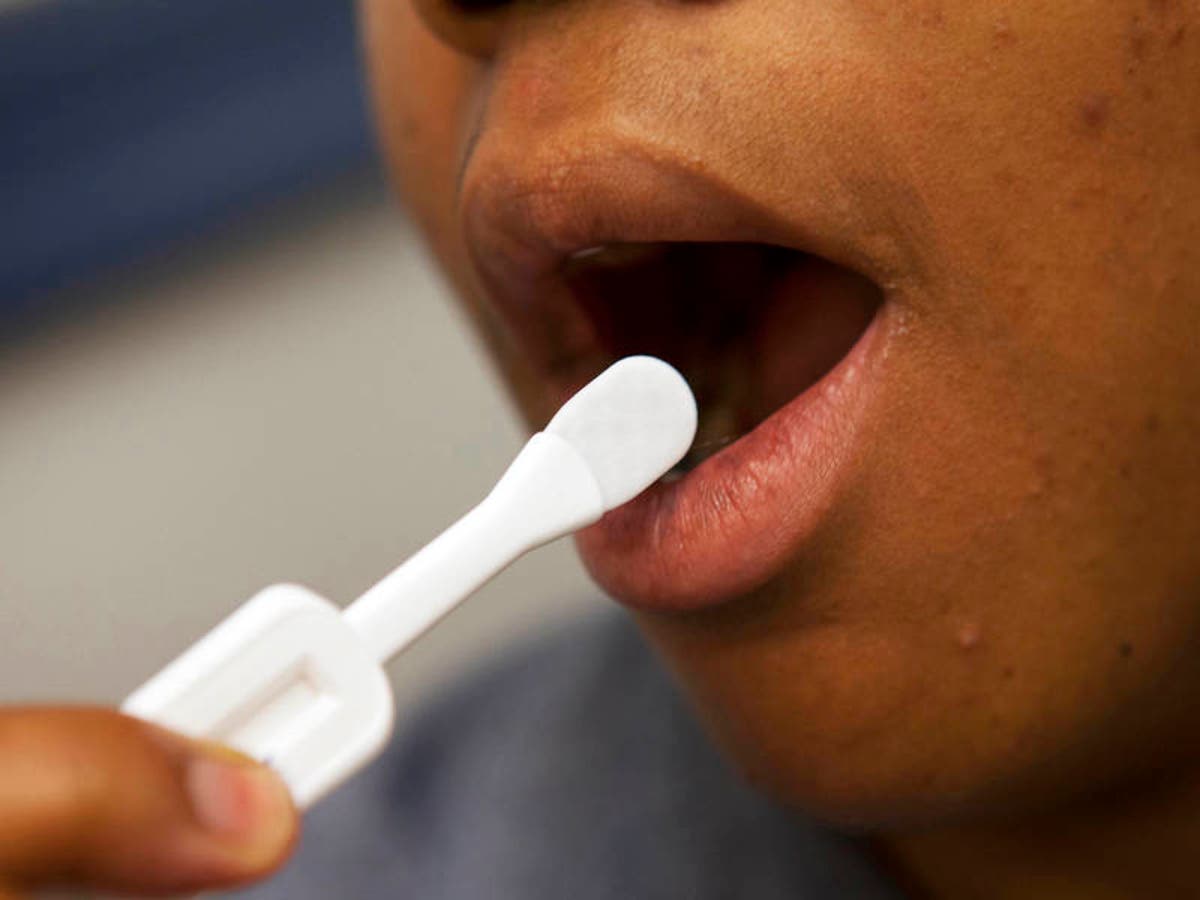
Photo: An oral swab AIDS test. AP Photo/Jacquelyn Martin
Get more local news delivered straight to your inbox. Sign up for free Patch newsletters and alerts.