Politics & Government
Johns Creek Answers Your Questions About Billboards
The city has issued a list of frequently asked questions about billboards in Johns Creek.


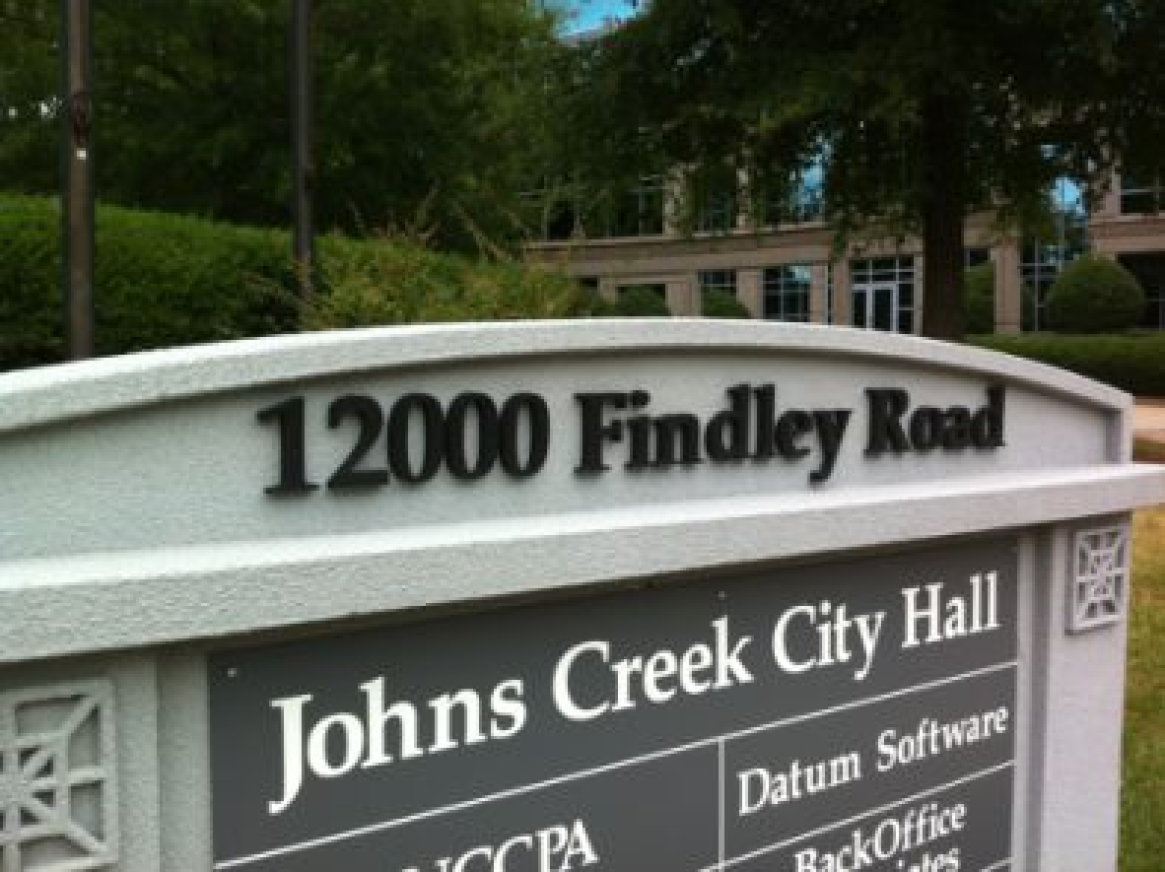
Editor’s note: the city of Johns Creek has compiled a list of frequently asked questions regarding billboards and how a 2011 Georgia Supreme Court ruling will impact the city’s landscape.
- Why is the city in discussions with the billboard companies? Since the 2011 Georgia Supreme Court ruling which approved 75 billboards to be built north of I-285, the cities of Johns Creek, Alpharetta, Milton and Sandy Springs have individually been in discussions with the billboard companies on the number, kind, and location of billboards within their own jurisdictions. The other cities have completed their discussions and have reached agreements on carrying out the court’s ruling. In each case, the billboard companies agreed to build fewer billboards than the court had allowed. We are naturally working toward the same goal, particularly as the court approved the construction of 31 billboards within Johns Creek. It behooves all Johns Creek residents and businesses for the city to conduct these discussions and come to an agreement with the billboard companies on how to follow the court’s ruling. For a more complete understanding of how we got to this point, please read the Billboard Litigation Timeline.
- Why doesn’t the city’s sign ordinance apply to these billboards? Johns Creek was not a city at the time the billboard companies applied for permits with the county. Accordingly, Johns Creek’s sign ordinance did not exist and did not apply to the billboard companies applications. By the time Johns Creek became a city in December 2006, the billboard companies already had vested rights to “construct, maintain and operate billboards.” The billboard companies’ rights were vested prior to Johns Creek becoming a city because the court found the county sign ordinance to be unconstitutional. This finding by the court negated the Northeast Fulton Overlay District that was in place at the time of the billboard companies’ applications, putting aside all the hard work many residents put in to creating the overlay.
- Why can’t the city stop this or fight these companies harder? The city has been ordered by the Georgia Supreme Court to allow the construction of billboards. Because the ruling applied to a local zoning regulation (Fulton County’s sign ordinance) it cannot be appealed to a higher court. The court looked at the validity of the county sign ordinance through the eyes of the First Amendment, which protects commercial freedom of speech. Historically, in cases across the U.S., it’s very, very difficult to obtain a favorable ruling when entering litigation against a billboard company. We have been in some form of litigation on this subject since incorporation (the applications were originally filed with the county before we became a city and we “inherited” the issue). See the Billboard Litigation Timeline for more details. To date, we have exhausted all legal efforts, and believe strongly that the best approach is to work with the billboard companies to comply with the court ruling. Challenging the court’s ruling any further is likely to be futile and potentially very expensive.
- How many billboards can these companies build in Johns Creek? They have vested rights to build up to 31.
- When can these companies build their billboards? These companies have had the right to immediately “construct, maintain and operate” the 31 signs since the 2011 court ruling. However, the billboard companies have been cooperating with Johns Creek on how to carry out the court ruling. In doing so, there have been lengthy discussions on the number, kind and location of the billboards. These discussions are still ongoing, as of October 2014.
- Are the companies required to discuss details with Johns Creek? No, they are not. With the court’s ruling they could build their signs at any time.
- Were there other cities that were affected by the court ruling? Yes. Sandy Springs, Milton and Alpharetta were also ordered to comply with the Georgia Supreme Court ruling.
- What did the other cities do to implement the court’s ruling? The Georgia Supreme Court ruling was implemented in the other cities after discussions with the billboard companies, resulting in: a reduction in the total number installed; installation at the lowest possible heights; a required setback from the road/street; and limitations on brightness of the signs.
- Will the billboard companies cut any trees in order to construct the signs? This depends on how high the signs are. The lower they are, the more likely some kind of trees or foliage will have to be cut. All of the applications are requested for locations on commercial property.
- What if City Council decides not to comply with the Georgia Supreme Court ruling? If council decides to not come to an agreement with the billboard companies on how to implement the Georgia Supreme Court’s ruling, and instead chooses to challenge that decision, we may lose the legal challenge and end up with up to 31 signs and also be potentially liable for damages for the billboard companies’ lost profits.
Get more local news delivered straight to your inbox. Sign up for free Patch newsletters and alerts.