Schools
Lead In Drinking Water: Fulton Schools "Addressing Issues"
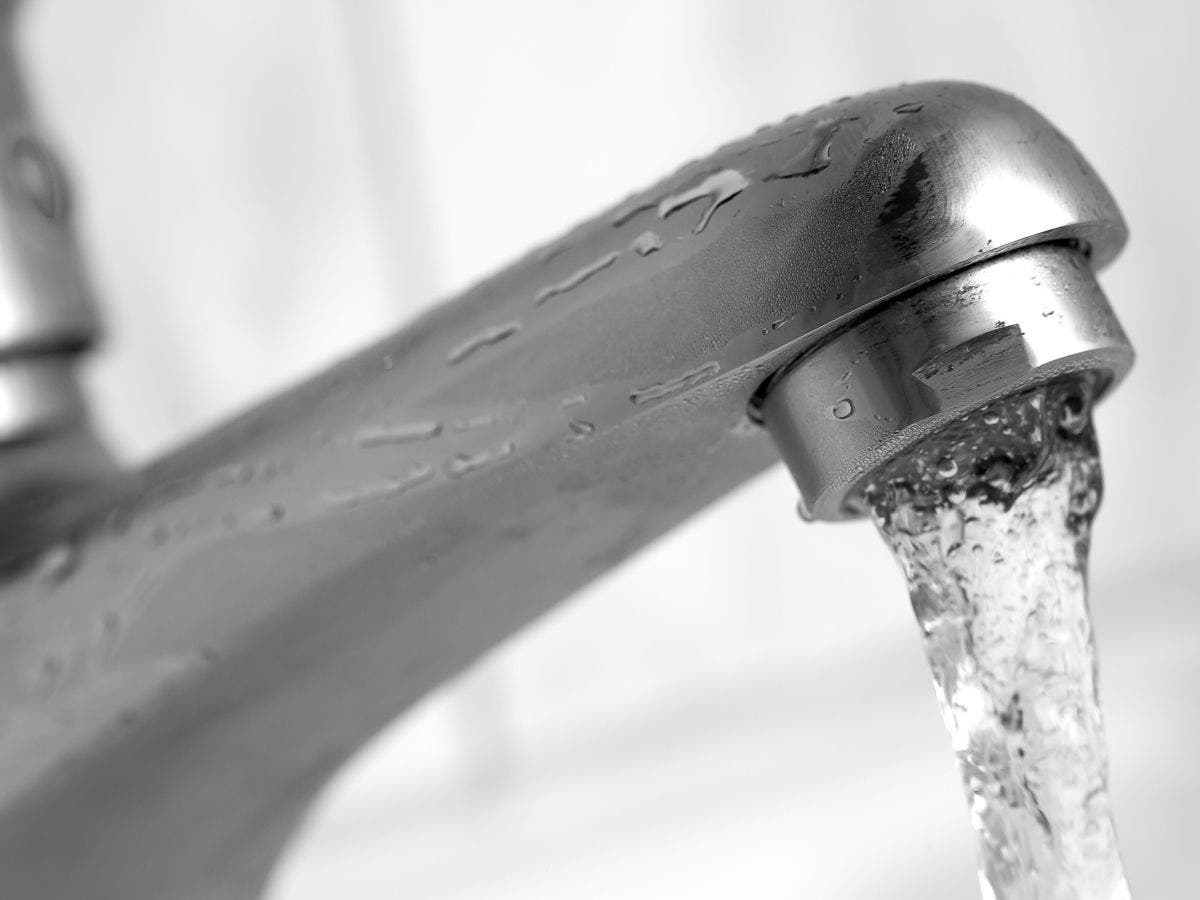
The system said the brass valves attached at the end of a water line are behind the high lead amounts in areas where samples were taken.


Months after it began voluntarily testing the drinking water at its facilities, the Fulton County School System is taking steps to replace what officials believe is behind the problem of high lead levels in samples pulled from various areas.
The latest results were released this week, and the school system found "some issues" with lead amounts exceeding the threshold set by a law enacted in the late 1980's.
“We are working at addressing those issues," said Joseph Clements, executive director of facilities services with the school system.
Find out what's happening in Johns Creekfor free with the latest updates from Patch.
Fulton County schools began testing its drinking water after Atlanta Public Schools received startling results stemming from its own tests. Fulton initially began testing water at schools and buildings built before 1989 and had not received whole plumbing system replacements.
The system chose to test the water using the Environmental Protection Agency's (EPA) action level of 15 parts per billion for public water systems, rather than the recommendation of 20 ppb for local schools.
Find out what's happening in Johns Creekfor free with the latest updates from Patch.
Fulton County later decided to branch out and include all of its facilities after APS saw high levels of lead found at its newer facilities.
Fulton schools have completed testing on all of its schools and most of its administrative buildings. Out of 6,000 samples taken, a total of 170 "issues" were discovered, Clements added.
Several schools have at least one area that came back with lead levels exceeding the 15 ppb. Some schools, such as Barnwell Elementary in Johns Creek, Centennial High School in Roswell and Westlake High School just south of Atlanta, reported multiple areas where samples exceeded the threshold.
- Get the individual results for your schools by clicking here.
Readers should note the EPA and Centers for Disease Control and Prevention both agree that there are no safe, acceptable levels of lead in drinking water.
No particular area of the county or cluster of schools received higher lead results than others.
So what's behind these results? Clements said that the source appears to be brass valves that are attached at the end of a water line at the faucets and spigots. The test involves running the water and allowing it to sit for eight to 18 hours. Those conducting test would collect around 8 ounces of water for sampling.
The samples gathered for testing is the water that was sitting on top of the brass valve overnight, Clements said.
"We are finding it higher in sometimes in kitchens and art room/science rooms sinks, since those tend to be bigger sinks and bigger faucet heads, which have bigger valves," he added.
The problem areas will be taken off line and the system will replace the brass valves with new ones that meet the most recent standards. In areas where this has already happened, Clements said it appears to be "clearing the problem."
The school system is in the process of disseminating the information to parents and stakeholders in the community. System spokesperson Susan Hale said a phone line and an email account have been established to take calls, comments, questions and concerns from parents.
"Really, it’s been very low volume," she said when asked how often the system is receiving calls, noting the total has been less than 15. Those who've called or emailed have merely expressed curiosity about the results, and have asked which classrooms and areas in a school that were tested.
Meanwhile, Clements said the Fulton County School System have been supportive in doing whatever it takes to address the issue. He noted at the most recent school board meeting, an additional $300,000 was approved to cover the cost of water testing.
He added system staff will spend whatever it takes and do whatever is necessary to ensure safe drinking water for students, faculty and staff and others.
Image via Shutterstock
Get more local news delivered straight to your inbox. Sign up for free Patch newsletters and alerts.